INDUSTRY WATCH: Who's Who And What's What In The Defence Sector

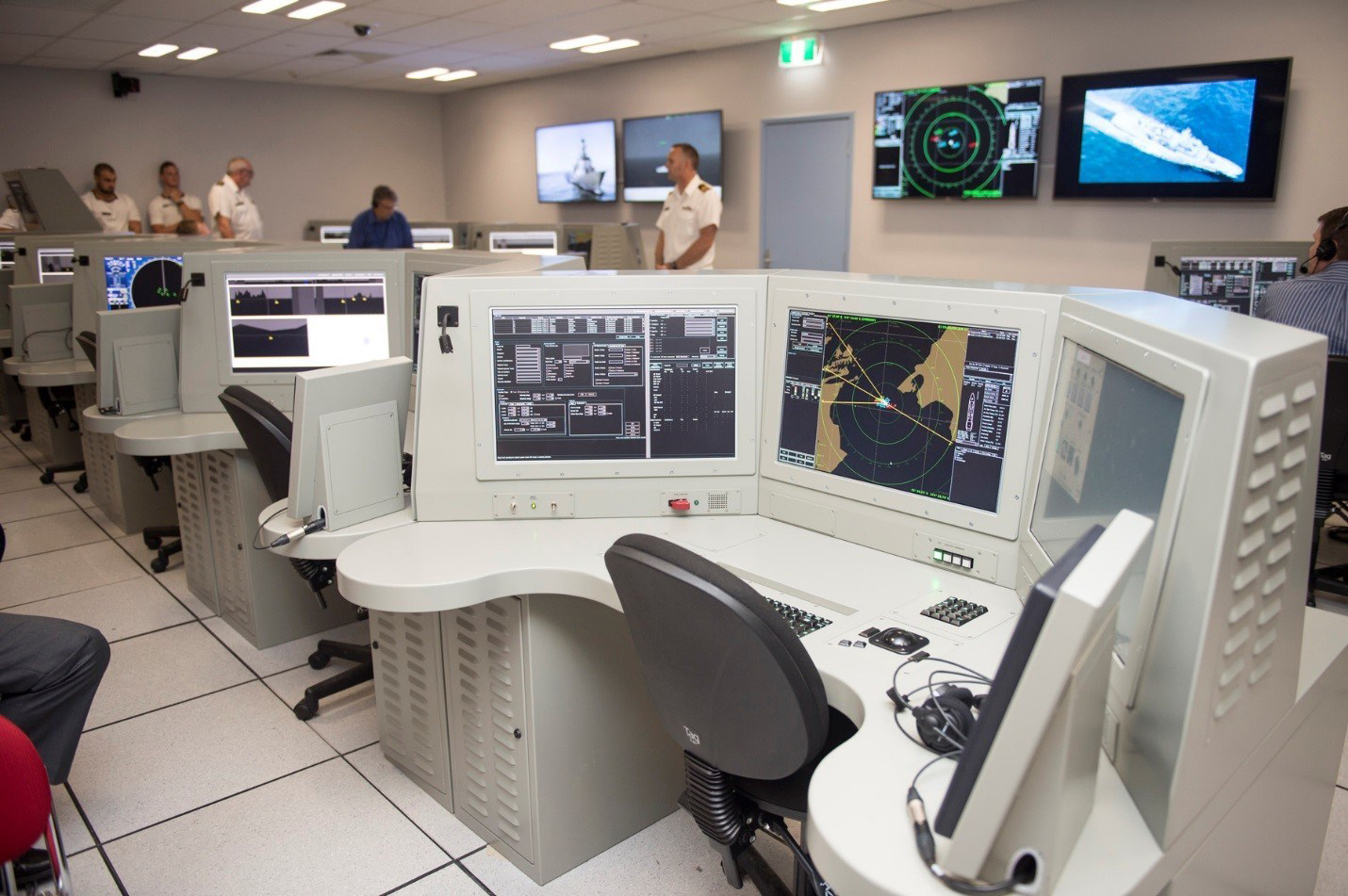
L3 WESCAM’s new mission rehearsal and simulation training solutions product line uses gaming technology. (l3 wescam)

L3 WESCAM’s new mission rehearsal and simulation training solutions product line uses gaming technology. (l3 wescam)

(Volume 24-11)

By David Pugliese

L3 WESCAM introduced its new mission rehearsal and simulation training solutions product line at the Dubai Airshow, November 12–16. The company provided hands-on customer demonstrations of a fully networked solution, including air, ground, maritime and command stations, at the L3 Technologies exhibit. This highly scalable line of training products will enable MX-Series operators and crew members to train independently or as part of a virtual joint-force team using the latest gaming technology at an estimated 70 per cent cost savings over traditional training courses.

The Aerospace Industries Association of Canada (AIAC) named the operations team led by Benoit Beaudoin at Pratt & Whitney Canada as the winner of the 2017 James C. Floyd Award for Aerospace Achievement. The award is in recognition of the important contributions to Canadian aerospace success, both domestically and in the global marketplace.

Jim Quick, president of the AIAC, said the creation of the Mirabel Aerospace Centre and the Advanced Manufacturing Centres are significant achievements and have revolutionized manufacturing innovation and productivity, not only for Pratt & Whitney Canada but for their Canadian aerospace suppliers and partners.

“Mr. Beaudoin and his team have led the development of next-generation advanced manufacturing facilities and processes, making Canadian aerospace more competitive and creating new opportunities for Canadian aerospace employees,” Quick said in a statement.

Beaudoin, vice president of operations at Pratt & Whitney Canada, said innovation is at the heart of his firm. “What we accomplished at the Mirabel Aerospace Centre and the Advanced Manufacturing Centres was truly a collaborative effort, bearing the fingerprints of many members of the aerospace industry; all of whom embraced the challenge of creating a blueprint for the future of Canadian aerospace manufacturing,” he explained.

Established in 2009 in honour of the chief engineer on the Avro Arrow project, the AIAC’s James C. Floyd Award for aerospace achievement is an annual award that honours exceptional contributions to the Canadian aerospace sector.

Viking Air Limited of Victoria, B.C., has sold its second Series 400 Twin Otter to the government of Panama for use by its Servicio Nacional Aeronaval (SENAN) Air Group based in Cocoli, Panama. The aircraft is scheduled for delivery in December.

SENAN is the organization within Panama’s national forces that is responsible for public security through use of naval and air means.

The Viking Series 400 will be equipped with standard wheel gear for its primary role as troop and cargo transport, and will also be configured for medical evacuation to support emergencies as needed, the company noted. The aircraft will be the second Twin Otter to be introduced to SENAN’s operational fleet, and will join the first Viking Series 400 aircraft delivered in December 2016.

Raytheon Missile Systems of Tucson, Arizona, could be providing the RCAF with new missiles. The cost of the purchase is $140-million (U.S.), according to the U.S. State Department which has advised Congress of the Foreign Military Sale.

The procurement includes 32 AIM-120D Advanced Medium-Range Air-to Air Missiles (AMRAAMs), 18 AMRAAM Captive Air Training Missiles (CATMs); four AMRAAM Non-Development Item – Airborne Instrumentation Unit (NDI-AIU); two AMRAAM Instrumented Test Vehicles; seven spare AMRAAM guidance units; and four spare AMRAAM control sections for use on their F/A-18 aircraft. Also included in the sale, according to the State Department, are containers; storage and preservation; transportation; aircrew and maintenance training; training aids and equipment, spares and repair parts; warranties; weapon system support and test equipment; publications and technical documentation; software development, integration, and support; system integration and testing; U.S. Government and contractor engineering, technical, and logistics support; and other related elements of logistics and program support.

The proposed sale is linked to the potential purchase by Canada of “interim” Super Hornets from Boeing.

However, Department of National Defence sources say the missiles can also be used on the CF-18s, which currently are outfitted with another version of the weapons.

“With regards to the AIM-120s, the RCAF currently employ AIM-120 C-5 as part of its medium-range air-to-air missile inventory,” DND spokesman Dan Le Bouthillier added. “The variant mentioned in the Congressional Notice is the variant of the AIM-120 missile currently scheduled to be in production and is designed to be adaptable to multi-platform.‎ If procured, the AIM-120D would be used to best suit the mission‎ requirement.”

Seaspan Corporation has announced that Bing Chen will be joining the company as its chief executive officer and will be appointed to the board of directors in January 2018. Gerry Wang retired as CEO and director of Seaspan in November. Peter Curtis, executive vice president and chief operating officer, is also serving as Seaspan’s interim CEO until Chen’s arrival, after which he will continue in his current role. Over his 25-year career Chen has held executive positions in China, Europe and the United States.

The Royal Canadian Navy will use OSI Maritime’s ECPINS Warship 6.2 on all ships and submarines. ECPINS is a warship electronic chart display and information system, with military capabilities well beyond NATO WECDIS STANAG 4564, according to OSI, a firm headquartered in Burnaby, B.C.

Lockheed Martin and Navantia have signed a renewed memorandum of agreement to collaborate to explore mutually beneficial new business opportunities in the areas of surface ships and naval combat systems.

The two firms have collaborated for 20 years over the provision of the Aegis combat system for the Spanish Navy’s F-100 frigates. Between 2000 and 2010, Lockheed Martin and Navantia delivered four F-100 frigates to the Spanish Navy, and in 2013 a fifth and final was commissioned.

In 2000, the Royal Norwegian Navy selected Navantia to develop and build five Fridtjof Nansen-class frigates, the last one of which launched in 2009. After the Norwegian frigates, the Australian Hobart class was designed, based on the F-100 with an updated Aegis combat system configuration, the first of which was delivered to the Royal Australian Navy in September. Currently, 11 frigates developed by Navantia and Lockheed Martin sail around the globe.

INDUSTRY WATCH: Who's Who And What's What In The Defence Sector

NovAtel’s GPS Anti-Jam Technology (GAJT) is a retrofittable antenna system that nulls jamming signals to ensure satellite signals required will be available. (novatel)

NovAtel’s GPS Anti-Jam Technology (GAJT) is a retrofittable antenna system that nulls jamming signals to ensure satellite signals required will be available. (novatel)

(Volume 24-10)

By David Pugliese

Counter-jamming systems from NovAtel Inc. of Calgary have been selected by the federal government for Canadian Army light armoured vehicles (LAVs).

The federal government has published an Advance Contract Award Notice, which is to inform other suppliers that the NovAtel equipment will be purchased unless there are any firms that can make the same systems.

The Department of National Defence has an initial requirement to buy 52 global positioning system (GPS) anti-jam antennas. The equipment will be outfitted on the LAV Observation Post Vehicle. The initial requirement includes the associated software.

“The GPS Anti-Jam Antenna must be capable of simultaneously nulling up to 6 individual jamming sources and be compatible with the Canadian Army’s inventory of 12,000 Defense Advanced GPS Receiver (DAGR) and LAV OPVs,” the government noted. Up to 50 additional GPS anti-jam antennas could be purchased in the future, it added.

The LAV Observation Post vehicle is expected to operate in forward positions, a situation that would “increase the likelihood that it will come under electronic attack (including GPS jamming) from opposing forces. Lack of anti-jam capability also makes GPS receivers more susceptible to potentially more dangerous spoofing attacks.”

Airbus Defence and Space has received an order for five Airbus A330 Multi-Role Tanker Transports (MRTT) from Europe’s organization for the management of cooperative armament programmes, OCCAR (Organisation for Joint Armament Cooperation). The order is on behalf of NATO Support & Procurement Agency (NSPA) and funded by Germany and Norway. 

It follows the announcement on June 29 of a Memorandum of Understanding under which the two nations would join Netherlands and Luxembourg in the European/NATO Multinational Multi-Role Tanker Transport Fleet (MMF) program.

A contract amendment signed at the OCCAR headquarters in Bonn, Germany adds five aircraft to the two previously ordered by Netherlands and Luxembourg and includes four additional options to enable other nations to join the grouping. It also includes two years of initial support.

The program is funded by the four nations who will have the exclusive right to operate these NATO-owned aircraft in a pooling arrangement. The aircraft will be configured for in-flight refuelling, the transport of passengers and cargo, and medical evacuation flights. 

The first two aircraft have already been ordered to be delivered from Airbus Defence and Space’s tanker conversion line at Getafe, near Madrid, and all seven are expected to be handed over between 2020 and 2022.

More than 3,300 people attended Seaspan’s Vancouver Shipyards’ open house in early October, where they got a first glimpse of the Sir John Franklin, the Canadian Coast Guard’s first Offshore Fisheries Science Vessel (OFSV).(heath moffatt, seaspan)

More than 3,300 people attended Seaspan’s Vancouver Shipyards’ open house in early October, where they got a first glimpse of the Sir John Franklin, the Canadian Coast Guard’s first Offshore Fisheries Science Vessel (OFSV).
(heath moffatt, seaspan)

Rheinmetall will soon be modernizing part of the Bundeswehr’s fleet of Leopard main battle tanks (MBTs), implementing a comprehensive array of upgrade measures, the company has announced.

The upgrade program will bring 104 Leopard 2 tanks up to state-of-the-art design status. The first serially retrofitted Leopard 2 A7V tanks will reach the German Army starting in 2020.
Rheinmetall will be transforming a total of 68 Leopard 2A4, 16 Leopard 2A6 and 20 Leopard 2A7 main battle tanks, bringing them up to A7V standard, the firm noted.

In addition, Rheinmetall will be supplying the new L55A1 gun for the 68 Leopard 2A4 MBTs to be modernized. These tanks will therefore be able to fire the latest generation of armour-piercing ammunition in the upper pressure zone. All 104 Leopard 2A7V tanks will be capable of using Rheinmetall’s new programmable DM11 multipurpose round.

More than 3,300 people attended Seaspan’s Vancouver Shipyards’ open house in early October. During the event, attendees received an up-close look at what Seaspan is calling the “most modern facility of its kind in North America.” They also saw the unveiling of the first vessel to be designed and built under the National Shipbuilding Strategy (NSS) — the Canadian Coast Guard’s first Offshore Fisheries Science Vessel (OFSV), the Sir John Franklin.

 “Today is a historic day for the women and men of Seaspan Shipyards as we deliver on our commitments to the Canadian Coast Guard and Royal Canadian Navy,” Brian Carter, President & CEO – Seaspan Shipyards, told the audience. “In the unveiling of the first Offshore Fisheries Science Vessel, we are affirming our long-term commitment to Canada and our leading role in the growth of a West Coast centre of excellence in shipbuilding and ship repair.”

Saab intends to establish a manufacturing and production centre in the U.S. to handle the Swedish company’s work on the Boeing-Saab T-X trainer aircraft.

Both firms have set a goal of having more than 90 per cent of the T-X design built in the U.S., said Boeing Defence President Leanne Caret and Saab AB President and CEO Haken Buskhe. “Our T-X is designed and purpose-built for the U.S. Air Force training program, for today and for the future. Therefore, the aircraft, including our workshare, should also be manufactured here in the United States,” Buskhe recently told an audience at the U.S. Air Force Association’s annual conference.

QinetiQ Target Systems has received a new order from the Royal Canadian Navy to deliver more than 40 units of Hammerhead unmanned surface vehicle (USV) targets and several payloads. The latest $4.7-million order is part of an existing $35-million framework contract with the Department of National Defence, the firm noted.

The five-year contract was originally awarded in May last year and includes the supply of surface and aerial target systems. Hammerhead targets are equipped with a large variety of threat-emulating payloads and allow ship operators to train against piracy threats by simulating fast inshore attack craft. The targets can be controlled in large swarms in order to adequately replicate a coordinated attack by multiple naval ships.

“The Hammerhead is continually proving to be a cost-effective and high-performing surface target for the RCN and several other customers around the world,” QinetiQ Target Systems Managing Director Peter Longstaff said in a statement.

Héroux-Devtek Inc. has announced an agreement to acquire Compañia Española de Sistemas Aeronauticos, S.A. (“CESA”), a subsidiary of Airbus. The deal is worth $205-million.

“The acquisition of CESA marks a pivotal moment in Héroux-Devtek’s international expansion,” Gilles Labbé, President and Chief Executive Officer of Héroux-Devtek, said in a statement. “This transaction will allow us to increase our presence with Airbus, hence giving us better access to one of the largest aircraft manufacturers in the world.”

Headquartered in Madrid, Spain, CESA is a leading European provider of fluid mechanical and electromechanical systems for the aerospace industry. Its main product lines include landing gear, actuation and hydraulic systems.

INDUSTRY WATCH: Who's Who And What's What In The Defence Sector

The Royal Navy successfully conducted the first test firing of the new Sea Ceptor air defence system from Type 23 frigate HMS Argyll whilst off the coast of Scotland. (mbda)

The Royal Navy successfully conducted the first test firing of the new Sea Ceptor air defence system from Type 23 frigate HMS Argyll whilst off the coast of Scotland. (mbda)

(Volume 24-09)

By David Pugliese

HMS Argyll successfully conducted the first firings of the Sea Ceptor system, an event being heralded as a major milestone for the Royal Navy (RN) as it brings its upgraded Type 23 frigates back into service.

The Sea Ceptor system, which utilizes MBDA’s next-generation Common Anti-air Modular Missile (CAMM), is being fitted to replace the Sea Wolf weapon system on the Type 23 frigates as part of their life-extension program, MBDA noted. Sea Ceptor will provide improved protection for the RN against anti-ship cruise missiles, aircraft and other highly sophisticated threats.

HMS Argyll, commissioned in 1991, is the first Type 23 to undergo the life-extension program, and she will conduct further firing trials of the Sea Ceptor system before returning to front-line service, the company added in a news release.

Designed and manufactured by MBDA in the UK, Sea Ceptor will also protect the RN’s future Type 26 frigates, and the Land Ceptor will replace the Rapier in British Army service.

Dave Armstrong, Executive Group Director Sales and Business Development and Managing Director UK at MBDA, said in a statement that, “Sea Ceptor is the most modern air defence system of its type in the world, and will provide a step-change in capability to the Royal Navy’s Type 23 frigates.”

Traditional air defence systems use semi-active radar guidance, meaning they rely on surface-based fire control radar to illuminate the missile’s target. By using an active radar seeker and datalink on the missile, CAMM does not require the dedicated fire control radar on which a semi-active system depends, MBDA explained. This not only removes cost and weight from the vessel, it makes integration simpler and means that Sea Ceptor can intercept more targets simultaneously, and across 360 degrees — something a semi-active system cannot do.

Kraken Sonar Systems Inc. has been awarded a contract valued at over $425,000 by Atlas Elektronik Canada. Kraken will supply and integrate its AquaPix Miniature Interferometric Synthetic Aperture Sonar and Real-Time SAS Signal Processor on the Atlas SeaCat autonomous underwater vehicle (AUV).

AquaPix is designed for operation on AUVs and towed platforms. The modular system uses the latest electronics, transducer arrays and signal processing software optimized for the demanding size, weight, power and cost constraints of unmanned maritime vehicles, according to the companies.

SeaCat is an approximately three metres in length and 280 kg (depending on configuration) mid-sized, modular, hybrid AUV that provides remotely operated vehicle (ROV) and AUV capabilities “as a truck” to the operating theatre.

Universal Switching Corporation of Burbank, California has been selected by General Dynamics Canada to support the Canadian military’s Mercury Global project. The Mercury Global project is the name given to Canada’s participation in the Wideband Global Satellite (WGS) constellation being built by Boeing. WGS will provide high-capacity, assured and secure satellite access for communications that are vital to the Canadian government and military.

Universal Switching Corporation says it has been selected to supply the critical data distribution for the satellite command and control systems.

Under the contract, General Dynamics Canada is responsible for the construction and installation of seven anchor stations across Canada. General Dynamics C4 Systems Satcom Technologies will manufacture the anchor station antennas, the firms noted.

Honeywell Aerospace in Cambridge, Ont., is laying off employees because of a downturn in the space and satellite industry. Honeywell is not providing any information on the numbers of employees being laid off. Sources, however, told 570 NEWS in Cambridge that over 140 of the 400 employees at the facility were let go.

The facility is the former COM DEV, which has been building satellite components and space equipment for almost 40 years. The Canadian company was purchased in 2016 by the U.S.-based Honeywell.

In a statement the firm said it was realigning its manufacturing and engineering workforces in the U.S. and Canada to “better match current market requirements.”

Department of National Defence employees ramped up their protest against the federal government’s decision to award a long-term maintenance contract to French defence company Thales.

Around 150 members of the Union of National Defence Employees (UNDE) blocked the road leading to the main entrance of CFB Esquimalt, B.C. for about an hour. They were protesting against the Liberal government’s recently announced a $5.2-billion deal to privatize maintenance of the Arctic Offshore Patrol Ships (AOPS) and the Joint Support Ships (JSS).

Subsidiaries of Thales were awarded the contract.

UNDE says the deal is a risk since it could jeopardize national security and could mean a loss of jobs for public servants who now maintain government ships.

John MacLennan, who led the protest on his last day as UNDE president before his retirement, said the union expects the Liberals to try to contract out more federal jobs. He accused the Trudeau government of continuing the privatization agenda started by the previous Conservative government.

Defence Minister Harjit Sajjan has said no public service jobs will be lost because of the privatization of ship maintenance.

United Technologies is buying avionics and aircraft parts manufacturer Rockwell Collins in a deal considered one of the largest in aerospace history. The total sale will cost United Technologies $30-billion U.S.

What’s the reason behind the purchase?

The transaction creates an aircraft-parts giant better positioned to withstand the squeeze from plane makers Boeing and Airbus for pricing discounts and higher output, Bloomberg News reports. It pointed out that the “resulting company will boast a broad suite of products for commercial aircraft, from Rockwell Collins’s touchscreen cockpit displays to jet engines made by the Pratt & Whitney division of United Technologies.”

Pratt & Whitney makes the engine for the F-35, among other aircraft. “This acquisition adds tremendous capabilities to our aerospace businesses and strengthens our complementary offerings of technologically advanced aerospace systems,” UTC Chairman and Chief Executive Officer Greg Hayes said in a statement. “Together, Rockwell Collins and UTC Aerospace Systems will enhance customer value in a rapidly evolving aerospace industry by making aircraft more intelligent and more connected.”

Collins Aerospace Systems will be the name of the new unit, according to United Technologies.

Marine Industrial Lighting Systems Ltd. of Mount Peal, NL, received a contract worth over $1-million to provide naval LED lighting. The new energy-efficient lighting is being tested by DND on Her Majesty’s Canadian Ship Toronto.


CSC Bidding update

Companies will submit their bids for the Canadian Surface Combatant (CSC) by early November, says a top defence procurement official.

Lisa Campbell, Assistant Deputy Minister for Defence and Marine Procurement at Public Services and Procurement Canada, said a final request for proposals (RFP) would be completed by early October and issued to the 12 pre-qualified firms. Companies will have one month after that to put together their bids and submit them.

Evaluation of the bids was originally expected to be finished by the end of 2017, but that has been delayed slightly, Campbell told Esprit de Corps. Instead, bids will be evaluated in early 2018 and the winner is expected to be determined later that year.

“It doesn’t change our target to start construction, which is still in the early 2020s,” Campbell said.

She noted that the procurement process, similar to the one used in the Arctic Offshore Patrol Ship (AOPS) and Fixed Wing Search and Rescue (FWSAR) programs will also be employed for the surface combatants. “When (companies) first submit their bids, if we think there is information missing or they’re not compliant we’ll tell them and we’ll give them a chance to put it in,” Campbell explained. “It maximizes competition. It maximizes the chance for bidders to succeed.”

Six hundred questions from bidders have been answered.

Canada has pre-approved 12 firms to bid on various aspects of the program, which would see Irving Shipbuilding construct a fleet of new ships for the Royal Canadian Navy. The vessels will form the backbone of Canada’s future navy.

Fifteen ships will be built. The cost of the program is almost $62-billion, according to a study released in June by the Parliamentary Budget Officer.

That estimate includes costs resulting from development, production, spare parts, ammunition, training, government program management and upgrades to existing facilities. It does not include costs associated with the operation, maintenance and mid-life refurbishment of the ships, other than the spare parts that will be purchased when the ships are built, the Parliamentary Budget Officer noted.

INDUSTRY WATCH: Who's Who And What's What In The Defence Sector

A USAF “Heritage Flight” at Abbotsford Air Show included (top to bottom) the F-16 Fighting Falcon, P-51 Mustang, F-35, and F-86 Sabre.

A USAF “Heritage Flight” at Abbotsford Air Show included (top to bottom) the F-16 Fighting Falcon, P-51 Mustang, F-35, and F-86 Sabre.

(Volume 24-8)

By David Pugliese

The Abbotsford International Air Show in British Columbia was a fitting backdrop for the ongoing rivalry between the Super Hornet and the F-35 in the quest to provide the Royal Canadian Air Force with a new fighter jet.

Lockheed Martin highlighted its offer to the Liberal government of the F-35 as an “interim” fighter aircraft for the RCAF. The air show featured one F-35 from the Royal Netherlands Air Force on static display. A United States Air Force F-35 flew in the “Heritage Flight” performance that also included the P-51, F-16 and F-86 Sabre.

In addition, the USAF displayed other F-35 elements, such as the sophisticated helmet used by the aircraft’s pilots.

Boeing’s Super Hornet also performed aerial displays at the show, which took place in Abbotsford, BC over the weekend of August 11–13. It was also a crowd pleaser on the ground, with large numbers of individuals standing in line to get a look into the aircraft’s cockpit.

Last year, the Liberal government announced a proposal to buy 18 interim fighter jets from Boeing to deal with a capability gap facing the RCAF’s fleet of fighter aircraft, the CF-18. But that multi-billion-dollar plan to acquire Super Hornet jets has been thrown into limbo after Boeing filed a trade complaint in the U.S. against Bombardier of Quebec.

The Liberal government broke off direct discussions with Boeing on the Super Hornet but they continue talks with the U.S. government on the acquisition of the jets.

 The F-35’s Helmet Mounted Display Systems provide pilots with all the information they need to complete their missions. Airspeed, heading, altitude, targeting information and warnings are projected on the helmet’s visor, rather than on a tradi…

 The F-35’s Helmet Mounted Display Systems provide pilots with all the information they need to complete their missions. Airspeed, heading, altitude, targeting information and warnings are projected on the helmet’s visor, rather than on a traditional display.  

Boeing officials weren’t talking to journalists, preferring to let the process continue and see what the end result will be. However, Boeing representatives have pointed out in the past that the issue with Bombardier is a separate one on the commercial front and should not be linked to its defence capabilities and offerings to Canada. They have also noted that Boeing has had a long history in Canada and contributes around $3-billion U.S. annually to the country’s economy through direct employment at its Winnipeg plant and other facilities, as well as purchase of equipment and services from Canadian firms. In total, Boeing supports more than 17,000 jobs across Canada.

Lockheed Martin has seen opportunity in the dispute to officially offer its F-35 as an interim aircraft to supplement the RCAF’s aging CF-18 jets. Lockheed has long contended the F-35 is more cost effective and more advanced than the Super Hornet.

Lockheed Martin says its F-35 fighter aircraft fleet recently exceeded 100,000 flight hours while the F-35 Integrated Test Force teams are completing the remaining requirements in the program’s System Development and Demonstration phase.

Jack Crisler, vice president of F-35 business development, told Esprit de Corps that the offer of the F-35 as an interim fighter jet was made on June 2. Canada could acquire the jets for $80-million U.S. to $85-million U.S. each, he noted. “We left it up to them to determine,” Crisler said when asked how many jets Lockheed Martin offered to Canada.

Asked about the Lockheed Martin offer, Matthew Luloff, a spokesman with Defence Minister Harjit Sajjan’s office, responded that the federal government continues “to explore many options to provide an interim solution to supplement the CF-18s until the permanent replacement is fully operational.”

“We have not yet made a decision,” he added in an email. “Discussions must demonstrate that the interim fleet is appropriately capable and can be obtained at a cost, schedule, and economic value that are acceptable to Canadians.”

Meanwhile, at the Aerospace, Defence and Security Expo, also held at Abbotsford, Sajjan announced that he expects a request for proposals for the full competition for a jet to replace the CF-18 fleet to be issued next spring. That competition is separate from the interim jet purchase.

The Brazilian Air Force is in the process of receiving the C-295 aircraft from Airbus Defence and Space. This aircraft has a similar configuration to the C-295W that will replace the RCAF’s six CC-115 Buffalos and legacy CC-130H Hercules, the RCAF pointed out in a news release.

Construction began in June for Canada’s C-295W aircraft and first delivery is expected in late 2019, according to the RCAF.

The C-295 crew visiting Canada included members of the Brazilian Air Force undergoing familiarization training, Airbus pilots who are supporting their training, and select members of the Royal Canadian Air Force’s Fixed-Wing Search and Rescue Aircraft Replacement Project Management Office.

The visit, organized in part by Airbus Defence and Space, allowed members of the RCAF’s search and rescue (SAR) teams, including aircrew and maintenance technicians, the chance to see and ask questions about the new aircraft. There was no time, however, to visit 14 Wing Greenwood. Airbus staff was on hand to provide personnel with an update on the progress of the procurement of the C-295W for use in the CAF.

Visitors at the Abbotsford Air Show lined up to get a close-up view of the inside of a USAF Boeing Super Hornet cockpit.(photos courtesy of mark pugliese & david pugliese)

Visitors at the Abbotsford Air Show lined up to get a close-up view of the inside of a USAF Boeing Super Hornet cockpit.
(photos courtesy of mark pugliese
& david pugliese)

Vancouver Shipyards recently announced the appointment of Jim Corr as Vice President – Planning & Estimating in June 2017 after joining the yard in January 2017 as a consultant. In his new role, Corr will be responsible for providing leadership and direction on network planning, detail planning and production control, as well as estimating for new ship construction.

He has over 37 years’ experience in the shipbuilding industry. He joined the company from General Dynamics BIW, where he worked on the U.S. Navy’s DDG-1000 and DDG-51 destroyer programs.

The former HMCS Preserver was transported to Marine Recycling Corporation’s facility in Sydport Industrial Park, Nova Scotia, on August 2 to be dismantled. On June 8, a contract valued at $12.6-million was awarded to Marine Recycling Corporation from Port Colbourne, Ontario, for the disposal of both the Royal Canadian Navy’s former HMCS Preserver and Canadian Forces Auxiliary Vessel Quest.

The Canadian government will purchase 1,148 new C6A1 FLEX general purpose machine guns from Colt Canada.

The current C6 machine guns were procured over 30 years ago. Some have been removed from service due to wear and tear and others are reaching the end of their service life, according to the Canadian military.

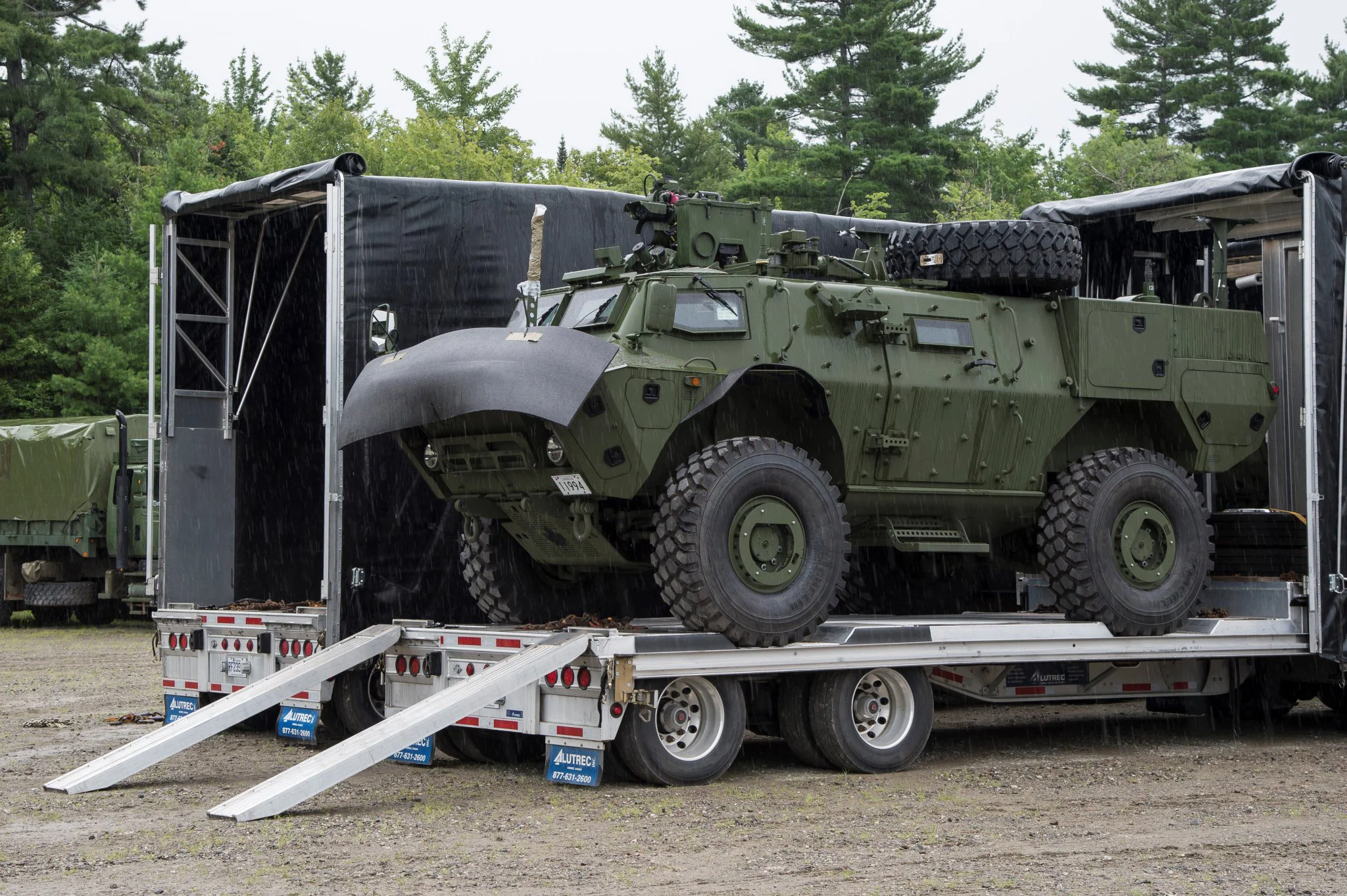
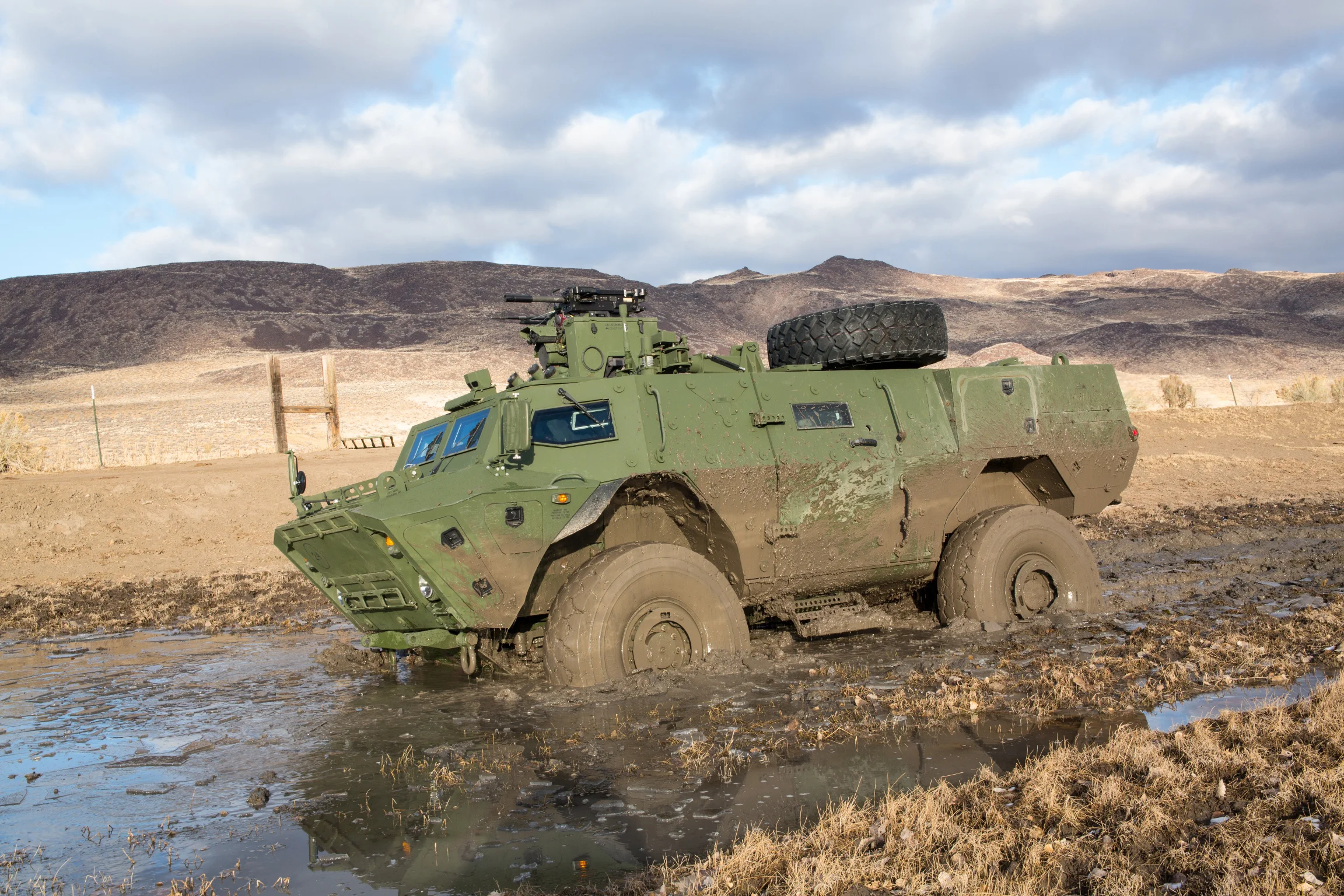
The new C6A1 FLEX (flexible) is designed to be carried by soldiers or attached to vehicles such as the new Tactical Armoured Patrol Vehicle (TAPV) produced by Textron. The new machine gun will feature a durable polymer butt stock instead of the current wooden style, according to the Canadian Forces. Additionally, soldiers will be able to attach pointing devices and optical sighting systems to the new weapon to help increase their operational effectiveness.

First deliveries of the new C6 are anticipated for September 2018 with final deliveries anticipated for June 2019. The value of the contract is $32.1-million (taxes included).

The procurement includes related equipment such as a cleaning and repair kit, spare parts, and sling to carry the weapon.

L-3 MAS, a subsidiary of L3 Technologies, has issued an order for CAE to continue providing a range of in-service support solutions for the Royal Canadian Air Force’s CF-18 aircraft. CAE will provide avionics software upgrades, integrated logistics support and data management services. L-3 MAS has been the prime contractor on the CF-18 in-service support program since 1986, and CAE has been performing systems engineering support services for the CF-18 fleet for over 30 years.

INDUSTRY WATCH: Who's Who and What's What In The Defence Sector

The Airbus A330 Multi-Role Tanker Transport (MRTT) aircraft can be configured for military air transport in addition to providing air-to-air refuelling capabilities. (s. ramadier, airbus)

The Airbus A330 Multi-Role Tanker Transport (MRTT) aircraft can be configured for military air transport in addition to providing air-to-air refuelling capabilities. (s. ramadier, airbus)

(Volume 24-7)

By David Pugliese

Germany and Norway officially joined the European/NATO program to acquire Airbus A330 Multi-Role Tanker Transport (MRTT) aircraft along with Netherlands and Luxembourg. The two nations committed to participating in the project through the recent signing of a Memorandum of Understanding (MoU) at NATO headquarters.

Known as the Multinational Multi-Role Tanker Transport Fleet (MMF), the program was initiated by the European Defence Agency (EDA) in 2012, according to Airbus.

The program is funded by the four nations who will have the exclusive right to use these NATO–owned aircraft, which will operate in a pooling arrangement, the firm noted in a news release.

The aircraft will be configured for in-flight refuelling, transporting passengers and cargo, and medical evacuation flights. The first two aircraft have already been ordered. They will be delivered in 2020 from Airbus Defence and Space’s tanker conversion line at Getafe, near Madrid. Five additional aircraft will now be ordered, and that order will include options for up to four further aircraft, Airbus added.

The U.S. and Canada are negotiating an agreement for the continued provision of maintenance and support services for the Royal Canadian Air Force’s C-17 fleet. That deal will be worth around $195-million U.S. Boeing, which built the C-17 transport aircraft, currently helps maintain those planes for the RCAF. That agreement expires on September 20, according to Public Services and Procurement Canada.

Canada purchases C-17 maintenance and support from the U.S. government through the Foreign Military Sale system. According to the U.S. government, the work will be done at Boeing’s facilities at Long Beach, Calif., and in St. Louis, Missouri. Lockheed Martin will also be involved.

In addition, the U.S. government noted that there are currently 13 employees from Boeing now in Canada who provide C-17 technical support on a regular basis.

Rheinmetall MAN Military Vehicles has entered a framework agreement with the Bundeswehr to supply over 2,200 state-of-the-art trucks. In embarking on this project, Rheinmetall says it will play a leading role in modernizing the German military’s fleet of thousands of logistic vehicles. The agreement is structured to run seven years and the framework contract covers a total of 2,271 HX2 family vehicles. Delivery of the first lot will take place during the 2018–2021 time frame, according to Rheinmetall.

Naval Group (formerly DCNS) reports that it has successfully achieved a European first: the coordinated deployment of three types of drones: underwater, airborne and surface. The deployment was made possible because of the DCNS I4 drones mission system.

The RCAF’s fleet of 14 Cormorant search and rescue helicopters will undergo a modernization program, headed by Leonardo Helicopters and IMP Aerospace.

The RCAF’s fleet of 14 Cormorant search and rescue helicopters will undergo a modernization program, headed by Leonardo Helicopters and IMP Aerospace.

During the June demonstration, it was possible to detect a suspect vessel, which was identified and neutralized in less than 20 minutes, according to Naval Group.

The drones included:

The D19, an underwater drone, for the detection phase.

The IT180 UAV, a rotary-wing drone, for the identification phase.

REMORINA, a naval drone, for the final step of interception and neutralization.

Kraken Sonar Systems Inc. has signed a teaming agreement with ATLAS ELEKTRONIK GmbH.

The objective of the agreement is to combine the expertise and technology of both companies to provide the Royal Canadian Navy with the optimal solution for its Remote Mine Disposal System (RMDS). In addition to the RMDS program, Kraken has teamed with ATLAS to provide military-grade KATFISH towed sonar systems to a leading Asian navy as part of a major mine-countermeasures procurement program, the firm added in a news release.

ATLAS and Kraken officials say they are looking forward to jointly pursuing further opportunities for both the Canadian and global naval defence market.

Dr. Jens Bodo Koch, CEO of ATLAS ELEKTRONIK GmbH, stated: “We are pleased to announce our cooperation with Kraken. By working together both companies can use their experience in sonar systems and maritime technology to meet customers’ demands throughout the international maritime defence market. Our teaming is in alignment with our strategy to embrace new technologies, rapidly deploy smart products, improve platform efficiency and offer cost-effective solutions for our customers.”

Karl Kenny, Kraken’s President and CEO, said, “ATLAS represents the ideal partner for us in the military market. By offering advanced sensor solutions we expect that underwater vehicles will become more affordable and reliable, smarter and more closely aligned with operator needs.”

Carleton University conferred an honorary Doctor of Engineering on Lockheed Martin Canada’s Rosemary Chapdelaine in recognition of her career as an award-winning mechanical engineer and talented international administrative leader. Chapdelaine began her career as a mechanical engineer at IBM’s Federal Systems Division. She currently serves as vice-president and general manager of Lockheed Martin Canada, where she leads a team of 600 employees working across the country. Her program portfolio is valued at over $1.5-billion and her customer base extends around the world, from Canada and the United States to the United Kingdom, New Zealand and Chile, according to Lockheed Martin Canada.

MBDA has developed what is calls NCES (Network-Centric Engagement Solutions). This new network-centric, ground-based air defence architecture is based on the latest real-time data exchange protocols, the firm noted in a news release.

The NCES architecture is suitable for a wide number of organizations, ranging from mobile batteries up to territorial defence systems. It can also easily integrate existing ground-based air defence systems, by means of a gateway converting the data normally exchanged by the battery with the ground-to-air defence tiers above or below it, MBDA pointed out.

Saab’s Gripen E, the next generation of that fighter jet, made its first flight on June 15. That is a major development for the plane. Deliveries are set for 2019.

Sweden and Brazil have purchased the Gripen E. Sixty E models will be acquired by Sweden’s air force, while Brazil is buying 36 jets, including eight of the twin-seat F versions.

Leonardo Helicopters and IMP Aerospace & Defence have added more Canadian industrial partners to its team that plans to pursue the contract to modernize the RCAF’s fleet of Cormorant search and rescue helicopters. CAE, GE Canada and Rockwell Collins in Canada have joined the team. Other key Canadian companies will also be announced in the near future.

INDUSTRY WATCH: Who's Who And What's What In The Defence Sector

The Airbus A330 Multi-Role Tanker Transport (MRTT) aircraft can be configured for military air transport in addition to providing air-to-air refuelling capabilities. (s. ramadier, airbus)

The Airbus A330 Multi-Role Tanker Transport (MRTT) aircraft can be configured for military air transport in addition to providing air-to-air refuelling capabilities. (s. ramadier, airbus)

(Volume 24-7)

By David Pugliese

Germany and Norway officially joined the European/NATO program to acquire Airbus A330 Multi-Role Tanker Transport (MRTT) aircraft along with Netherlands and Luxembourg. The two nations committed to participating in the project through the recent signing of a Memorandum of Understanding (MoU) at NATO headquarters.

Known as the Multinational Multi-Role Tanker Transport Fleet (MMF), the program was initiated by the European Defence Agency (EDA) in 2012, according to Airbus.

The program is funded by the four nations who will have the exclusive right to use these NATO–owned aircraft, which will operate in a pooling arrangement, the firm noted in a news release.

The aircraft will be configured for in-flight refuelling, transporting passengers and cargo, and medical evacuation flights. The first two aircraft have already been ordered. They will be delivered in 2020 from Airbus Defence and Space’s tanker conversion line at Getafe, near Madrid. Five additional aircraft will now be ordered, and that order will include options for up to four further aircraft, Airbus added.

The U.S. and Canada are negotiating an agreement for the continued provision of maintenance and support services for the Royal Canadian Air Force’s C-17 fleet. That deal will be worth around $195-million U.S. Boeing, which built the C-17 transport aircraft, currently helps maintain those planes for the RCAF. That agreement expires on September 20, according to Public Services and Procurement Canada.

Canada purchases C-17 maintenance and support from the U.S. government through the Foreign Military Sale system. According to the U.S. government, the work will be done at Boeing’s facilities at Long Beach, Calif., and in St. Louis, Missouri. Lockheed Martin will also be involved.

In addition, the U.S. government noted that there are currently 13 employees from Boeing now in Canada who provide C-17 technical support on a regular basis.

Rheinmetall MAN Military Vehicles has entered a framework agreement with the Bundeswehr to supply over 2,200 state-of-the-art trucks. In embarking on this project, Rheinmetall says it will play a leading role in modernizing the German military’s fleet of thousands of logistic vehicles. The agreement is structured to run seven years and the framework contract covers a total of 2,271 HX2 family vehicles. Delivery of the first lot will take place during the 2018–2021 time frame, according to Rheinmetall.

Naval Group (formerly DCNS) reports that it has successfully achieved a European first: the coordinated deployment of three types of drones: underwater, airborne and surface. The deployment was made possible because of the DCNS I4 drones mission system.

The RCAF’s fleet of 14 Cormorant search and rescue helicopters will undergo a modernization program, headed by Leonardo Helicopters and IMP Aerospace.

The RCAF’s fleet of 14 Cormorant search and rescue helicopters will undergo a modernization program, headed by Leonardo Helicopters and IMP Aerospace.

During the June demonstration, it was possible to detect a suspect vessel, which was identified and neutralized in less than 20 minutes, according to Naval Group.

The drones included:

The D19, an underwater drone, for the detection phase.

The IT180 UAV, a rotary-wing drone, for the identification phase.

REMORINA, a naval drone, for the final step of interception and neutralization.

Kraken Sonar Systems Inc. has signed a teaming agreement with ATLAS ELEKTRONIK GmbH.

The objective of the agreement is to combine the expertise and technology of both companies to provide the Royal Canadian Navy with the optimal solution for its Remote Mine Disposal System (RMDS). In addition to the RMDS program, Kraken has teamed with ATLAS to provide military-grade KATFISH towed sonar systems to a leading Asian navy as part of a major mine-countermeasures procurement program, the firm added in a news release.

ATLAS and Kraken officials say they are looking forward to jointly pursuing further opportunities for both the Canadian and global naval defence market.

Dr. Jens Bodo Koch, CEO of ATLAS ELEKTRONIK GmbH, stated: “We are pleased to announce our cooperation with Kraken. By working together both companies can use their experience in sonar systems and maritime technology to meet customers’ demands throughout the international maritime defence market. Our teaming is in alignment with our strategy to embrace new technologies, rapidly deploy smart products, improve platform efficiency and offer cost-effective solutions for our customers.”

Karl Kenny, Kraken’s President and CEO, said, “ATLAS represents the ideal partner for us in the military market. By offering advanced sensor solutions we expect that underwater vehicles will become more affordable and reliable, smarter and more closely aligned with operator needs.”

Carleton University conferred an honorary Doctor of Engineering on Lockheed Martin Canada’s Rosemary Chapdelaine in recognition of her career as an award-winning mechanical engineer and talented international administrative leader. Chapdelaine began her career as a mechanical engineer at IBM’s Federal Systems Division. She currently serves as vice-president and general manager of Lockheed Martin Canada, where she leads a team of 600 employees working across the country. Her program portfolio is valued at over $1.5-billion and her customer base extends around the world, from Canada and the United States to the United Kingdom, New Zealand and Chile, according to Lockheed Martin Canada.

MBDA has developed what is calls NCES (Network-Centric Engagement Solutions). This new network-centric, ground-based air defence architecture is based on the latest real-time data exchange protocols, the firm noted in a news release.

The NCES architecture is suitable for a wide number of organizations, ranging from mobile batteries up to territorial defence systems. It can also easily integrate existing ground-based air defence systems, by means of a gateway converting the data normally exchanged by the battery with the ground-to-air defence tiers above or below it, MBDA pointed out.

Saab’s Gripen E, the next generation of that fighter jet, made its first flight on June 15. That is a major development for the plane. Deliveries are set for 2019.

Sweden and Brazil have purchased the Gripen E. Sixty E models will be acquired by Sweden’s air force, while Brazil is buying 36 jets, including eight of the twin-seat F versions.

Leonardo Helicopters and IMP Aerospace & Defence have added more Canadian industrial partners to its team that plans to pursue the contract to modernize the RCAF’s fleet of Cormorant search and rescue helicopters. CAE, GE Canada and Rockwell Collins in Canada have joined the team. Other key Canadian companies will also be announced in the near future.

INDUSTRY WATCH: Who's Who And What's What In The Defence Sector

(Volume 24-06)

By David Pugliese

Above, Kevin McCoy, president of Irving Shipbuilding, and hundreds of employees at the Halifax Shipyard marked the start of production of the first Arctic Offshore Patrol Ship in September 2015. Irving recently announced that delays on the Canadian …

Above, Kevin McCoy, president of Irving Shipbuilding, and hundreds of employees at the Halifax Shipyard marked the start of production of the first Arctic Offshore Patrol Ship in September 2015. Irving recently announced that delays on the Canadian Surface Combatant program’s bids will not delay the start of ship construction. (cnw group, j.d. irving limited)

The Canadian government and Irving Shipbuilding Inc. have informed defence firms about yet another delay on the Canadian Surface Combatant (CSC) program. The government and Irving have extended the submission deadline for the CSC request for proposals.

Bidders had previously complained they didn’t have enough time to recruit Canadian firms for the surface combatant program and warned Public Services and Procurement Canada (PSPC) that their bids would reflect that problem if they were not provided with more time. The deadline was originally June 22. That has now been delayed to at least mid-August, noted a statement from the federal government.

“As per the RFP, bidders can submit draft bids for review until June 15, 2017,” the statement from PSPC pointed out. “These bids will not be scored, and financial information will not be submitted, but bidders will be informed if any part of their submission is non-compliant, so they can make adjustments before submitting a final bid,” the statement noted.

This is the second extension granted through this RFP process. The original deadline was set for April 27, 2017.

With this extension, targeted completion for the procurement process moves to 2018 from fall 2017, according to PSPC. The start of ship construction remains scheduled for the early 2020s, the department added.

Meanwhile, things are moving along on another procurement program. A Royal Canadian Air Force delegation recently conducted a preliminary “anthropometric” examination of the cockpit of the Airbus C295W aircraft, which has been selected for Canada’s Fixed-Wing Search and Rescue (FWSAR) program. The examination at Airbus’s Seville, Spain C295W final assembly line allowed the RCAF to gain more a detailed familiarity with the aircraft’s design and layout from a “human factors” perspective, Airbus officials said. The company demonstrated that RCAF equipment such as flight clothing, helmets and night-vision goggles will integrate with the C295 flight-deck.

Discovery Air Defence Services Inc. announced it had successfully completed its first-ever training with the Austrian Air Force over Wittmund, Germany. Seven Eurofighters from Austria’s 1st Squadron Überwachungsgeschwader (Surveillance Wing) in Zellweger trained against two DA Defence A-4N Skyhawks in air-to-air gunnery, and Eurofighters from the German Luftwaffe’s Tactical Air Force Wing (71 Richthofen) in supersonic intercepts, according to Discovery Air Defence Services. DA Defence’s training qualified the Austrian pilots in air-to-air weapons and tactics.

Leonardo Helicopters and IMP Aerospace & Defence say that they are re-establishing their “Team Cormorant” to pursue the proposed modernization of the Cormorant search and rescue helicopters. Team Cormorant comprises Leonardo Helicopters, the original equipment manufacturer of the EH101/AW101/Cormorant helicopters; IMP, the prime contractor for Cormorant in-service support; and other key Canadian companies who will supply and support critical aircraft components, technology, systems, simulation and training.

The Canadian government has awarded two maintenance contracts to KF Aerospace of British Columbia. The first contract, valued at $21.8-million, is for the maintenance of the Royal Canadian Air Force’s CC-115 Buffalo search and rescue aircraft for a period of three years. That contract includes the option to extend the contract for an additional year. Canada has six Buffalos based in Comox, BC.

Two Discovery Air Defence jet aircraft bank away from each other during a flight training exercise. Discovery Air Defence recently completed its first-ever training with the Austrian Air Force over Wittmund, Germany, which saw two of its A-4N Skyhaw…

Two Discovery Air Defence jet aircraft bank away from each other during a flight training exercise. Discovery Air Defence recently completed its first-ever training with the Austrian Air Force over Wittmund, Germany, which saw two of its A-4N Skyhawks train in air-to-air gunnery against seven Austrian Eurofighters. (stefan petersen)

The second contract, valued at $9.6-million, is for maintenance work on the RCAF’s CC-138 Twin Otter aircraft for a period of four years. It includes the possibility of four additional one-year extensions. Canada’s four Twin Otters are based in Yellowknife, Northwest Territories. “The work for both contracts will include ongoing life-cycle management, inspection repair, painting and modifications as well as the supply of high-priority spare parts, for the duration of the contracts,” the federal government noted in a news release.

Rockwell Collins rolled out a variety of military communications systems to highlight at CANSEC 2017. It also announced that the Canadian Army had selected its joint fires solution for its Digitally-Assisted Close Air Support (DACAS) system. That would digitally link airborne platforms and ground-based Joint Terminal Attack Controllers (JTACs) via an Android smartphone. 
Under the contract, Rockwell Collins will produce and service 100 Android-based joint-fires systems with the potential for follow-on options. Rockwell Collins will qualify the initial systems by the summer of 2017 for the Canadian Army’s use on the multinational BOLD QUEST exercise in the fall, the company noted. The agreement also includes in-country service and support from Rockwell Collins in Canada for up to 10 years.
“Migrating away from hardware solutions to commercial off-the-shelf technology drives down cost and provides user-friendly and updatable platforms,” Lee Obst, managing director, Rockwell Collins for Canada, said in a statement. “The Android joint-fires solution is a great example of leveraging cutting-edge technology for military purposes.” 
Based upon the most widely used joint-fires system in the world, the wearable Android-based joint-fires solution delivers a lightweight and user-friendly solution while maintaining full digital interoperability with a wide range of coalition aircraft and artillery systems, Rockwell Collins added in a news release.
System development will be based in Richardson, Texas, while Rockwell Collins Canada will directly provide support to the Canadian Army. 

Lockheed Martin Canada will provide and install new combat management systems for three of the Chilean Navy’s frigates. The majority of the work will be done at Lockheed Martin Canada’s facilities in Ottawa, Montreal and Halifax. The combat management systems and other equipment will be installed on Chile’s Type 23 frigates.

Lockheed Martin Canada is not releasing details about the value of the contract.

Lockheed Martin’s Combat Management System 330 was chosen by Chile after a world-wide competition. A similar system is in use on the Royal Canadian Navy’s Halifax-class frigates.

“We are thrilled with this award and look forward to working with the Chilean Navy and ASMAR, the Chilean shipyard, as well as forging long-term relationships with Chilean partners to deliver new capability to the Armada de Chile,” Rosemary Chapdelaine, vice president for Lockheed Martin Canada Rotary and Mission Systems, said in a statement.

Work has already started in Canada on the systems. The work to be done eventually in Chile will focus on integrating the systems on the ships and testing them.  In 2014, Lockheed Martin Canada signed a contract to conduct similar modernization work on two of the Royal New Zealand Navy’s frigates. Installation of those systems is expected to take place sometime later this year or early next year in Victoria, BC.

The Kongsberg Maritime camera systems group from the UK will be supplying large network Internet Protocol closed-circuit television system for Project Resolve, the interim supply ship for the Royal Canadian Navy. The system has been delivered to Chantier Davie in Levis, Quebec.

INDUSTRY WATCH: Who's Who And What's What In The Defence Sector

Federal Fleet Services is in the final stages of converting a European-built containership into an auxiliary oiler replenishment (AOR) ship for the Royal Canadian Navy. According to Project Resolve, the ship will be able to assist with humanitarian …

Federal Fleet Services is in the final stages of converting a European-built containership into an auxiliary oiler replenishment (AOR) ship for the Royal Canadian Navy. According to Project Resolve, the ship will be able to assist with humanitarian assistance and disaster relief (HADR) in addition to performing replenishment at sea for task groups.  (cnw group, davie shipbuilding)

(Volume 24-5)

By David Pugliese

Davie Shipbuilding says that its Resolve-class auxiliary oiler replenishment (AOR) vessel is heading into its final stages. The company announced May 1 that the “accommodation block” for the ship had arrived. The accommodation module was built in Europe by Almaco.

“While 85 per cent of the entire project was completed in Canada, the approximately 15 per cent we outsourced to Finland was in an area where Canada is no longer at the cutting edge and that is in marine accommodation outfitting,” explained Spencer Fraser, CEO of Federal Fleet Services. “Through the partnership with Almaco, there is a technology transfer which will result in the development of a new production line at Davie dedicated to the fabrication of pre-outfitted accommodation modules for future programs.”

Alex Vicefield, chairman of Davie Shipbuilding added, “This is not just about allowing us to meet the fast-track schedule to deliver Canada an urgently-needed naval supply ship. This is about developing a new set of skills which doesn’t currently exist in the Canadian shipbuilding industry.”

He noted the project is a demonstration of how shipbuilding programs can be delivered rapidly and at a significantly lower cost by building ship sections at different sites for assembly at a central location.

The conversion of the commercial vessel Asterix into a Resolve-class AOR involved stripping the modern vessel down to its bare hull and main propulsion system and then rebuilding the entire ship to military specifications, Davie noted. The conversion was designed and engineered in Canada and incorporates Canadian naval technology such as an Integrated Navigation and Tactical Bridge System from OSI in Vancouver, a STREAM-type replenishment-at-sea system from Hepburn Engineering in Ontario, and an entire Integrated Platform Management System from L3 MAPPS in Montreal, Davie said.

Pratt & Whitney Canada (P&WC) celebrated the production of its 100,000th engine in May. The firm noted the milestone is a testament its longevity and leadership in the global aerospace market. P&WC, a subsidiary of United Technologies Corp., has 60,000 in-service engines operated by 12,300 customers in more than 200 countries and territories worldwide. The firm pointed out that its engine families span across general aviation, regional turboprops, business aviation, civil helicopters and auxiliary power units and total 730 million flight hours logged.

Pratt & Whitney Canada’s reach is so extensive that every second a P&WC-powered aircraft takes off or lands somewhere on the planet

Lockheed Martin Canada has been shortlisted by the Finnish Defence Forces (FDF) to compete for the role of Combat Systems Contractor for the Finnish Navy’s new corvette program, known as Squadron 2020. Four ice-capable Squadron 2020 vessels are being designed to replace the Finnish Rauma-class fast-attack missile boats and Hämeenmaa-class minelayers which will reach the end of their life-cycle by the mid-2020s.

In December 2016, the FDF issued a qualification solicitation to 12 international combat system integration companies. The FDF has now shortlisted three companies to move forward over the next year in a competition. The selected Combat Systems Contractor will work with the native shipyard, Rauma Marine Constructions, to deliver the new ships.

“This is a fantastic testament to our Canadian-developed CMS 330 and integration capability — further validation of our world-leading offer in the international naval systems market,” Rosemary Chapdelaine, vice president and general manager of Lockheed Martin Canada RMS (Rotary and Missions Systems), said in a statement. “Work on this program would be performed in our Kanata, Montreal, and Halifax locations; including manufacturing of the combat management system hardware in our production facility in Ottawa as well as software and systems development, integrated systems testing and trials in our Montreal and Halifax facilities,” she added.

DCNS delivered the FREMM multi-mission frigate Auvergne to the French Navy, as stipulated in the contract, on April 11. “The delivery of the FREMM Auvergne represents an opportunity to applaud the industrial and technological prowess of DCNS and its subcontractors. The frigate Auvergne illustrates our capacity to produce and deliver on time a series of front-line combat vessels to satisfy the needs of our client navies,” Nicolas Gaspard, director of the FREMM program at DCNS, said in a statement. On completion, the FREMM program will represent the construction of 10 vessels on the DCNS Lorient site, of which eight are for the French Navy. Six FREMM are to be delivered to the French Navy before the end of 2019.

DCNS is currently completing the FREMM Bretagne, which was floated on September 16, 2016, and is pursuing the assembly of the FREMM Normandie. Work has already started on the ninth FREMM in the series, the Alsace, which will be one of the two FREMMs with strengthened anti-aircraft capacities, whose deliveries are scheduled before 2022.

Davie Shipbuilding is once again highlighting its Project Resolute — a plan to provide Canada with the world’s four most powerful, privately-owned multi-role icebreakers at what it says is a fraction of the cost of building from scratch. The firm is promoting their design as an affordable and timely solution to meet the Canadian Coast Guard capability shortages.

Project Resolute was developed as part of an official solicitation from the government of Canada seeking solutions to meet our country’s icebreaking and oil-spill response capability requirements.

Rheinmetall AG announced it has won two important first orders for protecting sensitive government infrastructure from aerial drones. In Switzerland, the central prison in Lenzburg and the inter-cantonal penitentiary in Bostadel have contracted with the Düsseldorf-based high-tech group to install drone detection equipment known as the Radshield System.

Consisting of an array of video cameras, infrared sensors and radars, these sophisticated surveillance systems will monitor the grounds and airspace of these facilities day and night, detecting any flying object — not just drones but also model airplanes and balloons, Rheinmetall noted in a news release.

“Due to go into operation soon, these systems will make a significant contribution to countering attempts to smuggle in contraband such as weapons, drugs, tools and mobile phones,” the firm added.

In addition, the system can also detect objects thrown over walls and fences, even when they measure only a few centimetres in diameter.

Drone intrusions are on the rise around the world and in recent years there has been an upsurge in the use of remotely controlled aerial drones to fly contraband into prisons, the company added.

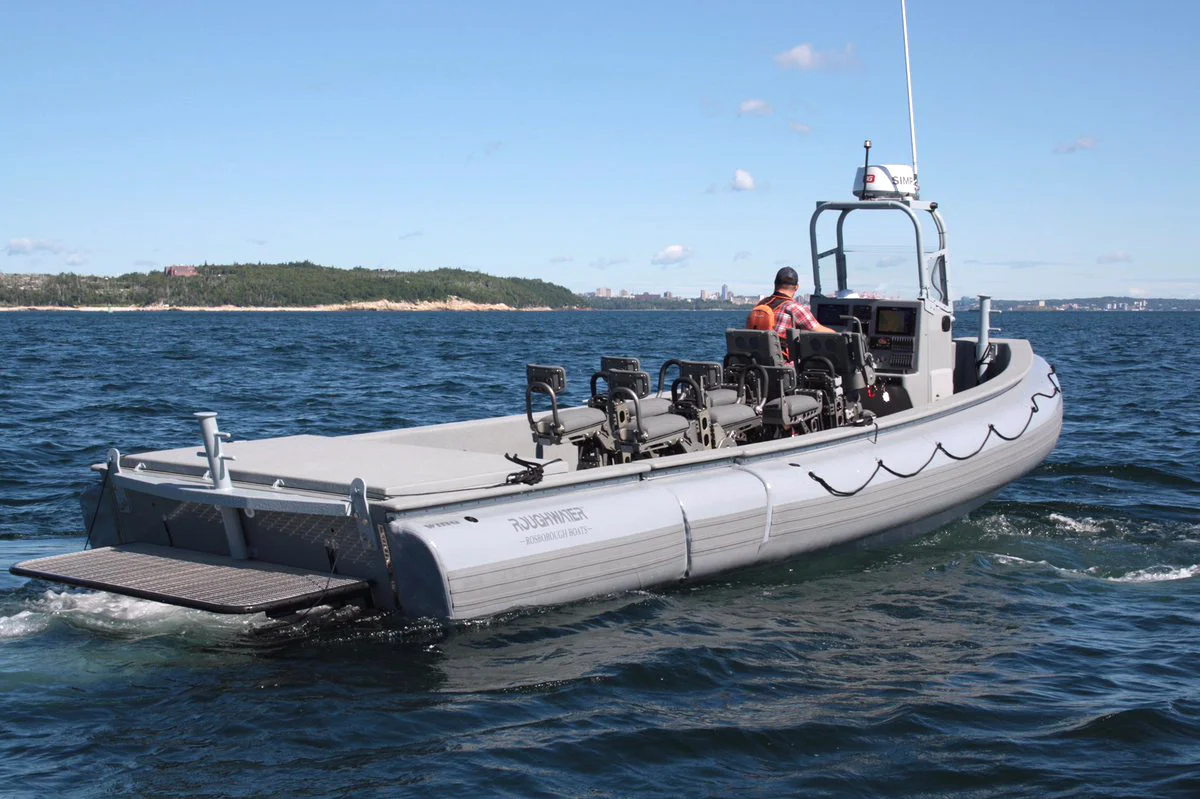
Rosborough Boats of Nova Scotia will build 12 multi-role rigid hull rescue boats, two for each of the Arctic Offshore Patrol Ships (AOPS) Irving Shipyard is building for the Royal Canadian Navy. (rosborough)

Rosborough Boats of Nova Scotia will build 12 multi-role rigid hull rescue boats, two for each of the Arctic Offshore Patrol Ships (AOPS) Irving Shipyard is building for the Royal Canadian Navy. (rosborough)

Irving Shipbuilding Inc. has awarded Nova Scotia boat builder Rosborough Boats a $7.3-million contract to provide Multi-Role Rescue Boats for the Arctic Offshore Patrol Ships (AOPS).

Rosborough Boats will construct two of their Rough Water 8.5-metre rigid hull inflatable boats (RHIB) for each of the six AOPS vessels being constructed at Irving Shipbuilding’s Halifax Shipyard.

ADGA Group received a recent contract to provide expertise to DND with the implementation of SSC Telecommunication and Network Transformation across the Defence department and Canadian military.

Jean-Pierre Lachance, president of ADGA Group, said the firm is “proud to provide professional services to assist the transition of DND/CAF employees to Voice over Internet Protocol (VoIP) telephony.”

L3 WESCAM has joined forces with Taqnia Defense and Security Technology Co. (DST). In February the two companies signed a long-term service centre agreement to open a WESCAM Authorized Service Center (WASC) in Riyadh, Kingdom of Saudi Arabia.

DST is wholly owned by Saudi Development and Investment Technology Company (Taqnia), which is 100 per cent owned by the Saudi Arabian Public Investment Fund (PIF). DST’s objectives are to establish, develop, produce, and transfer defence and security technologies in cooperation with strategic international and national partners.

INDUSTRY WATCH: Who's Who And What's What In The Defence Sector

Lockheed Martin Canada’s Combat System Trainer was delivered to the Maritime Warfare Training Centre at the Royal New Zealand Navy base in Devonport, New Zealand. The simulator is part of the RNZN’s Frigate System Upgrade Project. (lockheed martin c…

Lockheed Martin Canada’s Combat System Trainer was delivered to the Maritime Warfare Training Centre at the Royal New Zealand Navy base in Devonport, New Zealand. The simulator is part of the RNZN’s Frigate System Upgrade Project. (lockheed martin canada)

(Volume 24-4)

By David Pugliese

Officials with Lockheed Martin Canada and New Zealand’s Chief of Navy Rear Admiral John Martin officially opened the New Zealand ANZAC combat system trainer.

The trainer was Lockheed Martin Canada’s first major delivery under the New Zealand ANZAC Frigate System Upgrade Project. Lockheed Martin Canada is the prime systems integrator.

The combat system trainer was delivered ahead of schedule to the Maritime Warfare Training Centre at the Royal New Zealand Navy base in Devonport on February 16, 2017, according to Lockheed Martin.

“It is wonderful to receive the trainer early, which will allow our sailors to be properly prepared when the upgraded ships arrive,” RAdm Martin said in a statement. “Lockheed Martin Canada’s combat system trainer is a world-class trainer that will revolutionize the way we train our crews.”

“The ANZAC combat system trainer provides a generational shift in training capability with a realistic synthetic environment capable of generating high fidelity simulations of real world conditions,” added Rosemary Chapdelaine, vice president and general manager of Lockheed Martin Canada Rotary and Mission Systems. “We are proud of our Canadian-developed solution and thrilled to deliver this advanced capability to the Royal New Zealand Navy.”

This milestone marks the first international delivery of Lockheed Martin Canada’s combat management system, the CMS 330 product line, initially developed for Canada’s Department of National Defence and then modified for the Royal New Zealand Navy with Canada’s support, according to the firm.

The CMS 330 and Lockheed Martin Canada’s combat system integration capability are proving performance everyday on Canada’s modernized Halifax-class frigates, it added in a news release.

Lockheed Martin Canada noted in the same news release that it is the only Canadian company to pre-qualify as a combat systems integrator for the upcoming Canadian Surface Combatant (CSC) program. The company was also selected as the command and surveillance integrator for Canada’s new fleet of Arctic/Offshore Patrol Ships (AOPS).

Commissionaires has ranked among the top employers in Canada, according to Forbes’ list of Canada’s Best Employers of 2017.

Commissionaires ranked second in the industry sector and placed in the top half of the 300 employers, outranking other Canadian security services providers by a wide margin.

“We work very hard to provide a great working environment and stable employment across Canada,” Bruce Belliveau, Chair of the Commissionaires National Business Management Committee and CEO of Commissionaires Nova Scotia, said in a statement. “Commissionaires is honoured to, once again, be recognized as one of Canada’s top employers and the highest ranked security company.”

Forbes partnered with online statistics provider Statista to survey more than 8,000 Canadian workers. The resulting list includes 300 employers across 25 industries. The workers surveyed were asked to identify, on a scale of zero to 10, how likely they were to recommend their employer to someone else and what they thought about the other employers in their industry.

There have been more new leadership announcements at Seaspan in Vancouver. Steve Roth has been promoted to President of Seaspan Ferries Corporation (SFC). Paul Thomas has been promoted to Senior Vice President and General Manager – Vancouver Shipyards. John Petticrew is promoted to Vice President, Engineering. Andy Hale has been promoted to the position of Vice President – Program Delivery. John Lyle has been hired as Vice President – Operations.

Frasca International of Urbana, Illinois announced it sold a Level 7 Flight Training Device (FTD) for the Bell CH-139 Jet Ranger helicopter for use by the Royal Canadian Air Force.

The training device was ordered by Bluedrop Training & Simulation Inc. of Halifax, Nova Scotia. That firm is involved in the Contracted Flying Training and Support (CFTS) program at Portage la Prairie, Manitoba.

The new FTD will include Frasca’s 6 Degree of Freedom (6 DoF) Motion Cueing System (FMCS) optimized for helicopter simulation and will integrate a FlightSafety VITAL 1100 visual image generation system with a Frasca 220° x 67° field of view visual display, according to a news release from Frasca.

All RCAF pilots receive their primary fixed-wing aircraft training at Southport and those selected to fly helicopters return to the school for the six-month Phase III helicopter program that utilizes 13 Bell CH-139 (B206B3) Jet Ranger and nine Bell 412CF (B412CF) Outlaw helicopters. 

Conservative budget cuts to the RCN resulted in the CFAV Quest, the last oceanographic research ship used by the RCN and Defence Research and Development Canada, to be permanently docked in Halifax since February 2014. The vessel will now be scrappe…

Conservative budget cuts to the RCN resulted in the CFAV Quest, the last oceanographic research ship used by the RCN and Defence Research and Development Canada, to be permanently docked in Halifax since February 2014. The vessel will now be scrapped.

The Frasca FTD is scheduled to be installed by Bluedrop by March 2018 and be ready for training in April 2018, according to Frasca. The Jet Ranger FTD will have the capability to allow pilots to safely practice realistic helicopter emergencies in a variety of regions and weather conditions and prepare pilots for winter “white out” conditions in blowing snow. The availability of the FTD will also allow RCAF helicopter flight training to continue when the helicopter fleet is grounded by bad weather, and its advanced technology system will ultimately allow the RCAF to compress helicopter training timelines, if desired.

Public Services and Procurement Canada has put out a request for bids from industry for the disposal of the former HMCS Preserver and the former Canadian Forces Auxiliary Vessel (CFAV) Quest, an oceanographic research and acoustic ship used by the Canadian Armed Forces for almost 50 years.

The winning contractor will be required to prepare the ships for disposal, remove any equipment for museums, demilitarize controlled goods on board, and then break the vessels up.

Work on the former HMCS Preserver must begin when the contact is awarded and be completed within 18 months. The former CFAV Quest will be provided to the winning bidder on September 1 and must be dismantled within 18 months. The contractor will also have to remove both vessels from the Halifax dockyard jetty.

INDUSTRY WATCH: Who's who and What's what in the defence sector

industry - john-turner Associate DM .jpg

(John Turner served as associate deputy minister (ADM) of National Defence from February 2015 until March 17, 2017. Prior to this, he was ADM Material at DND. According to the DND website, the ADM is responsible for files related to procurement, information management and technology, defence renewal, search and rescue, and other files as may be assigned by the deputy minister. Two weeks after leaving DND, Turner began work as vice president of operations at PAL Aerospace. (dnd))

(Volume 24-03)

By David Pugliese

Canada’s defence and aerospace industry was all abuzz about the recent news that John Turner, the Department of National Defence’s Associate Deputy Minister, had taken a job with PAL Aerospace.

Turner had previously been the Assistant Deputy Minister for Materiel serving in that position from 2012 to 2015.

PAL Aerospace is a key partner in the Airbus consortium that on December 8 was awarded the contract to provide the Royal Canadian Air Force with 16 new fixed-wing search-and-rescue (FWSAR) planes.

The initial contract, including in-service support (ISS) provided by PAL, is worth $2.4-billion. But eventually that price tag could climb to $4.7-billion as long-term support, to be provided by PAL, is factored in to the deal, the federal government has noted.

Turner left his job at the DND on March 17 and reported for work at PAL on April 3 as vice president of operations.

Steve Dinn, PAL’s vice president, said in a statement that the company is looking forward to Turner’s arrival at the firm in St. John’s, Newfoundland and Labrador. “PAL Aerospace is excited that John Turner will be joining our team in St. John’s, Newfoundland and Labrador as our Vice President of Operations,” Dinn noted. “We look forward to John’s leadership as we continue our focus on export and international growth opportunities.”

Department of National Defence spokesman Daniel Le Bouthillier said the office of Ethics Commissioner Mary Dawson confirmed the Conflict of Interest Act doesn’t prevent Turner from taking the new job.

“The Department of National Defence has no concerns with Mr. Turner’s upcoming employment,” said Le Bouthillier. “We are satisfied that all appropriate steps were taken prior to accepting the position and we wish him nothing but the best in his future endeavours.”

Le Bouthillier said Turner followed all guidelines under the Conflict of Interest Act, which included disclosing the job offer to the commissioner. “It is worth noting Public Services and Procurement Canada oversees the bid evaluation of the process, and that PAL worked with Airbus directly, not with the Government of Canada, on FWSAR,” he stated. “Consequently, as Associate Deputy Minister at DND, Mr. Turner did not have any role in the evaluation that led to the selection of the Airbus DS proposal.”

Le Bouthillier noted it was Airbus, not the Canadian government, which selected PAL as its partner to service the new planes.

Rolls-Royce Naval Marine Canada announced that it is expanding its supply chain to meet the significant opportunities created by the recently initiated Canadian Surface Combatant (CSC) program.

Rolls-Royce Naval Marine Canada and its partners already produce complex naval handling systems that are in use around the world, the company noted. The firm was the first to provide an integrated complex Mission Bay Handling System into a Major Combatant Program when it was chosen for the UK’s Type 26 frigate.

In 2017, Rolls-Royce is also celebrating its 70th year in Canada. The firm employs approximately 1,200 people in six provinces across Canada, undertaking both high technology manufacturing and sustainment activities for the company’s civil and defence aerospace, marine (commercial and naval) and nuclear businesses.

The Canadian Army says its artillery gunners have run successful live fire tests on a new device designed to protect global positioning systems (GPSs) from jamming. The tests of the GPS Anti-Jam Technology (GAJT), created by NovAtel Inc. of Calgary, were conducted in late October at CFB Shilo.

The Army’s M777 howitzers use three GPS-based systems, the service noted. The NovAtel equipment — known as GAJT (pronounced gadget) — was tested to see if it could prevent jamming devices from interfering with those M777 GPS systems.

The Army had acquired 10 GAJTs, a commercial off-the-shelf (COTS) product, which comes in versions suitable for land, sea, fixed installations and smaller platforms such as UAVs, NovAtel noted.

The Canadian government announced February 3 that it awarded a contract of $45-million to StandardAero, of Winnipeg, Manitoba for the maintenance of T56 engines for Canada’s CP-140 Auroras and CC-130H Hercules aircraft. The maintenance contracts are for an initial period of four years and three months. Services will include repair and overhaul of the aircraft engines, the management, coordination and integration of materials and information, as well as engineering work and the management of technical publications.

L3 Technologies has announced that it has appointed Richard Foster as corporate vice president of Canada Operations. Based in Ottawa, Foster will be responsible for overseeing all of L3’s Canadian business and coordinating with the business development team to broaden L3 Canada’s customer base, the firm noted in a news release. Foster will report to David M. Van Buren, L3’s senior vice president of Program Development.

“Canada is a core international market for L3, and we are focused on pursuing new opportunities in that area,” Michael T. Strianese, L3’s chairman and chief executive officer, said in a statement. “We look forward to Rich’s contributions toward expanding L3 Canada’s scope of business. His extensive military experience and work with foreign governments are particularly well-suited to delivering L3’s broad portfolio of readiness, upgrade, sensor and modernization technologies and services to allied countries across the globe.”

Foster joins L3 Canada following a distinguished 35-year career in the Canadian Armed Forces, where he achieved the rank of major-general. His more recent duties as deputy commander of the Royal Canadian Air Force and as deputy commander of the Canadian Joint Operations Command (CJOC) will be an asset to L3 Technologies in Canada and abroad, the firm noted.

Seaspan announced that its long-serving chief executive officer, Jonathan Whitworth, will be retiring at the end of 2017.

Whitworth briefed the company’s board in 2016 on his timeline to retirement. A search for his successor immediately commenced and Seaspan also announced that Frank Butzelaar, president and CEO of a related company, Southern Rail Link (SRY), has been identified as Whitworth’s permanent replacement. That appointment takes effect April 3.

Due to the magnitude and specialization of the National Shipbuilding Strategy’s non-combat vessel contracts, Brian Carter, president of Seaspan Shipyards, will continue to report to Whitworth until year-end and then will report directly to the board of directors, according to a news release issued by Seaspan.

“A dynamic, passionate and visionary leader, Jonathan played an instrumental role in transforming the organization under his direction since his arrival in 2009,” the firm noted. “He took a highly innovative approach to revitalizing Seaspan, a 130-year-old company, by focusing on preserving the core of its historical successes while stimulating growth.”

INDUSTRY WATCH: Who's Who And What's What In The Defence Sector

An aerial view of Weatherhaven’s tactical tent-based shelter systems. On February 8, 2017 it was announced that the Coquitlam-based company won two contracts for tactical tent-based shelter systems. Weatherhaven uses a combination of fabric and expa…

An aerial view of Weatherhaven’s tactical tent-based shelter systems. On February 8, 2017 it was announced that the Coquitlam-based company won two contracts for tactical tent-based shelter systems. Weatherhaven uses a combination of fabric and expandable container technology to build portable shelters and camp systems. These new modular systems will replace the Canadian military’s 1970s-era shelters. (weatherhaven)

(Volume 24-02)

By David Pugliese

The Canadian government announced February 8 that two contracts were awarded to Weatherhaven Global Resources Ltd., of Coquitlam, British Columbia for the acquisition of new tactical tent-based shelter systems.

The total value of both contracts is approximately $168-million. The first contract involves the acquisition and delivery of 1,435 shelter systems, and the second contract is for maintenance and support services for the first five years.

The contracts also include options to procure an additional 338 shelters, and to extend the maintenance and support services by four additional five-year options, according to a news release issued by the Canadian government.

The Headquarters Shelter Systems will replace up to 80 per cent of the Canadian military’s Tent Expandable Modular System structures, which were initially designed and purchased in the 1970s. The remaining equipment will be used for accommodation purposes or to support other unit tasks, the government noted. The new tent-based shelter systems have a flexible configuration that can be used for everything from headquarters or command posts, to accommodations and medical facilities, it added.

DRS Technologies Canada Ltd. has announced that Martin Munro has been named as Vice President and General Manager of its operations in Canada. Munro replaces Steve Zuber, who retired at the end of 2016.

Munro has been with DRS since January 2016 and served as its Vice President for Business Development and Strategy prior to being named to this position, the company noted in a news release.

During his time in that role, Munro led several successful government and commercial captures for the company, DRS added. “His leadership has helped position the company as a recognized leader in naval communications programs in Canada and around the world,” the firm noted.

Munro has held executive positions with Lockheed Martin, Allen Vanguard and Cubic Field Services Canada prior to his current role.

L-3 WESCAM has been awarded a number of contracts for its electro-optical/infrared turrets. The orders will provide a range of MX-Series electro-optical/infrared (EO/IR) imaging systems to global customers operating in the airborne and maritime domains, the firm noted in a news release. Key contracts include systems for the Royal Thai Navy, United States Navy, Royal Australian Air Force, U.S. Air Force Special Operations Command (AFSOC), and U.S. Department of Homeland Security.

Magellan Aerospace announced February 3 that it had received a contract award from Public Services and Procurement Canada for engine repair and overhaul (R&O) and fleet management services on the F404 engine.

The engine powers Canada’s fleet of CF-188 Hornet aircraft. The contract commenced in January 2017 and work will be carried out until the terms expire at the end of March 2021.

A preliminary funding amount of $45-million has been approved to launch the multi-year agreement, the firm noted. The contract includes options to extend the duration of the agreement beyond 2021, based on performance.

Magellan will service the F404 engines at its facility in Mississauga, Ontario and at Royal Canadian Air Force bases located in Bagotville, Quebec and Cold Lake, Alberta.

Magellan will provide R&O services, engineering and field support services, technical and publication management services, and supply chain management services for the F404 GE-400 engines and CF-18A/B secondary power systems.

INDUSTRY WATCH: Who's Who And What's What In The Defence Sector

Product improvement to the enhanced combat uniform includes more than 20 changes — from a flexible Mandarin-style collar and integrated soft kneepads to a flexible waist for improved fit — which will allow for greater comfort, enhanced protection an…

Product improvement to the enhanced combat uniform includes more than 20 changes — from a flexible Mandarin-style collar and integrated soft kneepads to a flexible waist for improved fit — which will allow for greater comfort, enhanced protection and greater integration with personal protective equipment, allowing soldiers to more effectively train and perform their duties while deployed. (dnd)

(Volume 24-01)

By David Pugliese

Peerless Garments LP of Winnipeg has received a multi-year contract from the Canadian government for the manufacture and delivery of enhanced combat uniforms (ECU) for the Canadian Armed Forces. The contract has a maximum production value of $18.2-million to Peerless consisting of a firm order valued at $6-million for the delivery of 18,000 jackets and 38,760 trousers to the Canadian military. The firm noted that there are also two options for similar quantities having a combined maximum value of $12.2-million, exercisable during the third and fourth years following the award date.

This ECU contract is a follow-on to the New Enhanced Combat Uniform contract awarded to Peerless in 2012. Peerless has been a key supplier to the Canadian military since the early 1950s during which time it has developed strong expertise in working with highly technical fabrics and manufacturing garments to rigid specifications.

Rheinmetall has been awarded a Challenger 2 Life Extension Program Assessment Phase contract by the UK Ministry of Defence (MOD). The British Army is seeking to extend the service life of the Challenger 2 main battle tank through to 2035. During the assessment phase, Rheinmetall will develop solutions in line with user requirements set by the MOD. The program includes addressing existing obsolescence issues, with Rheinmetall offering options that will sustain the capability and effectiveness of the Challenger 2.

At the end of the assessment phase Rheinmetall will make an offer for the demonstration, manufacture and in-service contract phases. If successful, under current planning, this contract would see Rheinmetall becoming the Design Authority for the Challenger 2 and cover the modification of Challenger 2 tanks to Mk 2 standard.

The SeaFox is part of ATLAS ELEKTRONIK’s mine disposal system, based on the Expendable Mine Disposal Vehicle principle (EMDV). Small, unmanned underwater drones (SeaFox) are used for direct disposal of historical and most modern mine types; identica…

The SeaFox is part of ATLAS ELEKTRONIK’s mine disposal system, based on the Expendable Mine Disposal Vehicle principle (EMDV). Small, unmanned underwater drones (SeaFox) are used for direct disposal of historical and most modern mine types; identical, reusable vehicles (without charge) are used for inspection, identification and training purposes. The system can be used on a variety of mines — tethered, grounded and floating — and can be launched from a variety of platforms including vessels and helicopters. (atlas elektronik)

BMT Fleet Technology Limited has been awarded a one-year contract by Public Services and Procurement Canada to deliver integrated logistics support training to the Department of National Defence.

This contract will run for an initial period of one year, with two subsequent option years. BMT says it will draw upon the integrated logistics support (ISL) team based at its Ottawa headquarters, as well as its global network of experts, to deliver a comprehensive package of training aimed at understanding best practice and ILS principles.

ATLAS ELEKTRONIK has received an order from the Federal Office of Bundeswehr Equipment, Information Technology and In-Service Support for the modernization of three mine-hunting vessels of the Frankenthal class (Type 332) currently in service with the German navy.

The objective of this project, which bears the designation MJ 332 CL, is to equip the three boats with the Integrated Mine Counter-Measure System (IMCMS) as well as ATLAS ELEKTRONIK’s mine disposal vehicle SeaFox. On top of that, the vessels will be given the capability for controlling the Seehund ROV (remote-operated vehicle), which until now has only been integrated on the minesweepers of the Ensdorf class (Type 352). In addition to the shipboard adaptations, a shore-based training and testing facility is to be established and taken into service. The project is planned to run until 2020.

Field Aviation, which has facilities in Calgary and Toronto, and ASELSAN, a Turkish Armed Forces Foundation Company and Turkey’s leading defence electronics contractor, announced that they are jointly developing a new special mission aircraft platform. The platform is based on a Bombardier Challenger 605, which is being considerably modified for the aircraft’s specific mission requirements, the companies say. The aircraft modifications will be comprised of a missionized interior with multiple operator stations and critical structural aerodynamic alterations.

“At Field Aviation, we are experts in integrating and certifying complicated mission systems into many aircraft platforms. ASELSAN recognizes this, and our track record allows them to focus on the mission system and its performance,” Brian Love, Field Aviation’s chief operating officer, said in a statement. “This is a very complicated program where Field Aviation is once again being challenged to create unprecedented modifications, and we will deliver.”

L-3 Communications recently announced it has changed its name to L3 Technologies, Inc. The new name capitalizes on L-3’s strong brand equity, while better reflecting the company’s evolution into a leading global provider of a broad range of technology solutions, the firm noted in a news release.

Norway’s proposed purchase of five Boeing P-8 maritime surveillance aircraft has been approved by the U.S. State Department. The deal is valued at more than $1.7-billion. Norway operates a fleet of six P-3 aircraft.

The prime contractor involved in this sale is The Boeing Company. Additional contractors include Canadian firms or organizations, including Arnprior Aerospace, Canadian Commercial Corporation and WESCAM, a subsidiary of L3.

On May 18, 2016 the Swedish Saab AB debuted the Gripen E, its updated fighter jet during a press conference at its factory in Linköping, where it assembles the planes. The international defence company stated it already has contracts with the Swedis…

On May 18, 2016 the Swedish Saab AB debuted the Gripen E, its updated fighter jet during a press conference at its factory in Linköping, where it assembles the planes. The international defence company stated it already has contracts with the Swedish and Brazilian air forces for nearly 100 aircraft. The Canadian firm Héroux-Devtek recently won a contract for the production of complete landing gear systems for the Gripen E. (saab ab)

Seaspan’s Vancouver Shipyards recently announced the appointment of Tony Tinto to Vice President, Planning & Estimating. He joined Vancouver Shipyards (VSY) in 2006 as a project manager, before moving over to affiliate company Vancouver Drydock in 2007 in a similar capacity. In 2012, Tony returned to VSY as Director, Planning & Production Control, and was appointed to the role of interim Vice President, Planning & Estimating in November 2016. Prior to his arrival at Seaspan in 2006, Tony worked as a Design & Engineering Manager for Westbay SonShip & Yachts.

As part of the Seaspan Shipyards senior leadership team, Tony is responsible for providing direction on network planning, detail planning and production control, as well as estimating for new ship construction.

“As a senior management professional with extensive planning/construction and project management experience, Tony is a results-oriented leader with a proven ability in the management and execution of significant design and shipbuilding contracts,” said Brian Carter, President of Seaspan Shipyards.

Héroux-Devtek Inc. recently signed a contract with Swedish defence and security company Saab AB for the production of complete landing gear systems for the Gripen E fighter aircraft.

Under the terms of the agreement, Héroux-Devtek will manufacture, assemble and deliver complete landing gear systems for the Gripen E, the firm noted. Operations will be mainly carried out from the corporation’s facilities located in the United Kingdom.

Based on current program status, this new contract covers a total of 96 aircraft, representing firm orders for the Gripen E for the Swedish and Brazilian air forces. It also includes the provision of spare parts. Deliveries are expected to begin in calendar year 2017.  

INDUSTRY WATCH: Who's who and what's what in the defence sector

Inside a fully equipped CAF mobile dental clinic — a mobile workspace or “kitted shelter” converted by DEW Engineering.

Inside a fully equipped CAF mobile dental clinic — a mobile workspace or “kitted shelter” converted by DEW Engineering.

(volume 23-12)

By David Puglies

DEW Engineering and Development delivers mobile workspaces on time and on budget.

 Defence Minister Harjit Sajjan announced December 7 the delivery of the last mobile workspaces from DEW Engineering for use by the Canadian Armed Forces as medical and dental clinics, workshops, field kitchens and command posts.

The mobile workspaces or “kitted shelters” are equipped with items including work benches, electronic and office equipment, power generators, and tools, the Canadian Armed Forces pointed out. The equipment (kitting) transforms the shelters, which are container-based workspaces that provide environmental protection, into functional units providing crucial support services.

The new mobile workspaces from DEW were bought as part of the Medium Support Vehicle System (MSVS) project that aims to modernize the military’s fleet of logistical trucks and mobile workspaces. They were delivered on time and on budget, the Canadian government pointed out.

 “The successful delivery of the these kitted shelters shows how the government is leveraging procurements to create jobs and economic benefits for all Canadians, while supporting the Armed Forces and ensuring taxpayers get value for money,” Procurement Minister Judy Foote said in a statement.

DEW Engineering was contracted to deliver a total of 994 (plus one prototype) baseline (empty) shelters. Delivery was completed in February 2015. DEW was also contracted to deliver 846 kits to convert the empty shelters into functional units. Total value of contracts awarded is $233-million.

L-3 MAS has appointed Marc LeBlanc as Senior Director, Business Development. LeBlanc has more than 30 years of experience in the aerospace and defence sector and will be responsible for leadingL-3 MAS’s growth into the future. He has been with L-3 MAS for nine years, most recently as Director, Business Development, the company noted.

Two Commissionaires from Commissionaires Kingston Division received Professionalism Awards from 8 Wing, Canadian Forces Base Trenton, for their quick actions to avoid an incident at the RCAF base in Trenton, Ontario.

Commissionaires Alan McDonald and Art Burke received Royal Canadian Air Force Flight Safety Professionalism Awards for their actions in spotting a panel that was hanging loose on a CC-150 Polaris Airbus A-310 as it was taxiing.

After the incident was quickly reported, the plane returned to the apron where the problem was resolved. The plane continued its flight without incident.

“We are extremely proud of the responsiveness of our two airfield security Commissionaires at the CFB Trenton Air Force Base,” Mike Voith, CEO of Commissionaires Kingston Division, said in a statement. “Their attentiveness averted a potentially serious incident that may have harmed personnel and/or damaged the aircraft. Receiving the Flight Safety Professionalism Award is a special recognition of their diligence and watchfulness. We’re very honoured to have their work recognized.”

In early December, Lieutenant-General Rob Verkerk, Commander of the Royal Netherlands Navy, highlighted the successful testing with Low Frequency Active Passive Sonar (LFAPS) onboard HMNS Van Amstel. He called LFAPS a “Quantum leap in the field of submarine warfare.”

Ultra Electronics Maritime Systems of Dartmouth says it was pleased to have supported the Dutch Defence Materiel Organisation (DMO) through the development of the LFAPS hardware.

The trial demonstrated the LFAPS’s abilities to mono-statically and bi-statically detect and track a diesel-electric submarine, in challenging environmental conditions, in littoral waters, Ultra Electronics pointed out.

The Canadian Army is in the process of getting ready for its new Tactical Armoured Patrol Vehicle (TAPV).

A ground-breaking ceremony was recently held for a new facility to house Textron SystemsCanada’s TAPVs as well as Armoured Engineer Vehicles (AEV) at 3rd Canadian Division Support Base Edmonton.

3rd Canadian Division Support Base Edmonton requires this new facility to shelter 43 TAPV and 14 of the 18 AEV that will be delivered to this location starting in 2017, the Canadian military noted.

The remaining four AEV will be housed in existing facilities on base. Five units on base will benefit from the additional storage and maintenance space to carry out their daily tasks as well as safely and effectively maintain the new equipment, the military added in a news release. Construction is expected to be completed by the end of January 2018.

In addition, newly constructed facilities for the Textron vehicles were opened at 2nd Canadian Division Support Base Valcartier. Those facilities, completed three months ahead of schedule, will house 129 new TAPVs, provide maintenance bays and cleaning space for the vehicles and equipment, and classrooms for the training of seven units on the base.

New facilities for the TAPV are also being constructed in Gagetown, New Brunswick and Petawawa, Ontario. Existing facilities in Meaford, Ontario and Shilo, Manitoba will require renovation and/or additions.

The Halifax-class Modernization/Frigate Life Extension (HCM/FELEX) project is now complete.

HMCS Toronto, on the East Coast, has now completed the refit portion of its modernization by Irving Shipbuilding Inc. That means all 12 frigates, five on the West Coast and seven on the East Coast, have completed the refit portion of their modernization, according to the Royal Canadian Navy.

HMCS Toronto will now undergo tests and trials; two other frigates are going through similar reactivation phases, according to the Navy.

The HCM/FELEX project included a new combat management system purchased from Lockheed Martin Canada, as well as new radar capability, a new electronic warfare system, and upgraded communications technologies and missiles.

The Halifax-class Modernization (HCM) program represents an investment of $4.3-billion and allows the frigates to serve the Navy until the early to mid-2030s.

 The first modernized frigates re-entered service in late 2014. Currently, nine of the Navy’s 12 frigates are capable of being employed on operations and exercises around the world. Three frigates are in their reactivation phase.

Industry Watch: Who's Who in the defence sector

By David Pugliese

CarteNav Solutions Inc., based in Halifax and a wholly-owned subsidiary of Provincial Aerospace Ltd., announced that it received a strategic investment from Lockheed Martin Aeronautics of $1.4-million (U.S.) under the Canadian government’s Industrial and Regional Benefits (IRB) investment framework program. The funding provided by Lockheed Martin will be used to augment the ability of CarteNav’s flagship product, AIMS-ISR, so it can integrate with and enhance leading airborne surveillance radars, Paul Evans, CarteNav’s president, said in a statement.

The majority of the product development activity is expected to be completed over a period of two years and will result in the hiring of software engineers and other technical personnel, the firm noted.

The offset investment behind the CarteNav project is in direct support of Lockheed Martin’s IRB obligations associated with Canada’s purchase and in-service support of 17 CC-130J Hercules aircraft. Those planes were delivered to the Royal Canadian Air Force in 2010.

“We are very pleased to see our Investment Framework grant going to a highly innovative company like CarteNav,” Charles Bouchard, chief executive of Lockheed Martin Canada, said in a statement. “We have been impressed with CarteNav’s track record of development and commercialization of software products that are globally competitive, and the success of this project will be an excellent example of how large international aerospace companies such as Lockheed Martin can collaborate with smaller businesses in Canada to help bring technological advances that create opportunities for lasting business growth in the Canadian economy.”

SNC-Lavalin says it has been awarded a two-year extension to its existing Canadian government contract, valued up to $180-million, to provide in-service support to the Royal Canadian Navy’s minor warships and auxiliary vessels. The contract awarded to SNC-Lavalin in 2011 was an initial four-year contract that included options to extend the duration of the contract up to another four years, the firm noted.

Airbus Defence and Space and PAL Aerospace have entered into a strategic partnership for the provision of in-service support (ISS) for C295 aircraft operated by members of the Gulf Cooperation Council (GCC) countries. The announcement follows a memorandum of understanding (MoU) signed by the two companies to pursue global ISS opportunities. It builds on the existing partnership for Canada’s Fixed-Wing Search and Rescue (FWSAR) program.

“We are excited to expand our existing relationship with PAL Aerospace beyond Canada’s FWSAR program into further export-oriented opportunities,” Simon Jacques, President of Airbus Defence and Space Canada, said in a statement. “This agreement is testament to how Airbus works to develop partnerships that grow beyond single contracts into lasting, global relationships,” he added.

The GCC includes Bahrain, Kuwait, Qatar, Saudi Arabia, Oman, and the United Arab Emirates. Collectively, the member states already operate nine C295s of 12 ordered in a variety of configurations. The agreement between PAL Aerospace and Airbus Defence and Space will allow both companies to leverage their footprint and experience in the region substantially increasing the ISS alternatives for C295 users in the GCC countries, the companies noted.

In 2016, PAL Aerospace celebrated its 10th anniversary working in the GCC. Through its UAE joint venture, PAL Aerospace Services Aircraft Maintenance LLC provides comprehensive ISS support, the company added.

The Canadian government recently announced it is buying an existing unmanned aerial surveillance system, the RQ-21A Blackjack, through a government-to-government contractual arrangement. The deal is being handled through the U.S. Foreign Military Sales program. The contract is valued at $14.2-million (U.S.) and includes initial training.

The RQ-21A Blackjack, produced by Boeing Insitu, based in Bingen, Washington, is a small unmanned aircraft that will provide the Canadian Army with persistent, real-time intelligence through aerial surveillance and reconnaissance, the government noted in a statement. Canada is the first foreign military to acquire the system from the U.S. Navy, according to Canadian officials.

Calian Group Ltd. says it has “re-won” two long-term DND contracts for a combined ceiling value of $29-million with the Military Personnel Generation (MilPersGen) and the Royal Canadian Electrical and Mechanical Engineers (RCEME) Schools. The initial contract for the MilPersGen contract is valued at $7-million over a period of 12 months with two one-year options, which if exercised could increase the total contract value to $21-million, the company noted.

Since 2010, Calian has been providing training services to the MilPersGen (formerly Canadian Defence Academy) at schools such as the Canadian Army’s Leadership and Recruit School, the Fire Fighter and CBRN Academy, the Chaplain School and the Logistics Training Centre. This new contract expands the scope of work to include additional schools such as the Canadian Forces Health Services Training Centre, School of Military Intelligence, School of Meteorology, Military Policy Academy, Language School, and the Canadian Forces Naval Operations School, the firm added.

The initial contract for RCEME is valued at $5-million over a period of 2.5 years with two one-year options, which if exercised, could increase the total contract value to over $8-million, Calian said.

Viking Air Limited of Victoria has now completed the acquisition of the amphibious aircraft program from Bombardier, including transfer of the Type Certificates for the CL-215, CL-215T, CL-415 aircraft and all variants to Viking. Upon completion of the Type Certificate transfer, Viking is designated as the original equipment manufacturer (OEM) for the amphibious aircraft fleet, including full manufacturing design rights for all variants, the company noted. Viking also assumes responsibility for in-service product support for the fleet of 170 water bombers currently in operation in 11 countries worldwide.

MacDonald, Dettwiler and Associates Ltd. (MDA) has signed a contract with a California-based satellite company ViaSat Inc. to repair, maintain and upgrade ViaSat’s Link 16 military communication terminals, which are currently deployed across Canada by DND.

MDA will use its existing facilities across Canada to perform this operational support, resulting in a decreased maintenance time, and reduced cost to the CAF. The repair and maintenance service will grow into an intermediate maintenance facility (I-Level), as additional terminals and radios are deployed throughout the Canadian military.

NovAtel Inc. of Calgary said the United States Naval Observatory (USNO) selected its GPS Anti-Jam Technology (GAJT), which protects GPS-based navigation and precise timing receivers from intentional jamming and accidental interference, to satisfy a requirement for a controlled reception pattern antenna capability at sites throughout the Department of Defense Information Network (DoDIN). The DoDIN is the core global network of the United States’ military and is depended upon for secure and sensitive voice, data, video and bandwidth services. This latest order brings the number of NovAtel GAJT antennas ordered by the U.S. Navy to over 600, the company noted.

Industry Watch: Who's who in the defence sector

With the Canadian government expected to announce a winner for the RCAF’s Fixed-Wing Search and Rescue (FWSAR) project sometime in early 2017, firms involved in bidding are highlighting some of what they can contribute.

Team Spartan, which is offering its C-27J aircraft, recently highlighted the potential economic and job benefits the program could bring to the Halifax region if it is awarded the contract.

General Dynamics Mission Systems–Canada, with facilities in Dartmouth, IMP Aerospace and Bluedrop Training & Simulation, both based in Halifax, are key Canadian partners within Team Spartan, the group noted. Economic benefits will be spread across the country if the team is awarded the contract, but the group wanted to highlight the Halifax portion at a September defence trade show in the city.

DRS Technologies Canada Ltd., a Leonardo company, recently announced the opening of a new state-of-the-art facility in Kanata, Ontario. The move completes the merging of two former DRS buildings in the Ottawa region and provides DRS Canada with improved high-tech building infrastructure and additional space that will allow for growth, the firm noted.

DRS Canada has significant defence programs, including the shipboard integrated communications (SHINCOM) system that provides secure naval communications used by maritime forces around the world, including the U.S. and Canada.

And DRS Canada is also a leading Canadian team member and training provider for Team Spartan, the firm noted.

The other main bidder for FWSAR is Airbus Defence and Space with its C295W aircraft.

Airbus Defence and Space recently announced that advanced electro-optical/infrared turret systems produced by L-3 WESCAM of Burlington, Ontario, reached the 1,000 flight-hour mark in service on customer-operated Airbus C295 maritime patrol aircraft.

“We congratulate L-3 WESCAM on this milestone,” Simon Jacques, President of Airbus Defence and Space Canada, said in a statement. “L-3 WESCAM is a Canadian global leader in sophisticated imaging systems and we are delighted to continue our long-standing relationship with them.”

In addition to providing imaging systems for the worldwide fleet of C295 aircraft, L-3 WESCAM is a major partner in the Airbus Defence and Space bid to supply the C295W as Canada’s new FWSAR aircraft.

Pratt and Whitney Canada also recently delivered the 400th PW127G turboprop engine for the C295W aircraft. The engine is assembled at the firm’s Longueuil, Quebec facility and is the exclusive power plant for the plane, noted Pratt and Whitney Canada.

L-3 WESCAM also recently announced that Mike Greenley has been appointed as president, reporting to Jeff Miller, president of L-3’s Integrated Sensor Systems (ISS) sector. Greenley joins L-3 from CAE Inc., where he served as vice president and general manager of CAE Canada. Greenley has over two decades of experience working in the aerospace and defence industry, the company noted.

In other aircraft news, Field Aviation announced it has delivered the fourth missionized Challenger aircraft to Cobham Aviation Services. This fourth delivery comes just three months after delivery of the third aircraft, the firm pointed out. These aircraft are to provide enhanced search and rescue capabilities in support of the Australian Maritime Safety Authority’s operations. Field Aviation said it designed, installed, flight-tested, and certified structural, electrical and aerodynamic changes to the aircraft. These included a lavatory, galley, and cabin area reconfiguration, as well as the installation of the sensor provisions and aerodynamic modifications.

Discovery Air Defence Services Inc. recently participated in Exercise CUTLASS FURY 16, a multinational anti-submarine warfare (ASW) exercise led by the Royal Canadian Navy. DA Defence’s fleet of Alpha jets and Westwind special mission aircraft joined Canadian and allied ships and aircraft conducting ASW training off the coast of Nova Scotia and Newfoundland, the company said. DA Defence aircraft and crews flew more than 180 sorties on various missions, including anti-ship and electronic warfare training, threat replication and target tow.

Polaris is delivering 36 utility task vehicles and 12 trailers to the Canadian Army. The equipment is being sent to light infantry battalions at Canadian Forces Bases in Edmonton, Petawawa and Valcartier.

The contract is for the Polaris Defense turbo diesel MRZR (MRZR-D) utility task vehicles and 12 tactical trailers. The deal is being handled through Polaris Industries Ltd, the Canada-based office of Polaris Industries Inc.

Trials will be conducted on the equipment and feedback submitted to the Army’s Directorate of Land Requirements. There is an option for up to 18 more MRZR-Ds and up to six more tactical trailers.

In early October, the Finnish navy received the fully refitted minelayer Pansio. The mid-life upgrade was carried out by ATLAS ELEKTRONIK Finland Oy together with Uki Workboat Oy as a subcontractor, according to ATLAS ELEKTRONIK. All three Pansio-class minelayers — the Pansio, Porkkala and Pyhäranta — will be refitted. The refitting will extend the use of the ships well into the 2030s.

Commissionaires Kingston recently announced the appointments of BGen (ret’d) Michael R. Dabros OMM CD, Col (ret’d) Rickard Dickson CD, and LCol (ret’d) Michael Moore CD to its board of directors.

BGen Dabros graduated from Carleton University (BSc) and from Royal Military College of Canada with a Masters in Defence Studies. In 1990, he was posted to National Defence Headquarters in Ottawa. He later was posted to Afghanistan as the deputy commander of the NATO Air Training Mission in Kabul. He received a U.S. Bronze Star. Promoted to brigadier general in 2010, he was later posted to London, UK as commander of the Canadian Defence Liaison Staff responsible for primary liaison between Canadian defence interests and the UK defence structure.

Col Dickson served more than 35 years with the Canadian Armed Forces. He graduated from the Royal Military College of Canada, the Canadian Army Command and Staff College, the U.S. Army Command and General Staff College and the U.S. Army School of Advanced Military Studies. He received a Bachelor of Mechanical Engineering, a Masters of Mechanical Engineering and a Masters of Military Arts and Science. His deployments included the high Arctic, Pakistan, Bosnia, Turkey and Afghanistan. He served three years as director of the Corps of Royal Canadian Engineers.

LCol Moore graduated from the University of Waterloo (BSc), McMaster (MBA) and is a Certified Management Accountant (CMA). He joined the Canadian Armed Forces as a logistics officer with a finance specialty and held positions across the Canadian Armed Forces and NATO. His deployments included Bosnia, Belgium and The Netherlands.

“We are very pleased to welcome these three distinguished new members to the Commissionaires Kingston Division Board of Directors,” Col (ret’d) Jim Holsworth, Chairman of the Board of Directors Commissionaires Kingston, said in a statement. “Their extensive military backgrounds will greatly help us attract and recruit veterans to our security business in support of our social mandate, as well as guide our Division in its business endeavours.”

INDUSTRY WATCH: WHO'S WHO AND WHAT'S WHAT in the DEFENCE SECTOR

The Canadian Army has started to train on its new Tactical Armoured Patrol Vehicles, with the entire fleet expected to be delivered to units across the country by the end of next year.

Textron Systems began deliveries in August and expects to produce about 30 vehicles every month for the Canadian Army, company officials say.

The first six vehicles arrived at 5th Canadian Division Support Base Gagetown on August 12, the Canadian Army announced.

“The initial cadre training for operators and maintainers will be provided by field service representatives from Textron Systems Canada Inc. with oversight provided by the Canadian Army’s Directorate of Land Requirements and the Combat Training Centre,” the army noted in a statement.

The fleet of 500 Tactical Armoured Patrol Vehicles (TAPVs) will eventually be distributed across seven bases and 24 units.

Textron Systems Canada Inc. was awarded two contracts in 2012 for the TAPV deal. One $603-million contract was for the acquisition of the 500 vehicles; the second contract was for vehicle support valued at a little more than $105-million.

The final TAPV will be delivered in December 2017.

The Canadian Army has said it expects to declare full operational capability by mid-2020, following training of all operators, and completion of user trials and exercises confirming operational readiness.

Rich Valenti, Textron Systems Vice President of Land Systems, said vehicle deliveries and training are proceeding smoothly. “We are training the trainers,” he explained to Esprit de Corps. “We are giving the Canadian Army the ability to train its own soldiers so they don’t have to rely on us.”

He noted that Textron Systems is teamed with Rheinmetall Canada, both on acquisition and support. “Rheinmetall completes the vehicle with the integration of the remote weapon station and preps it for delivery and supports the delivery process,” Valenti noted. “They are also our Canadian lead for the ISS (in-service support) contract.”

Besides the remotely controlled weapon station, Rheinmetall has also noted it is integrating essential subsystems such as the vehicle navigation system and the driver vision enhancement system. Kongsberg Protech Systems is providing the remote weapon stations, which come equipped with both a 40-mm automatic grenade launcher and a C6 machine gun, the Army pointed out.

With the 4x4 TAPV, the Canadian Army says it is receiving a well-protected vehicle capable of negotiating tough terrain and providing troops with a cross-country capability. At just under 18,597 kilograms in weight, the Army noted that the TAPV can perform a wide variety of roles and tasks, including reconnaissance and surveillance, security (patrolling and escort), command and control, and armoured transport of personnel and equipment. The vehicle is also air transportable. Each of the RCAF’s C-17s can haul four TAPVs.

The vehicles are being delivered in two variants, according to the Army: a general utility variant and a reconnaissance variant. The TAPV will partially replace the Coyote Light Armoured Vehicle, completely replace the Nyala RG-31 armoured patrol vehicle and complement the Light Utility Vehicle Wheeled (LUVW), Army officers say.

The 2nd Canadian Division is expected to be the first formation to operate the TAPV; it will see action in Exercise MAPLE RESOLVE 2018.

Canada’s TAPV is based on Textron Systems’ Commando series of vehicles. Valenti said the firm already had an advanced design in mind when the Canadian competition was announced. “We already had a design and we began to tweak that design for the Canadian opportunity,” he explained.

The firm kept an eye on the U.S. MRAP (Mine-Resistant Ambush
Protected)
vehicle project, which was fielding a fleet for Iraq and Afghanistan designed to withstand improvised explosive devices (IEDs).

But with the high levels of armour protection, those vehicles lost much of their mobility. That, in turn, limited them in the missions they could undertake. But Textron was keen to avoid such limitations.

“The real hallmark of the TAPV is the combination of the high protection level without compromising mobility capabilities,” Valenti said. “For a vehicle of its size and payload capability, it has extremely high levels of mobility.”

The Canadian TAPV eventually became what the firm also calls its Commando Elite vehicle. “So when we developed the TAPV Commando Elite our focus was on having those high levels of protection without compromising on the vehicle’s mobility,” Valenti said. “We think we hit that sweet spot.”

That view was backed by the rigorous Reliability, Availability, Maintainability and Durability (RAMD) test program, completed earlier this year. Tests included driving more than 130,000 kilometres on challenging terrain representing operational profiles prescribed by the Canadian Army, Textron noted. The TAPV’s RAMD testing also included firing the remote weapon station and conducting more than 4,700 hours of remote weapon station usage. Testing was conducted over three months, day and night, six days per week. The final results showed that the TAPV exceeded the reliability and maintainability requirements of the contract, the firm said.

The Department of National Defence procurement process also allowed Textron Systems to make improvements based on issues identified during the RAMD. “When we started the RAMD testing initially the vehicle weight had increased,” Valenti explained. “When we started the heavy severe off-road testing we saw some need to improve suspension and steering systems.”

The end result was a higher performing, higher quality vehicle than was anticipated, he added. “And that’s a win-win for everybody,” Valenti said. “It’s a win for the Canadian soldier because he gets a vehicle that is extremely reliable and it’s a win for Textron because we now have a Commando Elite we can market that has extremely high reliability.”

In turn, the Canadian deliveries prove to potential customers the vehicles are successfully being fielded. Nations in the Middle East, Europe and Africa are among those who have closely watched the Canadian Army project.

“We have a number of countries interested,” Valenti said. “Hopefully now that we have deliveries flowing into Canada we will be able to get some sales internationally.”

More than 8,000 Commando armoured vehicles are in service worldwide, including with militaries from Afghanistan, Colombia, Iraq, Malaysia, Saudi Arabia, Taiwan, Thailand and the United States.

Industry watch: who's who and what's what in the defence sector

An upgraded Apache helicopter conducts a test flight at Boeing's production facility at Mesa, Arizona.

An upgraded Apache helicopter conducts a test flight at Boeing's production facility at Mesa, Arizona.

By David Pugliese

Boeing’s Apache helicopter has become the mainstay for rotary close air support on the modern battlefield for the U.S. and some of its allies. That presence is now expanding.

In mid-July, the U.S. and United Kingdom signed a deal that will see Boeing deliver 50 AH-64E Apache attack helicopters to the British Army. The first helicopters will be built by 2020. Flight operations with the British Army would begin two years later.

In addition, in early June, the U.S. government announced that Qatar will acquire 24 AH-64E Apache helicopters.

Boeing also received in April a significant contract from the U.S. Army. That will see 117 AH-64D Apaches remanufactured to the new AH-64E model. The agreement, which also includes the acquisition of Longbow Crew Trainers, logistical support and spares, carries a total contract value of about $1.5-billion U.S., according to Boeing.

That work is being done at the Apache production facility in Mesa, Arizona. The work will be completed in May 2018.

Jesse Farrington, senior manager for Apache Global Sales and Marketing, told Esprit
de Corps
earlier this year during a tour of the Mesa facilities, that the U.S. has made it clear it has a long-term commitment to the Apache. “Right now the U.S. Army is saying that they will be flying these aircraft to 2060,” he explained. “Customers around the world will benefit from that.”

Besides the U.S. Army, Apaches are in service with the militaries of South Korea, the Netherlands, Egypt, Saudi Arabia, the United Kingdom, Israel, Singapore, the United Arab Emirates, Greece, Japan, and Taiwan.

The helicopter entered production in the mid-1980s and more than 2,100 have been delivered to the U.S. Army and allied defence forces. The U.S. Army has stated it plans to acquire 690 AH-64E Apaches, 290 of which are now under contract with the award announced in April, Boeing officials pointed out.

The U.S. Army is also developing an update for the AH-64E that it hopes will be ready by 2018. That would include improved fire control radar, a boost in the speed of onboard processing, and an expansion of the ability to communicate with troops on the ground, as well as unmanned aerial vehicles.

Provincial Aerospace Ltd. (PAL) and CarteNav Solutions Inc. announced August 8 that they have entered into an agreement under which PAL has acquired CarteNav.

CarteNav is a Nova Scotia-based software developer that provides situational awareness and intelligence, surveillance, and reconnaissance (ISR) solutions for maritime, land, and air environments.

Its flagship product is AIMS-ISR, which is being used in more than 30 countries around the world, the two firms pointed out in their news release. “There are many synergies between our two companies as we are each leaders in our specific segments of the ISR market,” Brian Chafe, CEO of PAL Aerospace, noted in a statement. “Together we look forward to enhancing the product and service offerings we are each able to offer.”

L-3 Communications says its WESCAM Division has received multiple orders from General Atomics Aeronautical Systems Inc. (GA-ASI) for its MX-15D electro-optical and infrared designator systems. The orders are for an undisclosed international military customer. L-3’s equipment will support medium-altitude covert ISR missions carried out by GA-ASI’s Predator XP remotely piloted aircraft system, L-3 said in its news release.

Deliveries to GA-ASI in California began earlier this year, the firm added. Once fielded, the systems will be maintained by one of L-3 WESCAM’s 14 authorized service centers.

Meanwhile, L-3 also announced Canada has awarded L-3’s MAS Division a contract to provide engineering, repair and overhaul, and publication management services on the CT-114 Tutor aircraft demonstration fleet. This two-year contract will run from 2016 to 2018 and includes three additional option years, the firm noted.

“As the OEM of the aircraft, we are excited that this contract will provide us with the opportunity to demonstrate our exceptional ISS capabilities,” Jacques Comtois, vice president and general manager of L-3 MAS, said in a statement. “With our extensive CT-114 experience and versatile expertise, we are proud to offer the most cost-effective and technically superior solutions to keep the fleet airborne over the coming years.”

Top Aces Corp. says it recently completed German Army Joint Terminal Attack Controller (JTAC) training support. Top Aces TA-4J Skyhawks flew multiple sorties and successfully completed all scheduled JTAC training events for German Army personnel on training ranges near Boise, Idaho, the firm added.

Directed by controllers, Top Aces says its pilots flew close air support missions, simulating the delivery of munitions in close proximity to friendly forces.

Rheinmetall will supply the Royal Canadian Navy with decoy ammunition for the next 30 years.

Rheinmetall and General Dynamics Ordnance and Tactical Systems–Canada have recently signed a licence agreement to produce Omnitrap decoy ammunition for the RCN.

The contract encompasses the supply of core components by Rheinmetall for Omnitrap decoy ammunition, the company’s news release pointed out. Rheinmetall will provide technical assistance in setting up the assembly line at the General Dynamics facility in Répentigny, Que., where final assembly will take place.

Rheinmetall pointed out that in 2009 it won a contract to outfit 12 Canadian Halifax-class frigates with MASS (Multi-Ammunition Softkill System), an automated decoy system which offers protection against incoming anti-ship missiles.

Most Canadian Halifax-class frigates have been equipped with MASS systems along with a basic load of Omnitrap and MASS Dueras decoy ammunition, the firm noted.

In 2015, Canada placed an order for 2,450 Omnitrap decoy rounds with Rheinmetall and General Dynamics Ordnance and Tactical Systems–Canada.

The newly signed agreement will continue this supply relationship as well as the support that both companies provide the Canadian government for the next 30 years, according to Rheinmetall.

Field Aviation says it has delivered the third of four missionized Challenger aircraft to Cobham Aviation Services. These aircraft are to provide enhanced search and rescue capabilities in support of the Australian Maritime Safety Authority’s (AMSA) operations, according to Field Aviation. The firm noted that it designed, installed, flight tested, and certified structural, electrical and aerodynamic changes to the aircraft.

Esterline CMC Electronics has been awarded a contract by Pilatus Aircraft Ltd. to supply its cockpit avionics for eight PC-21 turboprop trainer aircraft. Those planes are for the Royal Jordanian Air Force. Esterline CMC said it will supply the cockpit displays, dual flight management systems and GPS landing system sensors as well as the head-up display sub-system.

Esterline CMC Electronics has also been awarded a contract by Pilatus Aircraft to supply its advanced cockpit avionics for the Royal Australian Air Force fleet of 49 PC-21 turboprop trainer aircraft.

The Canadian government has awarded Lockheed Martin a $14.5-million contract to provide long-term support for the Submarine Fire Control System (SFCS) installed on all four Victoria-class submarines and land-based team trainers. The scope of the contract will contain in service and field service support, obsolescence management, and technical investigations as requested by DND, according to Lockheed Martin.

The work on this program will be conducted at Lockheed Martin’s facilities in Manassas, Virginia and Dartmouth, NS, and via field service support at Canadian forces bases Halifax and Esquimalt.

Industry Watch: Who's who and what's what in the defence sector

Bluedrop's CH-46 Chinook helicopter Rear Crew Trainer is integrated with a Canadian-built fuselage, which is part of a 42 foot-long mock-up of the Chinook helicopter that is integrated with Boeing's cockpit training simulator system.

Bluedrop's CH-46 Chinook helicopter Rear Crew Trainer is integrated with a Canadian-built fuselage, which is part of a 42 foot-long mock-up of the Chinook helicopter that is integrated with Boeing's cockpit training simulator system.

By David Pugliese

IMP Aerospace has delivered the final re-winged P-3 Orion aircraft to the Royal Norwegian Air Force (RNoAF), marking the successful completion of the multi-year program, company officials announced. The aircraft are very similar to the Canadian CP-140 Auroras, which are also receiving new wings, as well as mission system upgrades as part of a mid-life upgrade being undertaken at IMP Aerospace under a separate contract.

The wing replacement is part of the Aircraft Service Life Extension Program (ASLEP), which also includes the replacement of the center wing lower surface and horizontal stabilizer, IMP noted. Under this program, all life-limiting components are replaced with new materials incorporating advanced alloys, yielding a five-fold increase in corrosion resistance and resulting in a significant reduction in future maintenance and operating costs, the firm pointed out.

The ASLEP(N) contract was awarded to IMP in February 2008, to refit the entire RNoAF fleet of six P-3 Orion aircraft.

David Gossen, IMP Aerospace & Defence President, stated the firm is “very pleased to successfully complete this complex modification program on the RNoAF P-3 Orion fleet. During the course of this multi-year program, we have continued to strengthen our long-standing relationship with the RNoAF as their provider of in-depth maintenance and engineering services.”

Lockheed Martin assembled the replacement wings and other components — some of which were fabricated in Canada — for the Norwegian P-3s at its facility in Marietta, Georgia. The completed assemblies were then shipped to IMP for installation on the aircraft.

L-3 MAS announced that it has been awarded a contract to provide avionics upgrade kits for the U.S. Navy’s F/A-18 early Lot C aircraft. The F/A-18 C+ upgrade kit will provide the USN with parts required to modernize a portion of its legacy fleet to ensure it maintains its operational viability to meet ongoing strike fighter commitments. The contract calls for 28 kits, L-3 MAS officials said.

L-3 MAS is seen as a global leader in providing F/A-18 A-D depot maintenance, system upgrade and life extension solutions and has provided such support to Canada, Australia, Finland, Spain, Switzerland and the U.S. Navy.

Discovery Air Defence Services Inc. (DA Defence) has had its standing offers to provide interim Contracted Airborne Training Services (“ICATS”) to the Canadian government extended until December 2017, with two additional six-month option periods.

 DA Defence has been the exclusive supplier of “fast jet” (Type 1) and “business jet” (Type 2) airborne training services to the Canadian Armed Forces through these standing offers since 2005, the company pointed out. The ICATS program supports live-fly adversary, joint terminal attack controller training, electronic warfare and electronic attack training as well as live fire target practice.

In February 2016, in its bid for the Contracted Airborne Training Services (CATS) program, DA Defence submitted a highly competitive, “true Canadian” solution that it says creates high quality jobs and investment across Canada.

Bluedrop Performance Learning Inc. and Boeing announced they completed a major milestone in the development of the next-generation CH-47 Chinook helicopter Rear Crew Trainer with the integration of its Canadian-built fuselage with Boeing’s cockpit training simulator system.

The fuselage is part of a 42 foot-long mock-up of the Chinook helicopter that was manufactured by Bluedrop and installed in its Bluedrop Training and Simulation Centre facility in Halifax. The team has also tested, and is on track to achieve a 100 per cent untethered, or wireless, virtual reality training experience to maximize the flexibility and safety of the trainer.

The initial development phase of the trainer began one year ago following a more than US$2 million cash commitment from Boeing as well as an intellectual property license associated with the specific technical characteristics of the Chinook platform, engineering support from the Boeing training and simulation group during the development phase, and a five-year commitment to support the on-going sales and marketing of the new product within Boeing’s global supply chain.

“This major milestone would not have been reached without the full commitment of Boeing’s engineering group,” said Jean-Claude Siew, Bluedrop’s Vice President of Technology and Simulation. “The combined efforts and expertise led to the design of the most innovative solution integrating virtual reality and real time simulation.”

The integration and testing process will continue through the fall, with a full demonstration of the stand-alone trainer ready by year end. Final delivery of the trainer to Boeing is anticipated in early 2017. The Chinook is used by the U.S. Army, U.S. Army Reserve, National Guard and more than 19 countries including Canada, the United Kingdom, Netherlands, Japan, Italy, Greece, Spain, South Korea, Australia, and the United Arab Emirates.

Meanwhile, Bluedrop Training & Simulation Inc., a subsidiary of Bluedrop Performance Learning Inc., received a US$13 million contract from Sikorsky to provide instructors and training courseware for pilots and maintainers learning to operate Canada’s new fleet of 28 CH-148 Cyclone maritime helicopters. The agreement extends by three years the training that Bluedrop has provided to the Canadian Maritime Helicopter Project since 2010.

Bluedrop will provide over 30 technician and aircrew instructors, simulator operators and training program support personnel for the 406 Operational and Training Squadron located at 12 Wing Shearwater in Nova Scotia. The Cyclone training suite includes two flight simulators, two operational mission simulators, six mission procedures trainers and two aircraft maintenance trainers, supplemented by several maintenance part task trainers.

C4i Training & Technology of Calgary supported a series of emergency response exercises, running along the West Coast of the United States and Canada, in an effort to prepare local leaders for a large-scale earthquake and resulting tsunami.

Exercises included: CASCADIA RISING (USA - WA, OR, FEMA Region 10), Coastal Response (Canada - EMBC) and Staunch Maple (Canada DND).

C4i’s Emergency and Disaster Management Simulation was selected as the simulation driver for the Washington State National Guard and Oregon National Guard events on CASCADIA RISING.

Also, in partnership with Calian, C4i provided EDMSIM to EMBC, providing the scenario, visualization and social media stimulus to the Provincial Emergency Management organization’s preparation exercise.

Clive Morgan, C4i’s Vice President of Customer Solutions, said the exercises were the largest ever concurrent emergency preparedness event on the West Coast. “We are delighted that our product is independently supporting these events and helping the emergency management decision makers to create robust plans to ensure that lives will be protected and property damage will be mitigated in the event of the Big One,” he said.

Viking Air Limited has purchased Bombardier’s amphibious aircraft operation.

The deal includes the Bombardier CL-415 waterbomber and its variants, as well as the earlier CL-215 and CL-215T Versions, Viking officials said.

The transaction will see Viking acquire the manufacturing rights for all variants of Bombardier’s amphibious aircraft, and assume responsibility for product support, parts and service for the fleet of some 170 waterbombers in service with 21 operators in 11 countries around the world, Viking noted.

Terms of the transaction were not disclosed.

GE’s Marine Solutions business in Peterborough, Ontario, is completing one of the first milestones of the company’s 7-year contract with Irving Shipbuilding Inc., to provide electrical power, propulsion systems, installation and commissioning services for six ice-capable Arctic Offshore Patrol Ships (AOPS) for the Royal Canadian Navy. 

GE’s power and propulsion systems will position the new vessels amongst the highest performance in their class worldwide. Four diesel generators and engines have been shipped to Irving Shipbuilding’s Halifax Shipyard, and GE has begun acceptance testing on the first AOPS propulsion motor.

General Dynamics Mission Systems–Canada successfully completed at-sea testing for its MATADOR Torpedo Detection System under the Build in Canada Innovation Program (BCIP). The testing, conducted on board a Royal Canadian Navy ship, confirmed the detection and tracking capabilities of the MATADOR system against heavyweight anti-ship torpedoes.

MATADOR is an acoustic processing system optimized for torpedo detection and designed to be used with a wide range of passive underwater sensors. The system’s open architecture and flexible interface allow it to be configured to work seamlessly with almost any sensor. Sensor systems fitted with the specialized MATADOR acoustic analysis capability can provide additional levels of warning that reduce mission risk, allowing ships to operate more safely and effectively in the far oceans of the world.

Under the BCIP, innovative Canadian products are matched with a government department for testing in a relevant operational environment. The MATADOR system was installed onboard HMCS Calgary using the existing towed sonar array as the underwater sensor.

The Royal Canadian Navy recently tested an integrated submarine combat system developed by Lockheed Martin. The test marked Canada’s first use of the combat system with the MK 48 heavyweight torpedo, variant 7AT.

The exercise took place at the Canadian Forces Maritime Experimental and Test Ranges (CFMETR) on the U.S. Navy Yard Torpedo Tender Battle Point, a surface ship that can launch torpedoes from submarine tubes, Lockheed Martin said.

The next step is to install the submarine combat system on the Victoria-class submarine for further test firings, according to Lockheed. The plan is to upgrade all Victoria-class submarines to the CCS 876 Combat System over the next few years.

Along with the CCS 876 Combat System, the RCN is also deploying the AN/BQQ-10(v)7 sonar system developed by Lockheed Martin, the company pointed out.

Who's who and what's what in the defence sector

Textron Systems' A2PATS is designed to verify that U.S. and allied aircraft electronic warfare (EW) systems have the ability to precisely locate, identify and defend against ground-based, surface-to-air missile threats. The Canadian government has c…

Textron Systems' A2PATS is designed to verify that U.S. and allied aircraft electronic warfare (EW) systems have the ability to precisely locate, identify and defend against ground-based, surface-to-air missile threats. The Canadian government has chosen this simulator for the new Electronic Warfare Threat Simulator (NEWTS) program.

By David Pugliese

Textron Systems recently announced that the Canadian government had selected the firm’s advanced architecture phase amplitude and time simulator (A2PATS) for the New Electronic Warfare Threat Simulator (NEWTS) program.

The NEWTS program is an implementation of Textron Systems’ Advanced Architecture Phase Amplitude and Time Simulator, the firm added. “The A2PATS is an advanced electromagnetic environment simulator incorporating electronic warfare, communications and electronic intelligence capabilities providing performance and flexibility in verifying EW systems,” Textron pointed out.

Meggitt Target Systems (MTAS) has been awarded a five-year national individual standing offer worth up to $35 million from Canada’s Department of National Defence. The NISO, for surface and aerial target systems, includes provisions for two option years, the company pointed out.

The majority of the targets will be manufactured at MTAS’s manufacturing facility in Medicine Hat, Alberta, with production deliveries expected this year.

The target systems selected include Hammerhead, an advanced unmanned surface vehicle target that can form part of a swarm threat simulation of up to 16 vessels, and Vindicator, an aerial target that can present the appearance of various aircraft profiles to radar, for naval weapons development and personnel training.

“The Canadian Armed Forces are a long-standing user of Meggitt target systems and we are delighted to be able to support their training and test and evaluation requirements locally,” MTAS’ managing director, Peter Longstaff, said in a statement.

Nortrax Inc. recently opened a new state-of-the-art facility in Ottawa, just off of Highway 7 west of Stittsville. Nortrax, a John Deere company, operates John Deere construction and forestry dealerships throughout the United States and Canada. The flagship location will serve the construction, forestry, and quarry business in Eastern Ontario and Western Quebec.

But besides the quest for business in those areas, the facility will be a base for the company’s interest in the Canadian military’s Common Heavy Equipment Replacement project.

The project will improve the Canadian Armed Forces’ mobility, counter-mobility, force protection and sustainment capabilities by recapitalizing existing fleets of heavy support equipment, according to the military.

Public Services and Procurement Canada (PSPC) is trying to figure out how to proceed on a trade ruling governing the purchase of MSVS Standard Military Pattern trucks for the Canadian Army.

In July the Conservative government announced that Mack Defense LLC had won the $834 million contract to provide 1,500 trucks. But the Canadian International Trade Tribunal (CITT) recently upheld a complaint from Oshkosh Corporation that the procurement was flawed. The ruling calls on PSPC to re-evaluate Oshkosh’s design. If the results show the company should have won the contract, the ruling recommends the government then compensate Oshkosh “for the profits it would have received had it been properly awarded the contract.”

There are also a number of other ways to deal with the situation, according to the CITT, but they all involve Oshkosh walking away with some cash to compensate the company for the problem procurement.

Whatever the amount, the Department of National Defence is still proceeding with the purchase. “The Canadian International Trade Tribunal will not recommend that the contract awarded to Mack Defense LLC be cancelled,” the CITT ruling noted.

DND spokeswoman Ashley Lemire said that, “The Canadian International Trade Tribunal ruling is not influencing timelines on the MSVS Standard Military Pattern contract with Mack Defense. With respect to progress, National Defence has completed the first portion of the test programme, which was performed in France. We will be pursuing testing in Canada over the summer and fall of this year. In February, the Crown and Mack Defense agreed to postpone vehicle deliveries to the fall of 2017 to better align requirements verification with production. Other deliverables, such as trailers and armoured protection systems, are scheduled to start delivery in the summer of 2017.”

Saab announced it has received an order from Lockheed Martin Canada to add optronic sensors to the RCN’s Ceros 200 fire control directors. Manufactured by Saab, the Ceros 200 is outfitted on all of Canada’s Halifax-class frigates. There is also a land-based test site.

Lockheed Martin Canada is the prime contractor for Canada’s frigate modernization program. The work specified in the order will be carried out during 2016 and 2017, according to the companies.

aab is adding optronic sensors to the RCN's Ceros 200 fire control directors, which are currently outfitted on Canada's Halifax-class frigates. It provides defence against modern threats such as advanced sea-skimming missiles. According to Saab, the…

aab is adding optronic sensors to the RCN's Ceros 200 fire control directors, which are currently outfitted on Canada's Halifax-class frigates. It provides defence against modern threats such as advanced sea-skimming missiles. According to Saab, the Ceros 200 is used on more than 200 ships around the world (Saab)

“This is an important additional order within one of Saab’s core areas on the key Canadian market that further cements our partnership with Lockheed Martin and the Canadian customer,” Patric Palmer, responsible for Saab market area North America, said in a statement.

The work will be carried out at Saab in Sweden as well as in Canada.

The additional sensors provide a complement to radar in the Ceros 200 fire control director for naval ships. When interfaced with modern missile or gun systems, it provides excellent defence against any threat including advanced sea-skimming missiles or asymmetric surface threats in littoral environments.

L-3 Communications Holdings Inc. has announced it plans to open a design, engineering and support facility in Ottawa. This would be done under the new organization, L-3 Communication Systems – Canada. The facility will accommodate a team of highly specialized design, software and systems engineers. It will also include a state-of-the-art communications system laboratory that will provide an integration test bed and demonstration environment for future maritime communications architectures for the Royal Canadian Navy’s submarine and surface fleets.

The addition of L-3 Communication Systems – Canada to its other world-class organizations, including MAS, WESCAM, MAPPS, Electronic System Services and Targa, reaffirms L-3’s standing as one of the premier defence companies in Canada, the firm noted.

L-3 has a growing business base in Canada, which company officials say reflects the firm’s increased focus on marine communications and electronic systems integration.

“This state-of-the-art engineering centre will be an important contributor to the Ottawa technological community, leading our efforts to best support our Canadian communications and systems integration operations,” John Mega, president of L-3’s Communication Systems business segment, said in a statement.

The Ottawa facility will complement the recently created L-3 Canada Marine Systems (L-3 CMS) business that offers naval and marine customers a single point of contact with access to a wide array of products and services. These include integrated platform management systems, underwater systems, integrated communications, sensors, ISR products, systems and integration, and in-service support. L-3 supports a variety of maritime platforms, including Halifax-class frigates, Victoria-class submarines, Orca-class training vessels, Kingston-class Maritime Coastal Defence Vessels (MCDVs), Arctic/Offshore Patrol Ships (AOPS) and the Project Resolve Auxiliary Oiler Replenishment (AOR) ship.

Leonardo-Finmeccanica, through its aircraft division, and Canada-based Esterline CMC Electronics have strengthened their relationship as part of Team Spartan through an agreement for the supply of high-performance avionics systems for the C-27J Spartan fleet.

Team Spartan, led by General Dynamics Mission Systems–Canada, Leonardo Aircraft Division and DRS Technologies Canada, is competing for Canada’s Fixed-Wing Search and Rescue (FWSAR) program with the C-27J Spartan aircraft.

Under the terms of the agreement, Esterline will supply its high-performance CMA-9000 Flight Management System, CMA-5024 GPS Landing System Sensor and TacView Portable Mission Display to the C-27J Spartan fleet, providing the aircraft with multisensory-based navigation and enhanced operational capability. Its unique combination of civil certification with advanced tactical functions, radio management and night vision goggle-capability make it the product of choice for military and commercial operations.

Boeing announced during CANSEC 2016 that it completed a (US) $749 million commitment for industrial and regional benefits in Canada. That IRB is related to the purchase of the C-17 for the RCAF. Participating in the Boeing C-17 Strategic Airlift Acquisition IRB program are 61 companies, including 21 small- and medium-sized enterprises, from eight Canadian provinces. Companies like Bluedrop and Solace Power of Newfoundland and Labrador, Héroux-Devtek Inc. of Québec, and MDA Systems of British Columbia, received work packages in the areas of aerospace manufacturing, research and development, engineering software, training systems, and more, Boeing noted.

INDUSTRY WATCH: WHO'S WHO AND WHAT'S WHAT IN THE DEFENCE SECTOR

On March 28, 2016, Schiebel's Camcopter S-100 was launched from the deck of a Canadian Coast Guard vessel off the coast of Newfoundland.

On March 28, 2016, Schiebel's Camcopter S-100 was launched from the deck of a Canadian Coast Guard vessel off the coast of Newfoundland.

By David Pugliese

Is there potential work for companies on the Royal Canadian Navy’s Kingston-class ships? The answer could come later this year. The RCN is now conducting a feasibility study about extending the life of the Kingston-class Maritime Coastal Defence Vessels (MCDVs).

The vessels have a design life of 25 years making the “end” of life of the ships between 2020 to 2023, Royal Canadian Navy officers recently told industry representatives.

The ships were delivered starting in the mid-1990s. The RCN has operated its ships beyond their life expectancy by doing various upgrades.

The RCN is now studying the potential for life extensions of five, 10 and 15 years on the Kingston-class ships, industry reps were told. It hopes to complete its study by August 2016.

Fleetway and Irving Shipbuilding announced a $15 million contract to the Halifax-based company Bluedrop Training & Simulation, for the design of the training and simulation software for theArctic/Offshore Patrol Ships (AOPS).

The AOPS, currently under construction at Irving’s Halifax Shipyard, are the first ships to be built under the combat vessels package of the National Shipbuilding Procurement Strategy (NSPS).

“This contract with Bluedrop provides a significant investment in Nova Scotia, creating jobs and economic spinoff in the province,” Kevin McCoy, President of Irving Shipbuilding, said in a statement. “By investing here at home, Irving Shipbuilding can help ensure Canadian companies who are engaged in the shipbuilding industry remain competitive for years to come.”  

Currently, Bluedrop’s Halifax office has 25 full- and part-time employees dedicated to work on the AOPS project, including eight positions that were created as a direct result of the contract, the firms noted. 

Discovery Air Defence Services Inc. (DA Defence ) recently flew in the first-ever German Air Force Eurofighter Fighter Weapons Instructor Course (FWIC). Two DA Defence A-4N Skyhawks flew a number of support missions as Red Air to provide aggressor and dissimilar air combat training (DACT) for Eurofighters from Tactical Flying Wing 73 “Steinhoff” in Laage, Germany, according to the company.

“These missions mark an important achievement in our German program,” Rolf Brandt, Senior Program Manager – German Operations, DA Defence, noted in a statement. “The Luftwaffe has placed their trust in Discovery Air Defence to deliver professionally operated, highly-representative adversaries to train Germany’s elite Eurofighter pilots in advanced fighter weapons skills and tactics.”

DA Defence began its contracted airborne training services for the German armed forces in January 2015.

Rheinmetall will supply training equipment for the new Embraer KC-390 transport plane. Rheinmetall’s simulation and training business unit will design, manufacture, deliver and support all training devices for the aircraft, including cargo handling, procedure and maintenance trainers as well as flight and mission training systems.

The Canadian government awarded Raytheon Canada Limited contracts, estimated to be worth $36 million, for the acquisition of up to 58 Naval Remote Weapon Stations.

The new weapon stations will be installed on Canada’s existing fleet of Halifax-class modernized frigates, as well as on the future Queenston-class Joint Support Ships. The deal also includes maintenance of the equipment for an initial five years, and will include two weapon stations for use in training at both the East and West Coast fleet schools.

Ottawa-based engineering firm WR Davis Engineering Ltd is the first Canadian company to secure a manufacturing contract to provide key equipment to the Royal Navy’s Type 26 Global Combat Ship Program, according to BAE Systems.

BAE Systems, the designer and manufacturer of the anti-submarine warfare ship, awarded the $12 million contract to WR Davis for the uptake and downtake elements of the ship’s funnel and exhaust system for the first three Type 26 ships. These components are key elements of the engine and propulsion system in the UK’s new Royal Navy ships.

The Canadian government and DND renewed its operations contract with MacDonald, Dettwiler and Associates (MDA) of Richmond, BC will continue to provide operational support for the East and West Coast RADARSAT-2 ground systems that support the Polar Epsilon Near Real-Time Ship Detection(NRTSD) system. The option is estimated at $2.4 million and extends support until March 2017.

The NRTSD system is a broad-area surveillance system that was delivered by MDA to DND in 2012. The system delivers space-based, day and night, all-weather maritime surveillance information of Canada’s Arctic, Atlantic and Pacific Oceans and includes global high-resolution surveillance capabilities to support deployed Canadian Armed Forces.

Meanwhile, MDA has a new CEO. On May 16 Howard L. Lance took over as CEO, replacing Daniel Friedmann, who had been chief executive of the British Columbia-based space and defence technology firm since 1995.  “This appointment is part of MDA’s broader strategy to position itself to enable the company to bid and execute a much broader range of U.S. government and commercial contracts,” the firm noted.

The Canadian Coast Guard, Transport Canada, National Research Council and Royal Canadian Navy flew an unmanned aerial vehicle (UAV) near Fogo Island, off the north-east coast of Newfoundland, in late March to assess its potential to support Coast Guard operations at sea.

On March 28, the UAV was launched from the flight deck of a light icebreaker and sent real-time data on ice conditions to the ship, according to the Department of Fisheries and Oceans. The trial will help the Coast Guard determine how UAVs can assist during icebreaking operations. It will also help Transport Canada explore the use of similar technology.

The trials were conducted in partnership with Schiebel, the Austria-based company that developed the UAV, the department noted. The UAV model that was tested is a Schiebel Camcopter S-100, which can operate day and night, under adverse weather conditions, with a range of up to 200 km both on land and at sea.

“The Camcopter S-100, equipped with the Wescam MX-10S payload camera, once again demonstrated its operational value and mission effectiveness in open waters under icy winter conditions,” Schiebel noted in a statement. “The combination of the VTOL air vehicle and the Wescam MX-10S camera demonstrated its potential to easily identify vessels, animals and objects at long ranges at sea.”

France’s DCNS consortium will build Australia’s new submarine fleet in a deal estimated to be worth up to $50 billion. Twelve submarines will be constructed. DCNS will build a diesel-electric variant of its Barracuda-class nuclear attack submarine.

Postmedia has discovered that the Harper government quietly helped fund improvements for Seaspan in its Vancouver shipyard. Those improvements came as the company was preparing for its role in the NSPS. The funding runs contrary to claims made by the government that yards would receive no money to improve their facilities, according to Postmedia.

Seaspan’s Vancouver Shipyards received about $40 million in 2014–15 to get its engineering systems up to speed as it prepared to build non-combat vessels for the Canadian Coast Guard, it reported.

Public Services and Procurement Canada acknowledges the money was provided to the company in what is called the Horizontal Engineering Program Plan (HEPP) contract.

“The work under the HEPP contract is clearly distinguished from the capital investments made by the shipyards, which have been made at zero cost to Canada,” Public Services spokesman Pierre-Alain Bujold told Industry Watch. “It is in no way related to the criteria which the shipyards were required to meet, at their own cost, to achieve target-state to start building vessels.”

But Bujold acknowledged that HEPP “is a services contract that aims to coordinate, align and manage the non-combat package more strategically.”