Featured
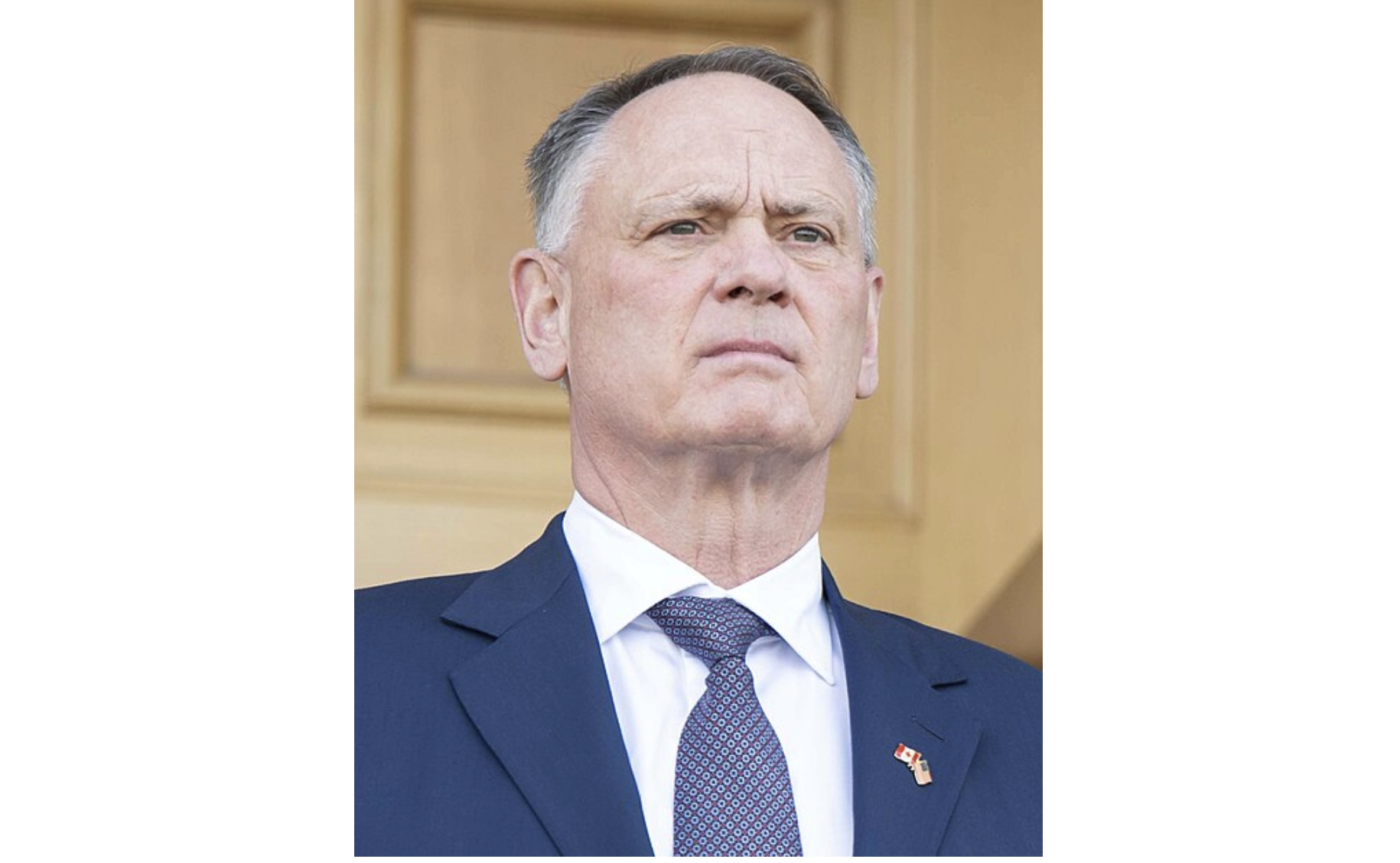





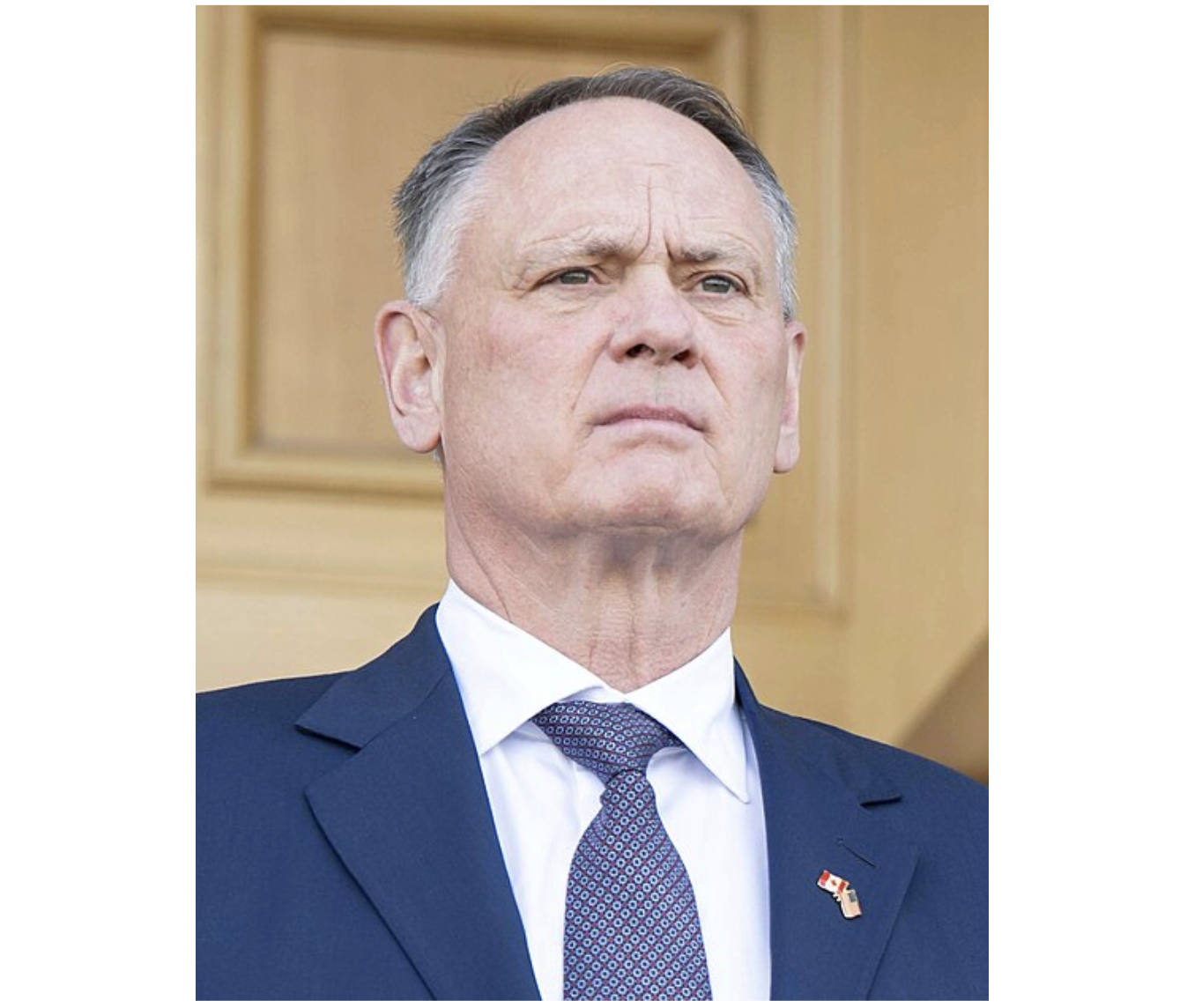
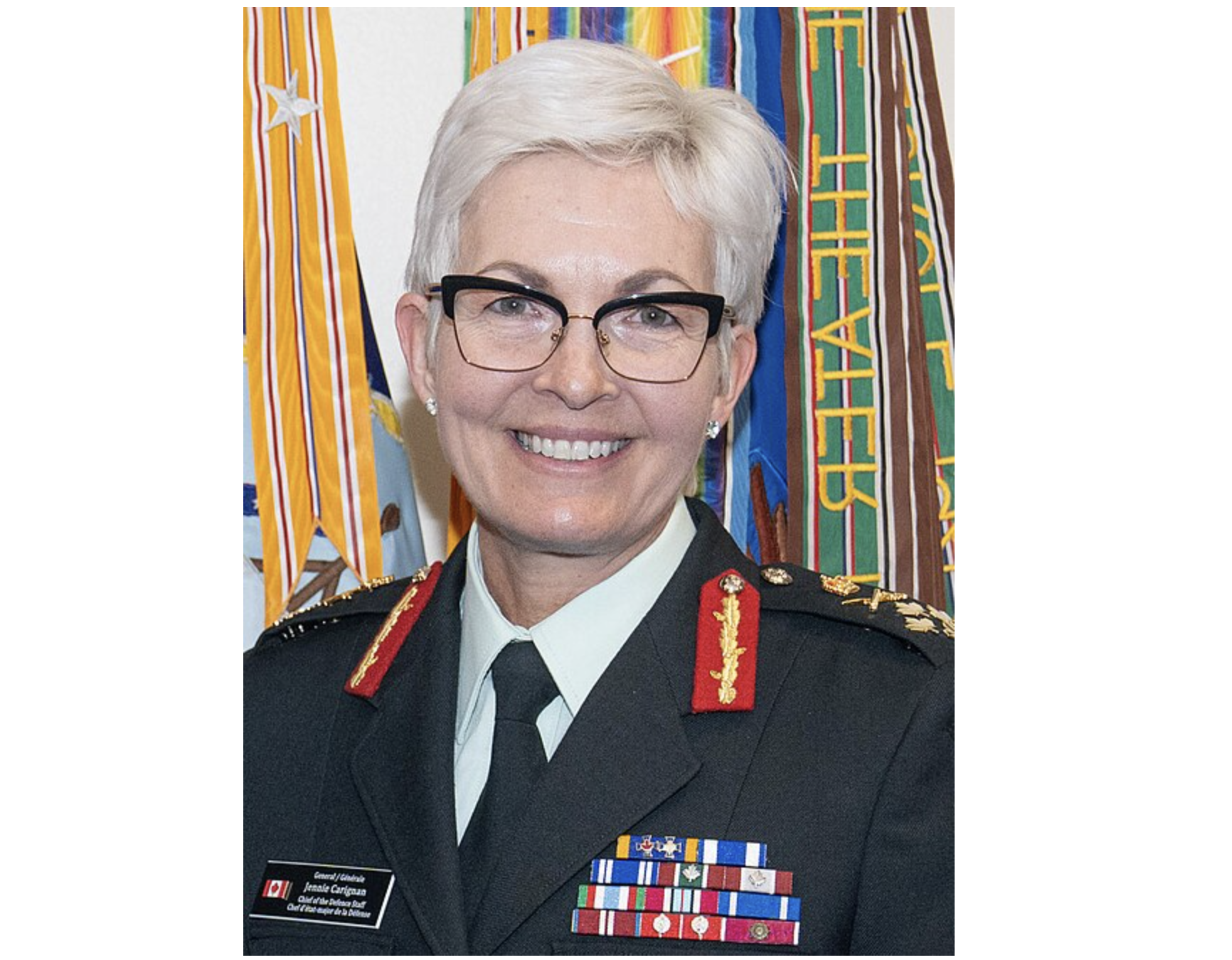





The Heyder and Beattie settlement compensated 23,985 approved claimants, but questions remain about promised institutional reform. Critics are demanding evidence that restorative engagement, external reviews and culture-change funding produced measurable results. Class members deserve transparent reporting showing what changed, what remains unfinished and whether Canada has fulfilled its obligations.
Canada’s ambitious defence buildup focuses heavily on procurement and industrial capacity, but a critical piece is missing: a clear plan for the military personnel required to operate and sustain new capabilities. Recruitment, retention, training, workplace culture and family support must be integrated into procurement if equipment is to become operational capability.
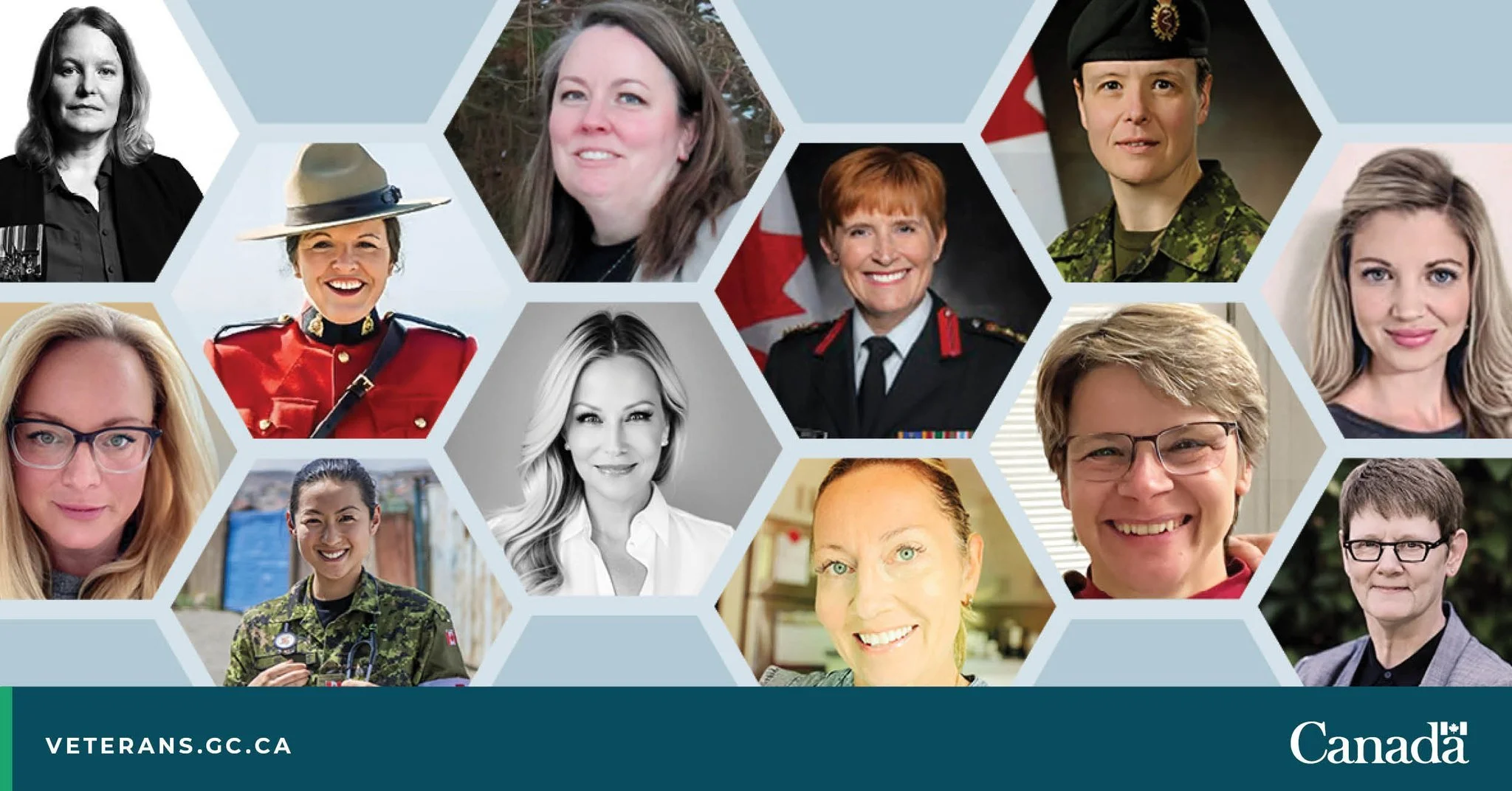
June 2026 highlighted the need for independent representation for Canadian women Veterans. Despite growing recognition of women-specific issues, government-appointed advisory structures continue to limit independent voices. The article argues that meaningful reform requires an autonomous Canadian Military Women Veterans Association to advocate for policy, health, research, and transition issues free from government influence.
Canada’s $79.1-million Veteran Homelessness Program supports housing, rent supplements, research, and wraparound services for vulnerable Veterans. Recently, $3 million in unspent funds was returned, raising accountability questions. Access to Information records allow Canadians to review funding decisions, project outcomes, and spending to ensure taxpayer dollars effectively reduce Veteran homelessness.
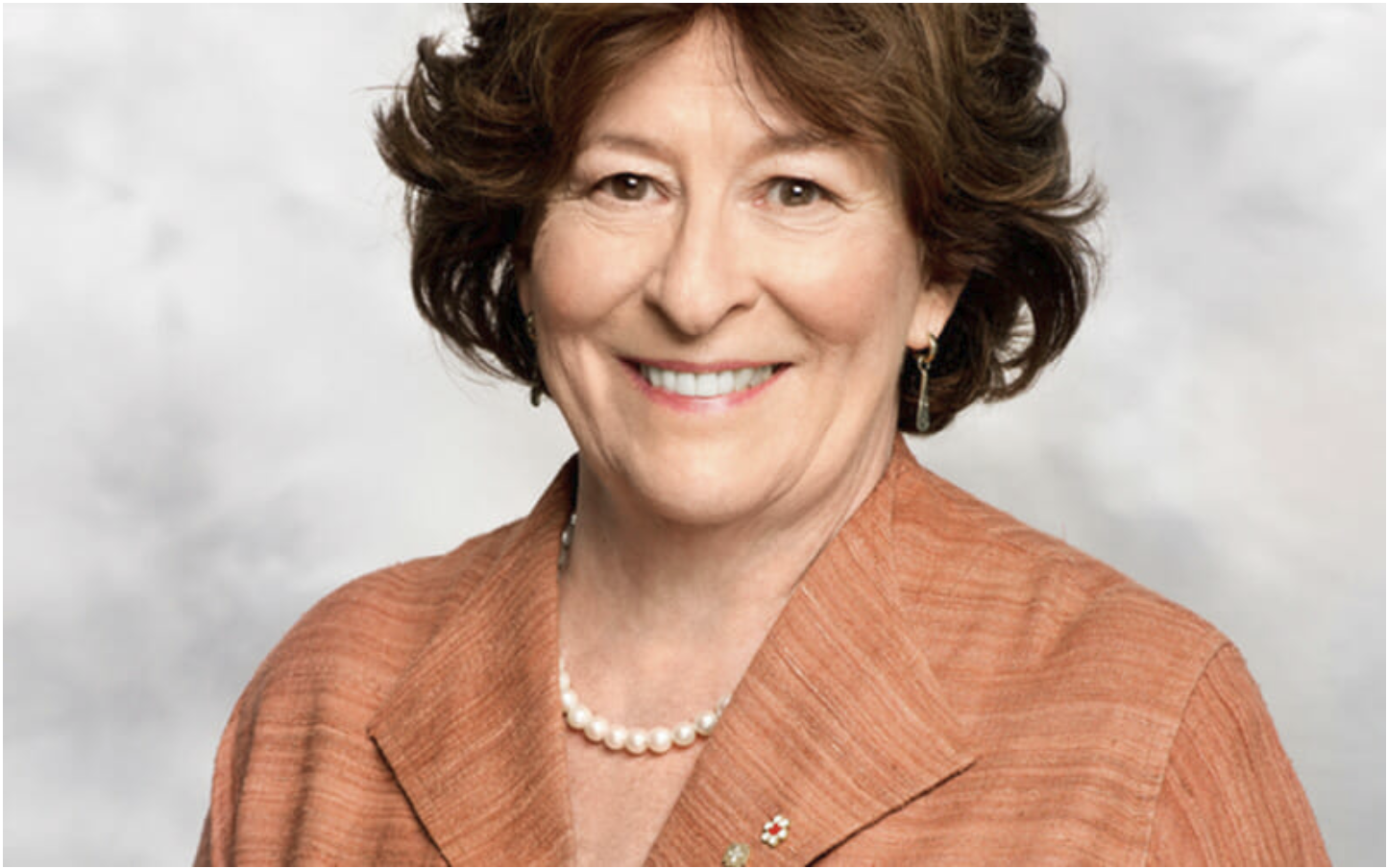
As Madame Louise Arbour prepares to become Canada’s next Governor General and Commander-in-chief, the article urges her to use the moral influence of the office to advance lasting culture change within the CAF. It argues that true reform must be measured not by policies passed, but by improved trust, safety, accountability, and dignity for service members.
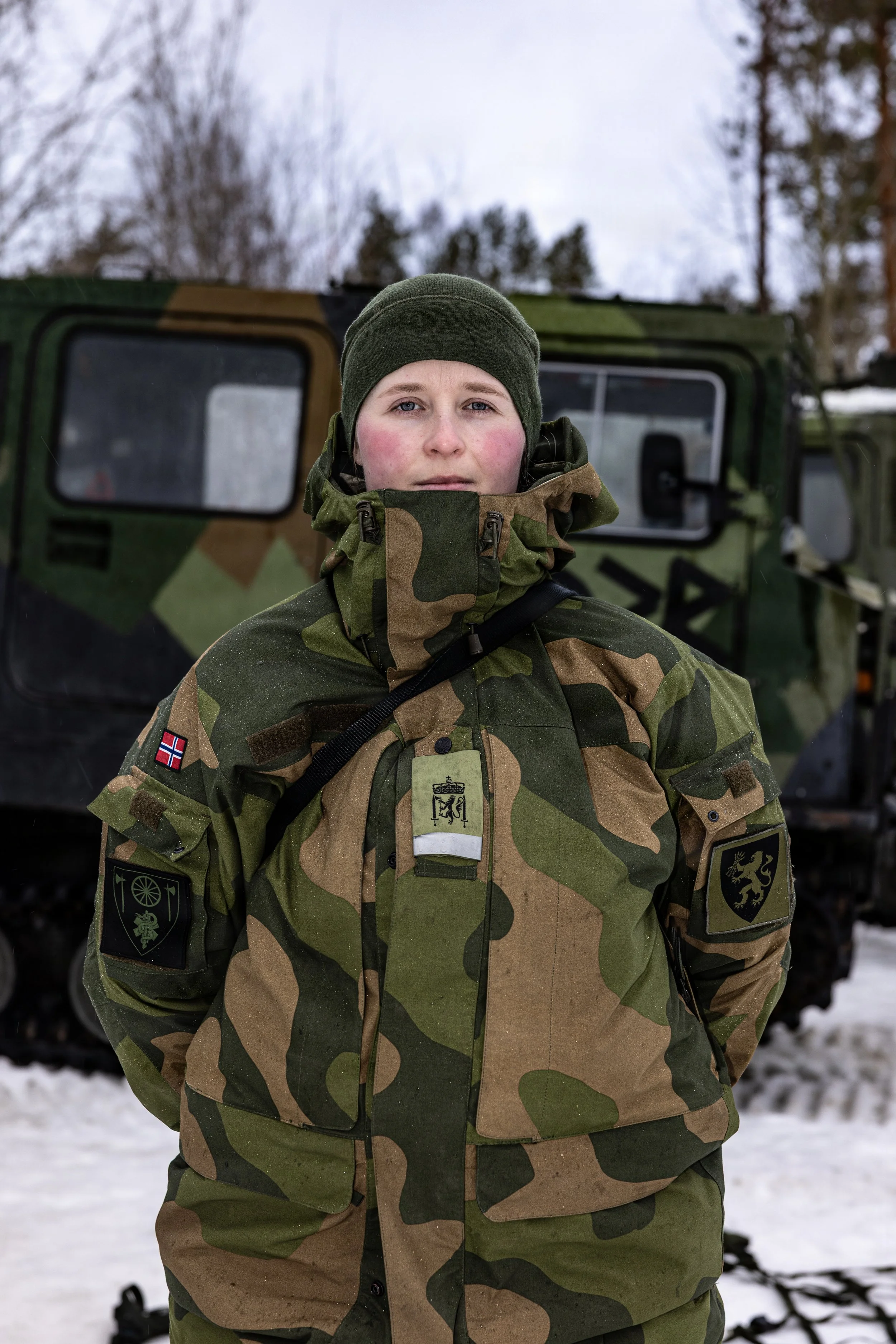
Canada has long relied on voluntary military service, avoiding debates on conscription. However, rising global instability raises questions about whether women should be included in any future draft. With allies and Nordic countries moving toward gender-neutral systems, Canada may need to reconcile equality of opportunity with shared national responsibility.
Sexual harassment and assault in the military often carry deeper impacts than in civilian workplaces due to the institution’s control over members’ lives. Victims may remain alongside perpetrators, face career risks when reporting, and experience institutional betrayal. Recovery depends heavily on supportive responses, making accountability, reform, and leadership training essential.
While Canada publicly commits to supporting women Veterans, evidence suggests a quiet rollback of critical system-level reforms. Delays in implementing recommendations, cancelled forums, and stalled research plans are eroding progress. Without concrete action on injury prevention, diagnosis, and fair adjudication, women Veterans face worsening health outcomes, difficult transitions, and declining institutional trust.
Veterans could see real progress this parliamentary session if accountability replaces endless study. Shifting the burden of proof to government and enforcing ministerial outcome reporting would turn evidence into results. Without enforceable oversight, Veterans keep sounding ignored alarms, reliving harm while responsibility diffuses and promised reforms stall year after year.
Australia’s bill creates an independent, survivor-centred watchdog with legal duties to prevent sexual violence and hold commanders accountable. Canada’s Bill C-11 offers administrative changes without structural reform, shifting cases to civilians and reducing military accountability. The article argues Australia’s approach protects members, while Canada’s leaves survivors burdened and institutions unchanged.
Canada has apologized for many defence-related injustices — but not to the women who served in a system never designed for them. From unsafe workplaces to decades of ignored gender-specific needs, the harms were real and lasting. Until Canada names and owns these failures, its apology record remains unfinished.
As 2025 ends, the CAF faces its 2026 goal for 25% women in the ranks—a target rooted in decades of human rights rulings, employment equity law, and workforce research, not symbolism. Set in 2010 as “ambitious but achievable,” it aims to strengthen operational capability by drawing on Canada’s full talent pool.
The Veteran and Family Well-Being Fund has spent $70M since 2018, yet Veterans Affairs Canada cannot confirm its effectiveness. Internal audits reveal vague goals, poor outcome tracking, and regional bias concerns. Only one-third of projects provided sufficient data. Veterans and taxpayers need transparency, independent audits, and evidence-based accountability.
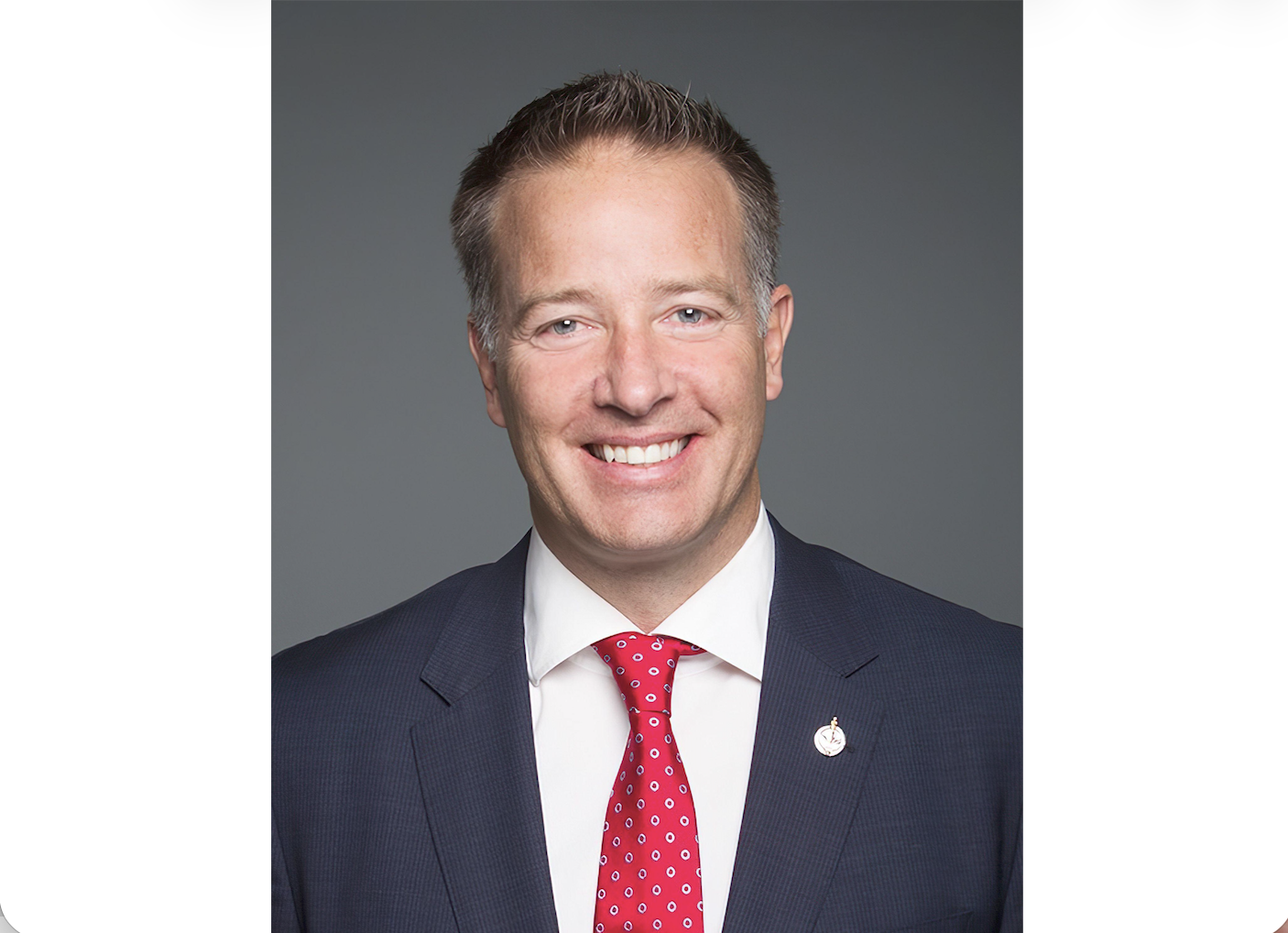
Bloc Québécois MP Marie-Hélène Gaudreau is the swing vote on Parliament’s Veterans Affairs Committee this session. Her decisive role could shape support for Veterans nationwide, particularly in Quebec. Key priorities she may champion include memorials, well-being initiatives, oversight of funding, and action on chemical exposure-related health claims.
The June 2026 Evaluation of Defence Team Culture highlights fragile progress toward meaningful cultural change within Canada’s military. The article urges Defence Team members to recognize personal privilege, challenge harmful behaviours, and support colleagues facing adversity. Lasting change requires empathy, fair opportunities, individual accountability, and leadership committed to inclusion.