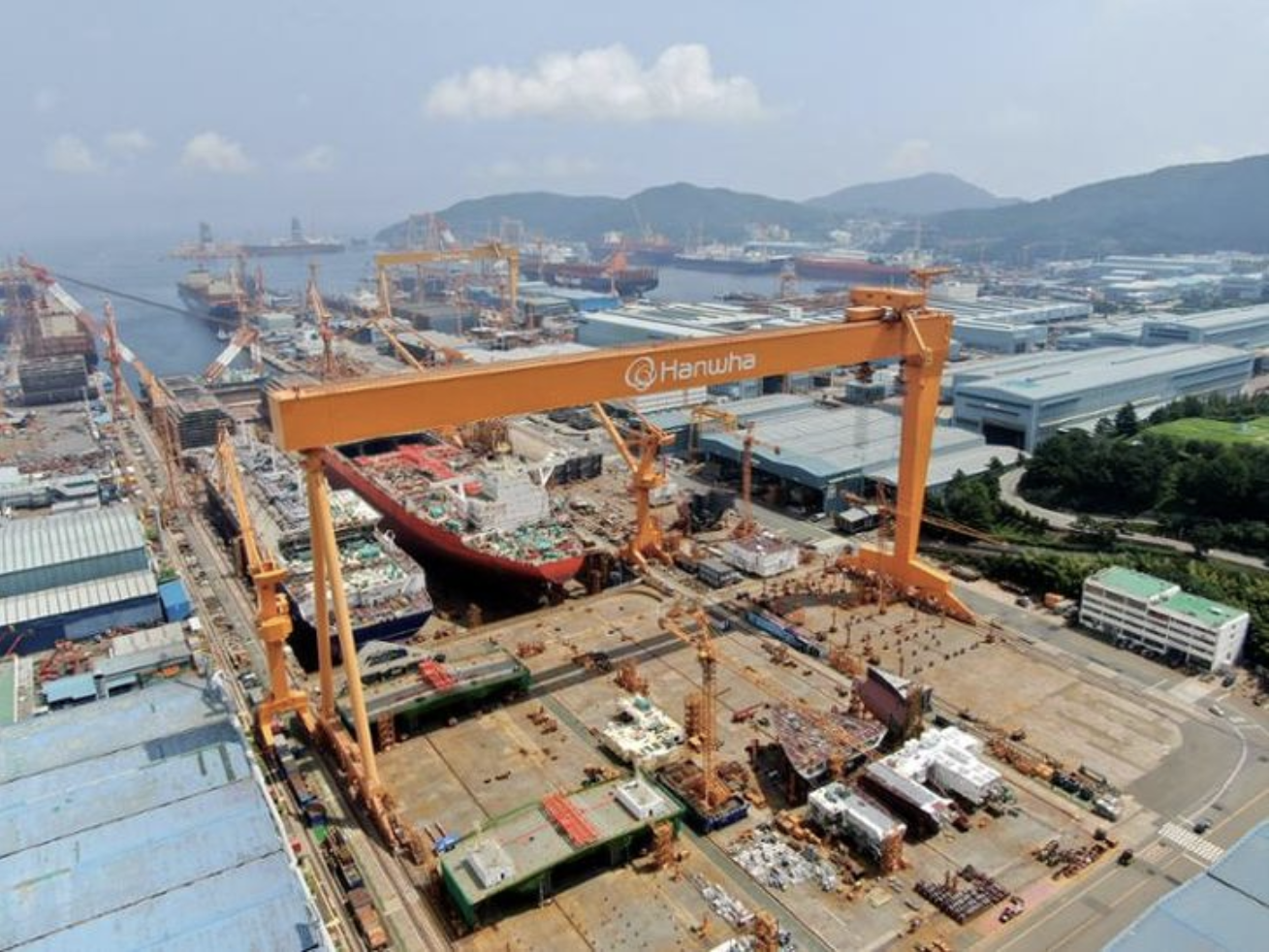
Hanwha Ocean Shipyard, Geoje, South Korea
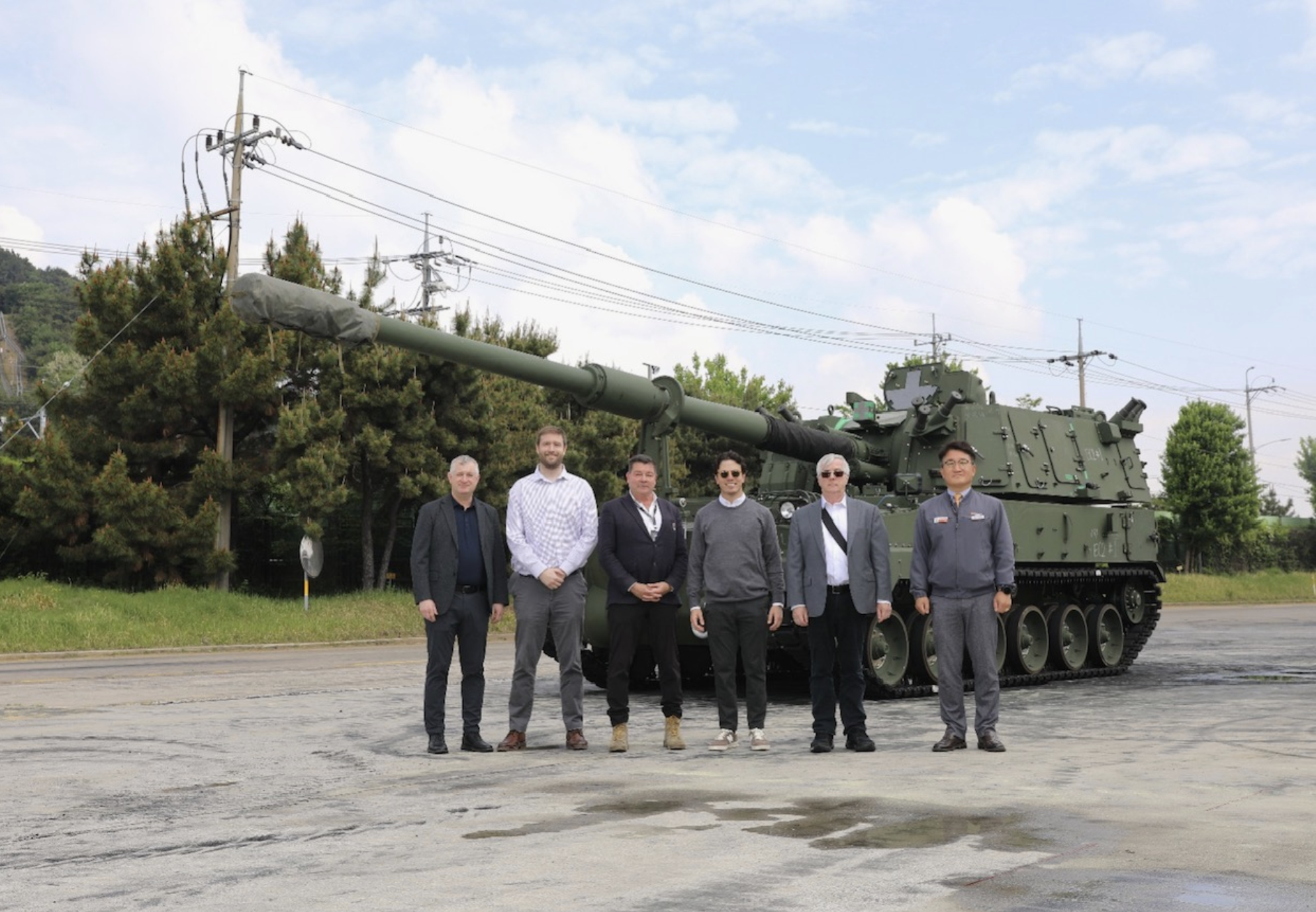
By Scott Taylor
In late April I was able to join a small delegation of Canadian defence academics and journalists who were invited to tour Hanwha facilities across South Korea. In the interest of full disclosure, the travel and accommodation costs were covered by Hanwha as part of their business development aimed at increasing partnership with Canada in the fields of defence, shipbuilding, aviation and space.
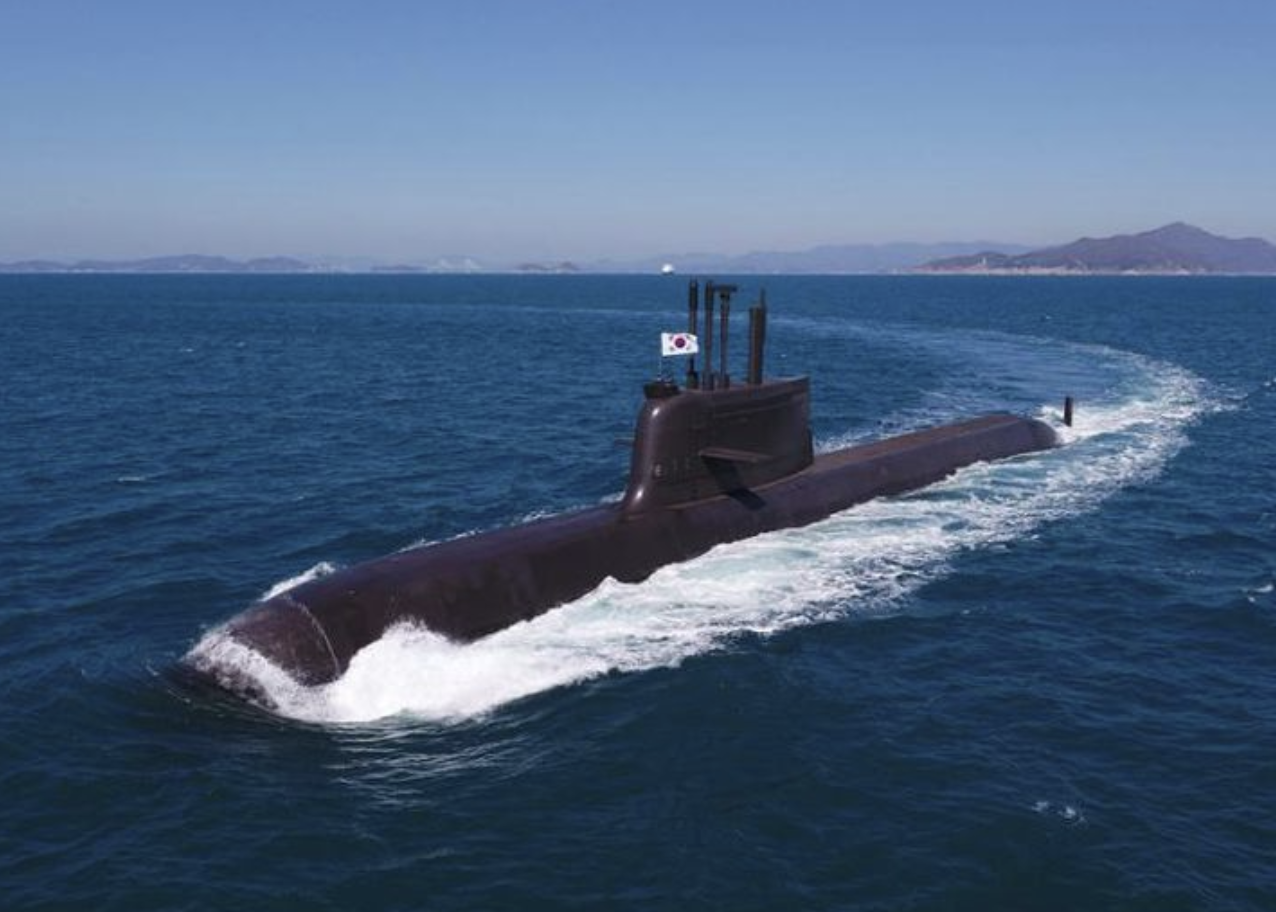
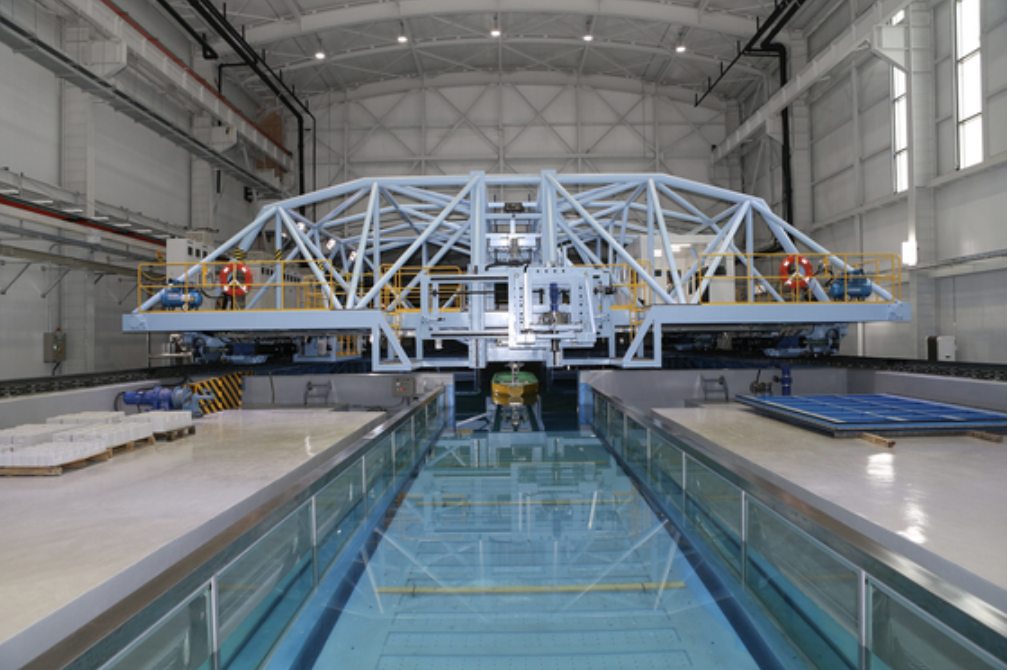
DAY ONE was a bus outing to the Hanwha Siheung Research and Development facility located about 26 kilometres south of Seoul. True to the spirit of Korean hospitality our delegation was greeted with a Canadian flag fluttering from the Campus' flagpole and a large screen greeting inside the Campus lobby. This research facility is run by Hanwha Ocean, one of many subdivisions of corporate giant Hanwha. The R&D campus houses the only acoustic tank dedicated to optimizing underwater stealth and acoustic technology. Lessons learned here are applied to improvements being made to the Hanwha Ocean KSSIII Submarines currently on offer to Canada. Admittedly the Canadian defence focussed delegation (myself included) were a little out of our depth on the science behind all this research. However we came away from the briefings and demonstrations with a solid understanding of the term 'cavitation'. This is the scientific term for the bubbles created by a spinning propeller.
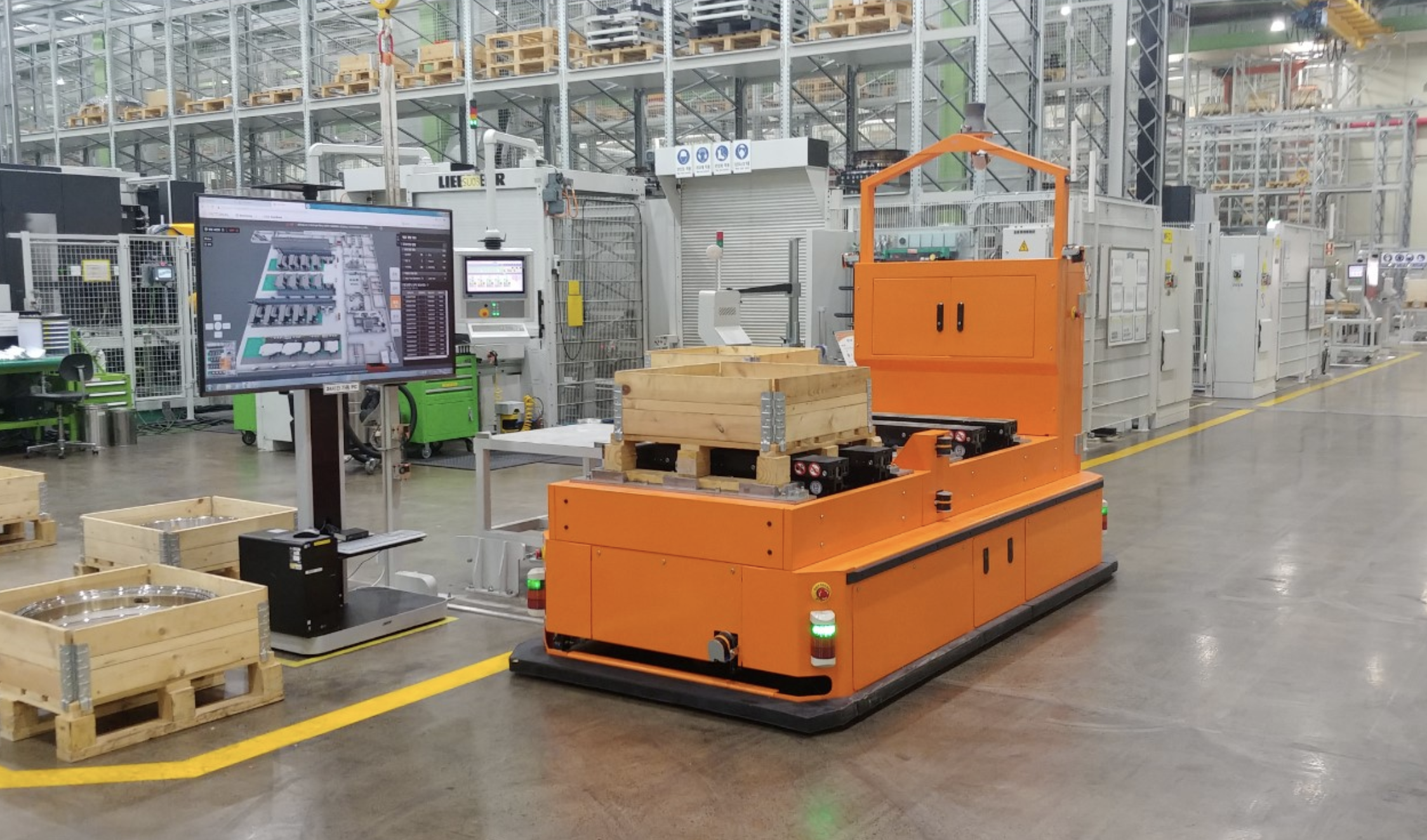
This phenomenon occurs when the spinning blades create a rapid drop in pressure in the surrounding liquid, causing the water to vaporize at ambient temperatures and form vapor-filled cavities. When these bubbles collapse as they move into areas of higher pressure, they produce shock waves that can erode metal and cause significant propeller damage. Lesson learned. The Siheung Campus' centrepiece is indeed the Acoustic Tank which is a massive water basin utilized to study and develop anti-submarine warfare (ASW) capabilities, sonar systems, and deep dive underwater stealth technology for submarines and naval vessels. The Siheung campus also features a Smart Yard hub which is dedicated to digital transformation. This includes automation, robotics, and smart ship platforms to achieve low- and zero-carbon maritime solutions.In summary the Siheung facility acts as a model for Hanwha's international infrastructure initiatives, including plans for similar land-based testing facilities in allied markets like Canada.
Our day concluded with a fantastic dinner at a traditional Korean restaurant near our hotel in the Myeongdong district of Seoul.
DAY TWO began with an early departure from Seoul and a long bus ride the length of South Korea to the southern coastal port of Geoje. This is a major shipbuilding centre and the Hanwha Ocean Geoje Shipyard (formerly known as the Daewoo Shipbuilding & Marine Engineering or DSME Okpo Shipyard) is one of the largest, most technologically advanced maritime manufacturing facilities in the world. Located in Geoje, South Korea, this massive industrial complex spans 4.9 million square metres and serves as a premier global hub for the construction of commercial vessels, naval submarines, destroyers, and advanced offshore energy plants. After a hearty lunch at an Italian restaurant in the heart of Geoje, we were provided a tour of this sprawling industrial facility. Thankfully that tour involved a private VIP bus provided by Hanwha for such visits.
What was probably the most impressive feature was the sheer size of the two shipyards. One is strictly for commercial vessels while a more secure section houses the military production and maintenance. We were able to see the work being done on KSSIII submarines which was certainly a point of interest for the Canadian delegates, albeit we were not allowed a look inside the hulls under construction. The Hanwha Ocean shipyard features a 1-million-ton dry dock (the world's largest) paired with a towering 900-ton Goliath crane to assemble ultra-large vessels. In terms of the scale of the workforce the complex operates essentially as an industrial city, employing roughly 31,000 personnel and sustaining dedicated on-site hospitals, daycare centers, and fire departments. Our guide was unsure of just how many restaurants and cafeterias were located on the grounds but it was upwards of nine. What was most impressive was the level of automation involved in the construction process. At one welding station in the assembly area, a single human would oversee up to 11 welding robots that literally work 24-7 shifts without the need for a coffee or bathroom break. In other words, the figure of 31,000 human workers extrapolated by the number of robots they control and the output capacity.
Not surprisingly, the yard boasts the capacity to construct and deliver approximately 45 to 60 major vessels per year as a result. Our hotel in Geoje was a beachfront resort with a spectacular view of a picturesque fishing village. Dinner that night was a less formal albeit delicious Korean BBQ.
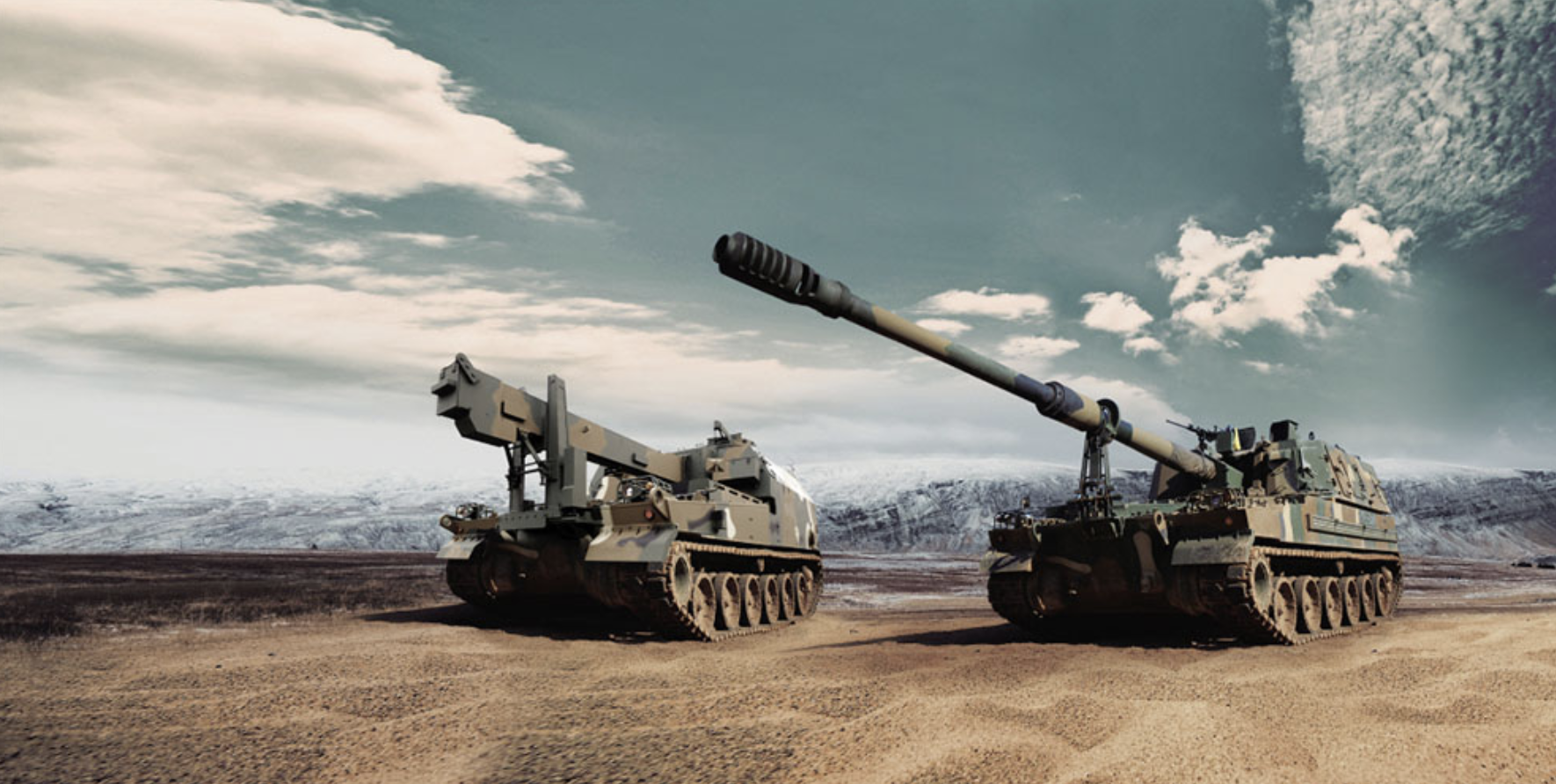
DAY THREE was again an early departure and a 90 minute bus ride north to the Hanwha Aerospace facility in the city of Changwon. In a strange twist of division naming, Hanwha Aerospace in Changwon is actually the primary production centre for the K-9 Thunder Self-Propelled 155mm Armoured Artillery Howitzers. This sort of combat capability is something that the Canadian Army has been without since they retired the fleet of M109 self propelled armoured howitzers in 2005. At the time Canada replaced the M109's with unprotected, towed M777 155mm howitzers which proved their worth in Afghanistan.
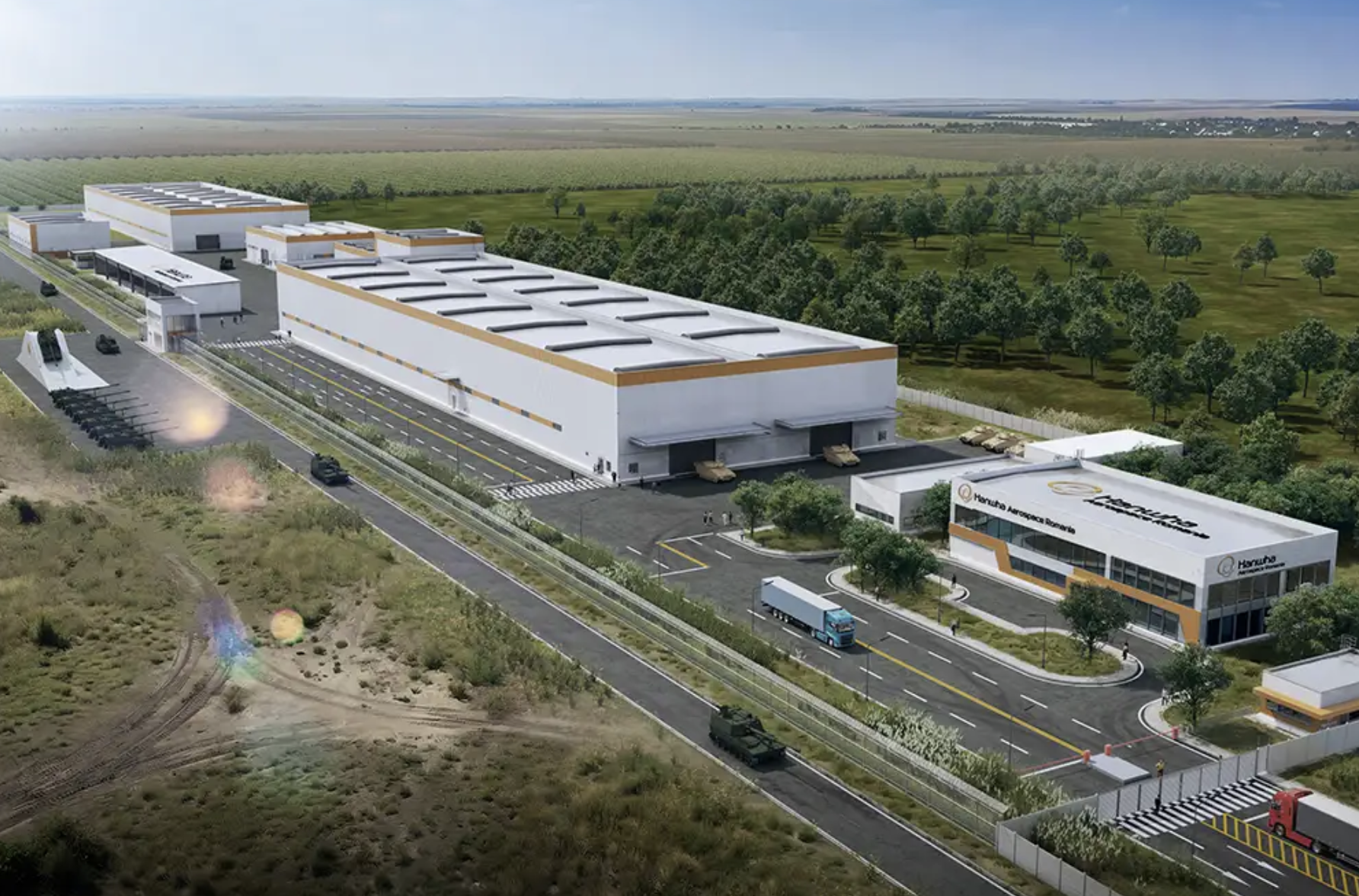
However as the war in Ukraine has shown, modern combat involving near-peer armies equipped with counter-battery artillery capabilities means that unprotected howitzers like the M777 are obsolete. Hanwha not only has a proven system in the K-9 Thunder, they are also uniquely capable of producing them extremely quickly. From start to roll-out Hanwha can produce a battle ready K-9 in just 180 days. At present they are producing roughly 40 units per month to fulfil major orders from Poland and Romania. Once again the level of automation in things like the welding process made the Hanwha plant seem almost futuristic in their process. For the Canadian delegation, the ride alongs in a K-9 at full speed were for sure one of the visit's highlights. Our lunch was Subway sandwiches consumed while in transit to our final destination, which was the Hanwha Systems Exhibition Hall in Gumi. The site is an impressive, newly constructed 89,000 square metre smart production hub, built at a cost of nearly $3 billion (CAD). This tour stop was perhaps the most enlightening element of the tour. The short video and tour of the showroom was not simply a dealer's showcase, it was in fact a glimpse into the future of modern warfare.
That future is un-crewed, and the already in-production weapons systems on offer from Hanwha makes one wonder if anyone has seen the Hollywood 'Terminator' film franchise. Watching the Hanwha promotional video, nearly every system that flashed up on the screen was something that the Canadian Armed Forces should definitely be looking at acquiring. The Hanwha Gumi facility also produces flagship multi-function radars (MFR), tactical communication systems, and automated naval combat systems. The Changwon plant also features a specialized 5,000-square-meter cleanroom for electro-optical and radar manufacturing. Once again Hanwha employs a large number of logistics robots to systematically track their supply chains throughout their inventory. The Space frontier is also a primary objective of Hanwha Systems and they have ambitious plans across the entire spectrum of satellites and communications. The intention is to build the capacity to launch up to 100 satellites a year with a goal of developing their own comms network. In this regard the Hanwha executives revealed they have been in talks with Canadian firms such as MDA and Telesat with the hopes of further future partnership with Canada in this domain.
Editor's Note: Gamsahabnida (Thank You) to our hosts from Hanwha for the impeccable hospitality.