
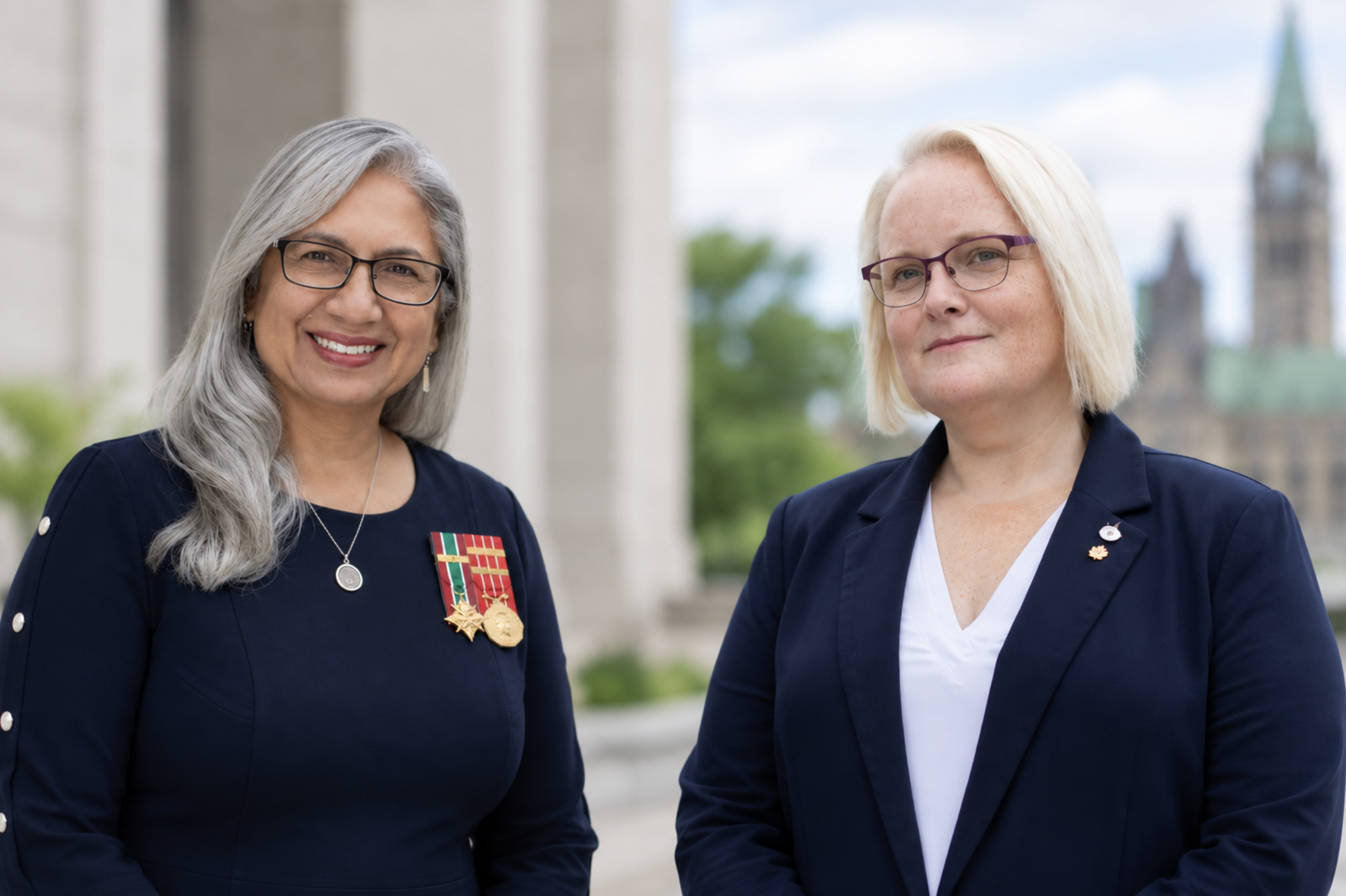
Veterans Ombud Colonel (Ret’d) Nishika Jardine released the annual publication Spotlight 2026: Progress Update on Office of Veterans Ombud (OVO) Recommendations to Veterans Affairs Canada (VAC).
Spotlight tracks progress made by VAC in implementing our recommendations to the Minister of Veterans Affairs to resolve systemic unfairness that affects the well-being of the CAF and RCMP Veteran community.
Positive progress has been made by VAC in addressing our recommendations. Notably, improvements are underway for the VAC internal review process. And the establishment of permanent funding for the Military Sexual Trauma (MST) Peer Support Program is likewise an encouraging step.
“We are encouraged that VAC has started the work required to implement recommendations from our most recent systemic report ‘The Veterans Affairs Canada Internal Review Process’. However, significant work remains on a number of outstanding recommendations that continue to have real life impacts on Veterans and their families.” - Colonel (Ret’d) Nishika Jardine, Veterans Ombud.
However, the Ombud underscores some of the recommendations that remain unimplemented including reducing the burden of care for Veterans’ live-in relatives, and updating the legislation to allow any remaining value of the Pain and Suffering Compensation awarded to single Veterans without dependent children to be paid out after death.
For the fifth consecutive year, she is asking Government to implement our recommendation to provide mental health treatment benefits for Veterans’ family members in their own right, when the need is connected to service. This recommendation was first made in 2021 following a systemic review of the issue.
While OVO cannot compel implementation, Spotlight serves as a way for the Veteran community to hold VAC to account for eliminating identified barriers to fair and equitable access to the benefits and services put in place by Parliament. Outstanding recommendations represent opportunities for VAC to address these barriers and improve fairness for Veterans and their families.
