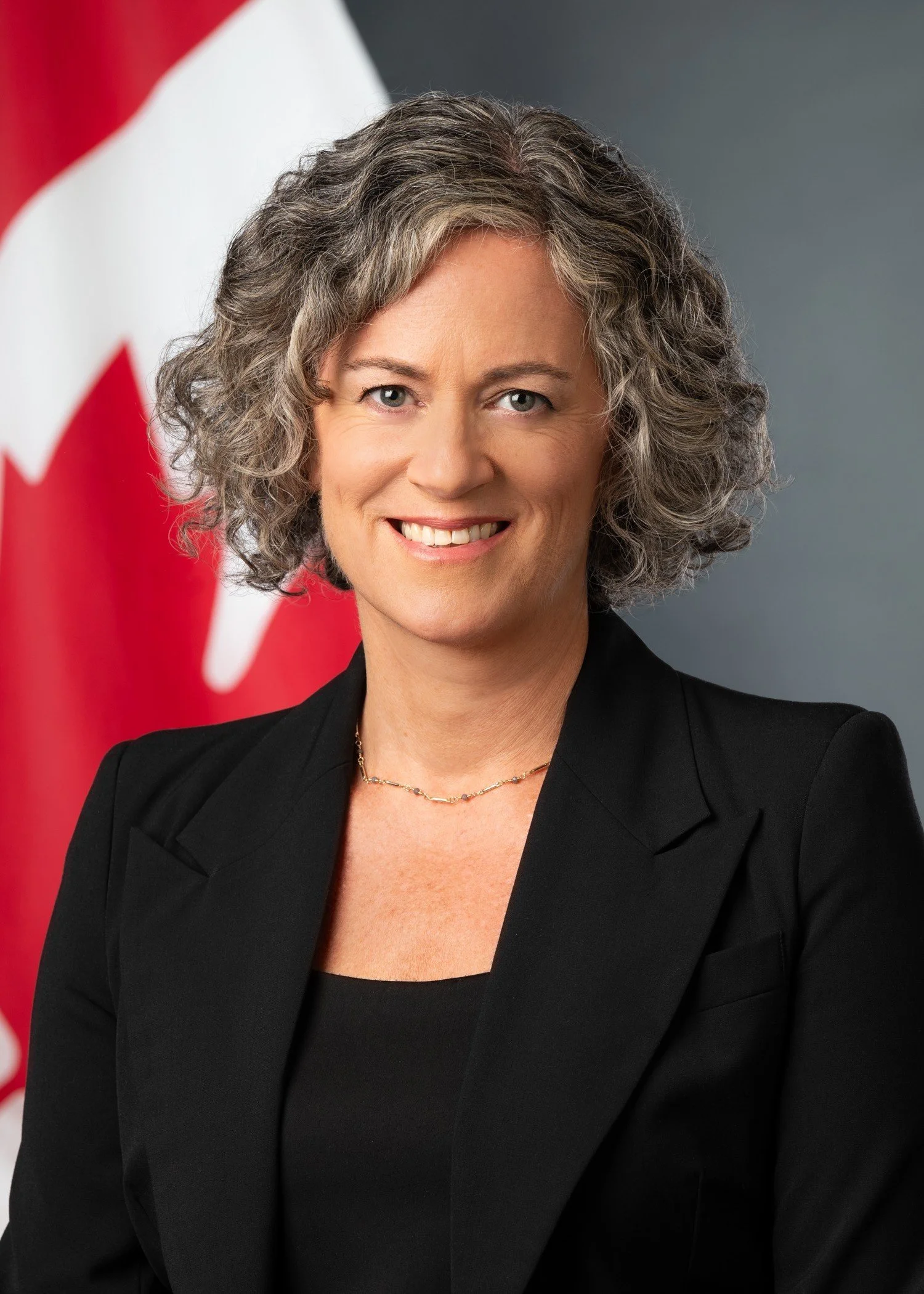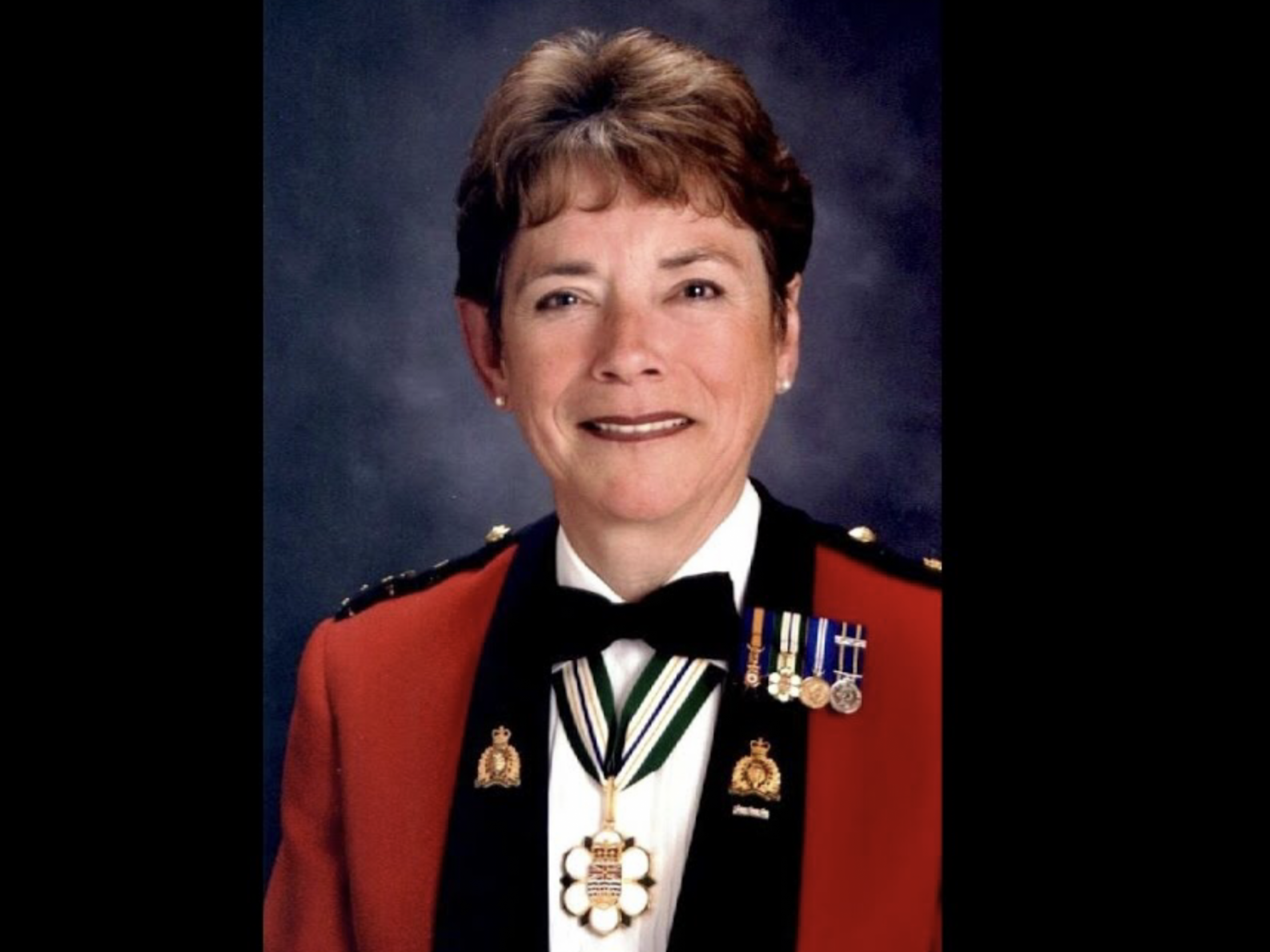
Inspector (Retired) Gerry Kerr, RCMP Veteran Women’s Council Volunteer and RCMP Member (Retired)

Gerry Kerr grew up immersed in military culture as a “Lahr Brat” on a Canadian Forces base in Germany, part of a family spanning five generations of service. Although she initially hoped to join the military, expectations at the time steered her elsewhere. When she returned to Canada at sixteen, career paths for women were still narrowly defined. Undeterred, she found another way to serve, joining the Royal Canadian Mounted Police as a steno/telecommunications operator — a decision that would unexpectedly launch a policing career.

Her transition to sworn member came almost by accident. While working dispatch, she was asked to write an exam. Only later did she learn that it was the entrance exam for Regular RCMP Members. She had achieved a high mark despite joking that mathematics was never her strength.  What followed was a 31-year operational career; 25 years of those years were spent largely in Canada’s North and Arctic, environments where policing demanded independence, judgment, and calm leadership under pressure.

Kerr built a reputation for steady decision-making during high-risk incidents, eventually moving into Training Branch roles before becoming Operations Officer in Nunavut.  She later worked in Incident Command for Emergency Management and finished her career in Human Resource Management for Saskatchewan.  Working in remote communities required cultural awareness and adaptability, reinforcing her belief that effective policing depends on trust rather than authority alone.

Her most visible barrier-breaking experience occurred during her 14-month deployment as Deputy Commander of the Canadian Police Mission in Ukraine. Throughout her career, including her deployment to Ukraine, many initially assumed from name that “Gerry” was a man. At one senior meeting she was mistaken for administrative staff and heard officials dismiss women’s ability to think critically in operational policing. Drawing on decades of operational experience, she calmly described the complex armed incidents she had commanded. The conversation shifted, and local leadership later acknowledged it changed perceptions of women in policing leadership
positions.

Throughout her career Kerr found that credibility in male-dominated environments was built incrementally. Rather than confronting bias directly, she relied on competence and consistency, allowing performance to alter expectations over time.

She encourages young women to seek difficult environments rather than avoiding them, often advising them to “go North” — not only geographically, but professionally — to develop resilience and independence early in their careers.

Since retiring, Kerr has been heavily involved in education related to human trafficking and child abuse investigations, work that began during her career and continues post-service. Kerr remains active in veteran support initiatives, including involvement with RCMP Veterans organizations and collaboration with Veterans Affairs Canada advisory efforts supporting women veterans. She is an active member of the RCMP Veteran Women’s Council and was recently selected to participate in a Women Veterans Engage Workshop in Ottawa connected to the Invisible No More project at Mount Saint Vincent University. 

For Kerr, breaking barriers was never a single event but the accumulation of small moments where assumptions quietly changed.

Kerr was nominated by Corporal (Retired) Jane Hall, RCMP.
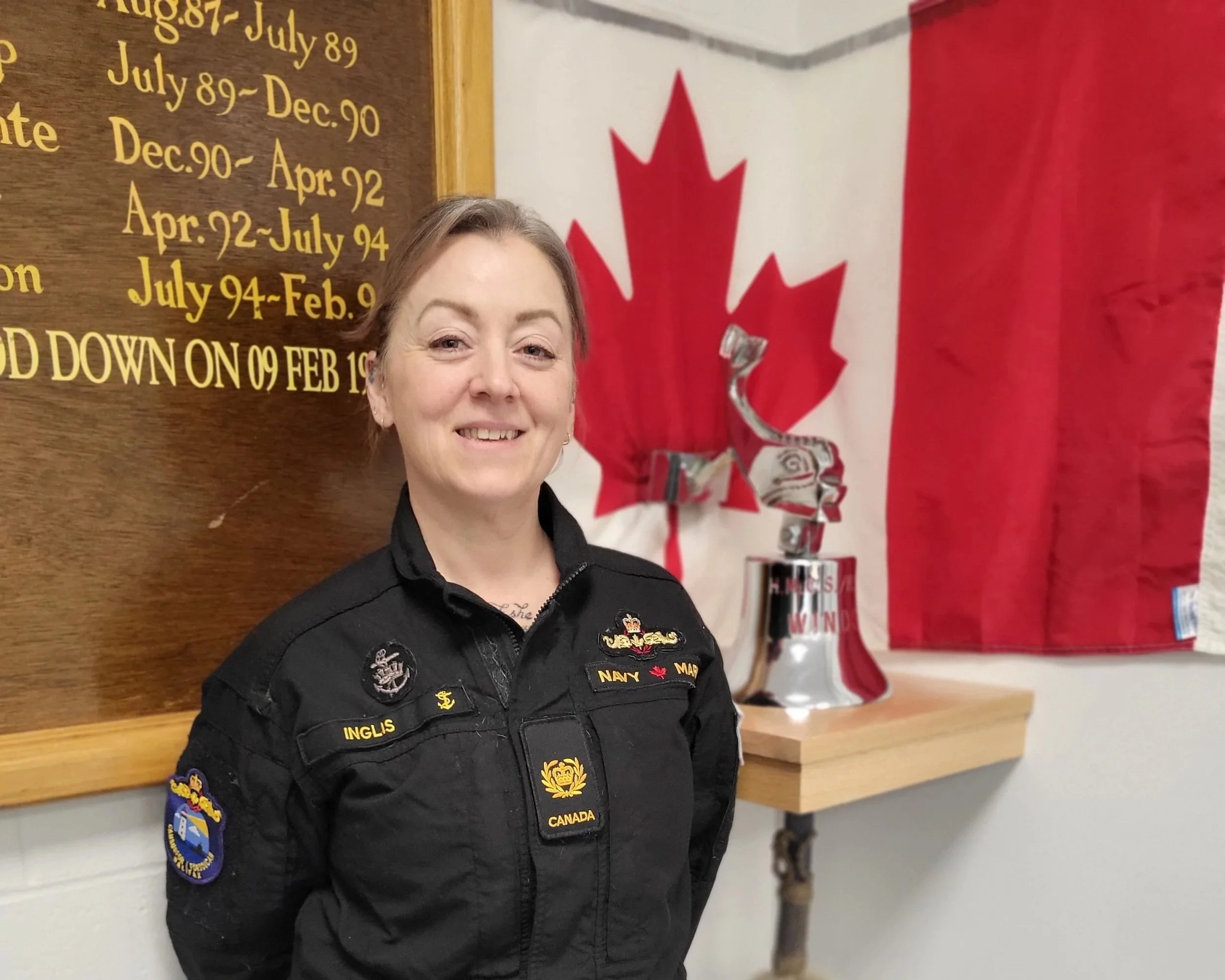
Chief Petty Officer 2nd Class Patricia Inglis, Coxswain, Royal Canadian Navy, Canadian Submarine Force

Chief Petty Officer 2nd Class Patricia Inglis serves in one of the most demanding environments in the Canadian Armed Forces (CAF) as Coxswain of HMCS Windsor. In doing so, she became the first woman in CAF history to serve as the senior non-commissioned member of a submarine command team — a milestone within a community long defined by tradition, close living quarters, and intense operational pressure.

Raised in a military family in Atlantic Canada, Inglis was familiar with service life early but initially chose a different path, spending a decade working in international tourism.
By age 30 she sought greater purpose and enlisted in the Royal Canadian Navy, beginning her career as a Naval Combat Information Operator aboard a frigate.

While she valued surface fleet experience, the submarine service appealed to her sense of accountability and teamwork. Submarines operate with small crews where every member’s competence directly affects safety. Berthing arrangements based on rank rather than gender meant professional credibility carried immediate importance. She completed submarine qualification — earning her ‘dolphins’ — and later advanced through increasingly senior leadership roles.

Her appointment as Coxswain marked not only personal achievement but cultural change within the submarine community. The role places her at the centre of discipline, morale, and daily functioning of the ship. Inglis emphasizes professionalism and consistency, setting expectations that operational standards and mutual respect are inseparable.

Throughout her career she recognized the additional scrutiny often placed on those who are the first in a role. Rather than addressing it directly, she relied on preparation and steady performance to normalize women’s presence in submarine leadership. Feedback from junior sailors who saw new possibilities in their own careers became one of her most meaningful professional moments.

She describes leadership as maintaining trust within confined environments where small issues can quickly affect operational effectiveness. Mentorship and clear communication, she believes, are operational necessities rather than optional leadership qualities.

Her advice to junior members is straightforward: know your worth, keep your head high, and  let your work speak for itself. Change in established institutions, she notes, occurs gradually but reliably through consistent example.

Looking ahead, Inglis remains focused on maintaining operational readiness and preparing sailors for the transition to Canada’s future submarine fleet, ensuring experience and culture carry forward.

Inglis was jointly nominated by Master Sailor C.W. Assuncao, Lieutenant-Commander Kai Imai, and Major (Retired) Eva Martinez, Esprit de Corps Women in Defence Award recipient (2016).

Ambassador Alison Grant, Ambassador of Canada to Austria Global Affairs Canada

Ambassador Alison Grant has spent more than two decades shaping Canada’s role in international security. As Canada’s Ambassador to Austria and Permanent Representative to International Organizations in Vienna, she represents Canada at the International Atomic Energy Agency and related bodies, working with partners and adversaries alike on nuclear safety, non-proliferation, and international stability.

Grant’s career, which included foreign postings in Moscow, New York, Brasília, and now Vienna, has consistently crossed institutional boundaries. Rather than treating diplomacy, defence, and finance policy as separate lanes, she has worked to integrate them. As Director General for International Security and Strategic Affairs at Global Affairs Canada, she led the tri-departmental effort with National Defence and the Department of Finance to develop Canada’s roadmap toward NATO defence spending commitments, aligning operational requirements with fiscal and diplomatic realities.

Her interest in global security began early, shaped by the end of the Cold War and a fascination with geopolitics. After an internship at the United Nations (UN) in 1994, she joined the foreign service in 1999. Early assignments exposed her to environments where women were still rare in security negotiations. In one instance, while serving in Moscow, Russian officials refused her diplomatic convoy entry into Chechnya. She did not allow the incident to limit her work.

Later in the posting, during the Dubrovka theatre hostage crisis, she was the first Canadian diplomat deployed to the perimeter to help secure the release of a Canadian permanent resident. Experiences like this reinforced her view that diplomacy operates closest to crisis when it is least visible to the
public.

A defining chapter occurred in 2024 when she travelled to Kyiv to finalize the Canada–Ukraine Agreement on Security Cooperation. Negotiated in an active conflict environment, the agreement became part of the long-term framework supporting Ukraine’s defence and the CAF training mission. For Grant, the moment represented the culmination of years working at the intersection of policy and operational reality.

Her leadership style emphasizes knowledge sharing. Known within Global Affairs Canada for mentoring junior officers, she regularly meets with early-career diplomats, particularly women entering security fields, encouraging them to participate actively in discussions where they may initially feel outnumbered.

Grant has also advanced Women, Peace, and Security initiatives by directing Canadian funding toward independent media in conflict-affected states and supporting programs addressing disinformation and civilian protection. Her work at the Weapons Threat Reduction Programme and support for NATO Centres of Excellence in Canada further strengthened links between domestic capability and international engagement.

Her advice to young professionals reflects her own career: build networks intentionally, ask questions, and contribute ideas early. Influence, she believes, grows from participation rather than seniority.

In her current role in Vienna, Grant is focused on strengthening international cooperation on nuclear security and emerging transnational crime threats while promoting peaceful uses of advanced technologies, including space systems.

Grant was nominated by Ms. Jacqueline O’Neill, Esprit de Corps Women in Defence Award recipient (2023).

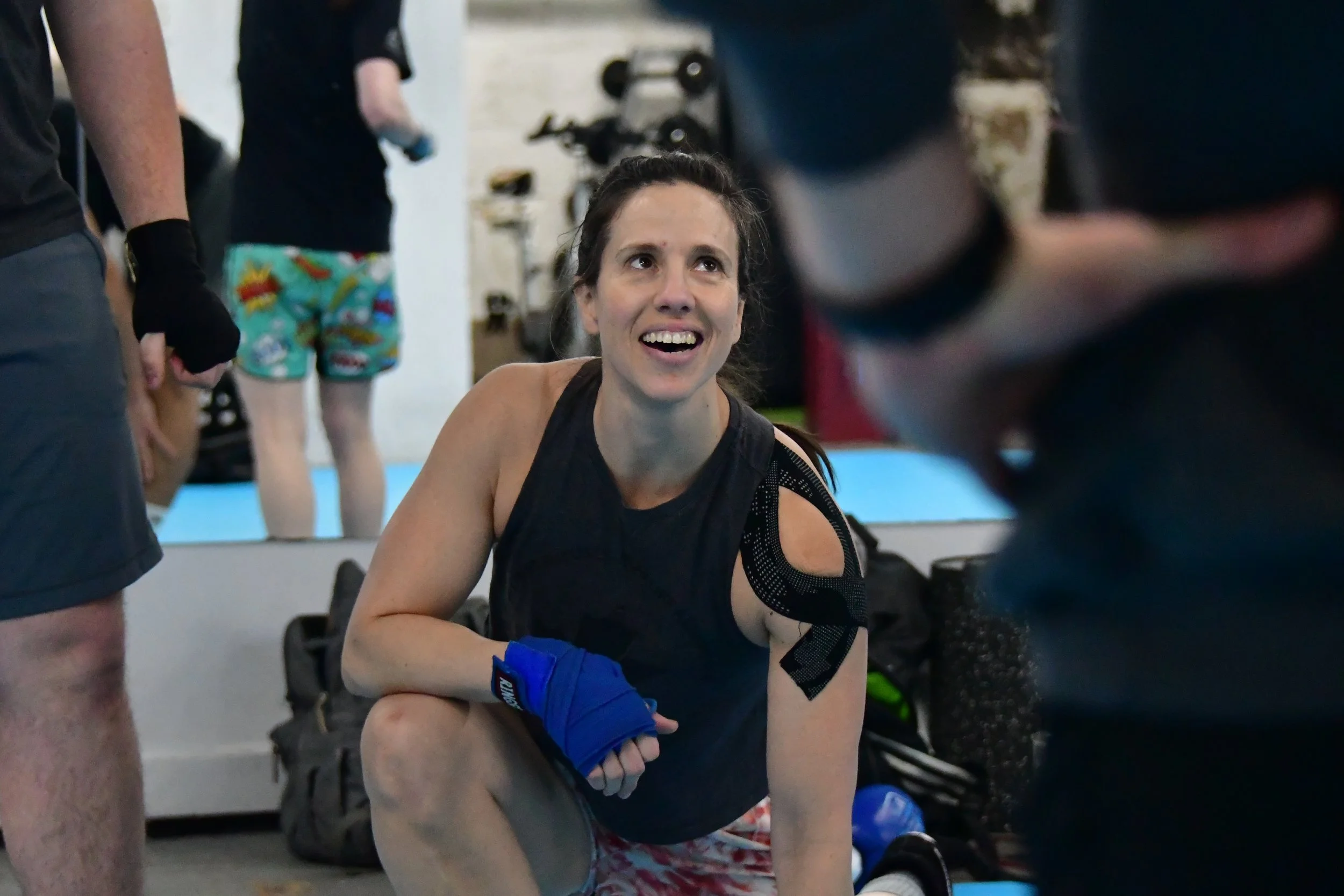
Master Corporal Afton David, LL.L., J.D. Infantry Reservist and Civilian Legal Counsel

Master Corporal Afton David’s career spans two rarely combined professions: infantry soldier and civilian lawyer. Whether advising on complex shipbuilding contracts or leading reconnaissance patrols, she represents modern service that challenges traditional intellectual and physical boundaries in the Canadian Armed Forces (CAF).

David joined the Cameron Highlanders of Ottawa, an Army Reserve regiment, in 2016 and quickly distinguished herself, graduating top candidate on her recruit course. From the outset, she pursued demanding opportunities, temporarily leaving her legal career to complete military qualifications including Winter Warfare Course and the Infantry Section Commander Course. Her approach has remained consistent: competence first, credibility earned through performance.

In 2020 she took a leave of absence from her full-time civilian role as a lawyer at Kelly Santini LLP to attend the Basic Reconnaissance Patrolman Course, one of the Army’s most physically and mentally demanding three-month courses. Although she could not complete it for medical reasons, she fought to remain and audit the classes to continue learning.

Her challenge to physical stereotypes became visible through charity boxing. In 2019 she fought in the only women’s bout of Fight for the Cure, raising over $30,000 for cancer research. In 2023 she returned to competition at Clash of Cartier just seven months after giving birth, demonstrating that motherhood and combat arms service can coexist, and planning to compete again fifteen months after her second child.

In her present role as Senior Legal Counsel at Chantier Davie Canada Inc., David contributes to the National Shipbuilding Strategy, providing guidance on federal procurement tied to Canada’s naval capabilities. 

She has also applied her expertise within the military sphere, serving as co-chair of a law and ethics working group for the International Society of Military Sciences, participating in the Commonwealth Military Justice Project in South Africa in 2023, and contributing to parliamentary discussions on military justice reform, including testimony before the Standing Committee on National Defence supporting amendments to Bill C-11, the military justice modernization legislation.

Within her regiment, she helped establish the Regimental Women’s Social Support Network, providing peer support and addressing inappropriate behaviour through early intervention and mentorship.

Her commitment to service extends beyond formal roles. She has cycled 250 kilometres for Wounded Warriors, volunteered legal services through Pro Bono Ontario, and rescheduled her honeymoon to instruct on a Rifle Section Commander course — a story she cites as responsibility to the team before
self.

David’s leadership philosophy emphasizes incremental progress: credibility is built through preparation, repetition, and showing up when it matters. Her advice to young women reflects that mindset — progress comes one step at a time, particularly when entering spaces where you are the first or the minority.

In 2024, Afton was awarded the Canadian Global Affairs Institute Women in Defence and Security (WiDS) Fellowship, a professional development opportunity supporting women in defence and security fields. 

In 2026 she continues her Master’s Degree in Public Administration at the Royal Military College while preparing for future leadership appointments in both military and civilian capacities.

David was nominated by Ms. Lindsey Kettel, Esprit de Corps Women in Defence Award recipient (2021).

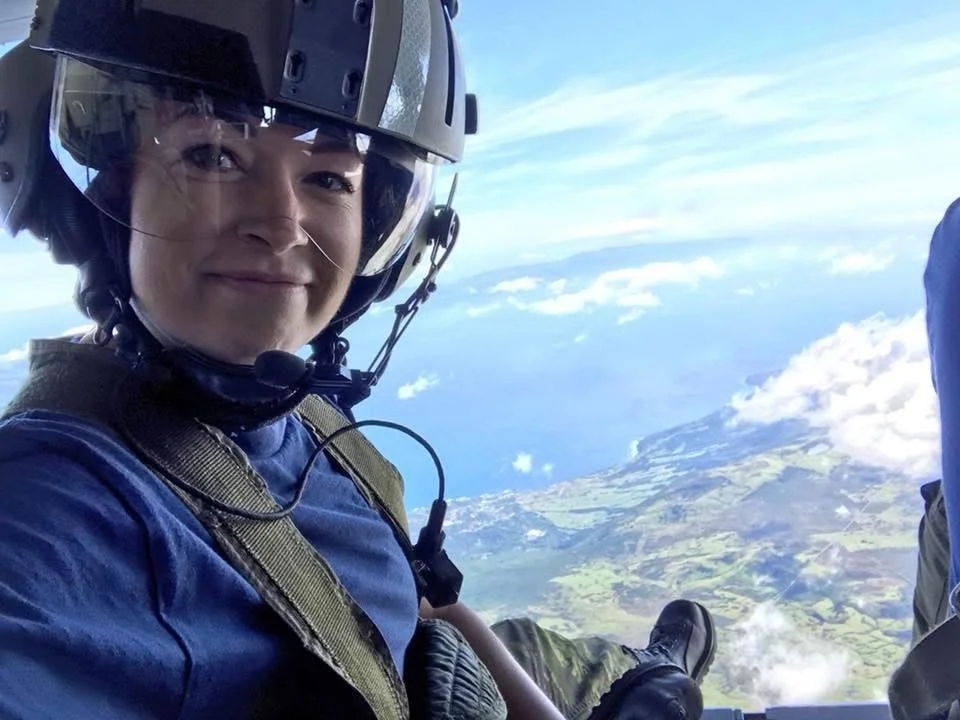
Master Corporal Trisha Chipman, Aviation Systems Technician, Royal Canadian Air Force

Master Corporal Trisha Chipman’s military career began with a brief stop at a recruiting booth in high school. Learning about paid education opportunities in the Royal Canadian Air Force led her to enrol in the Non-Commissioned Member Subsidized Training and Education Plan (NCM-STEP), a decision that set the course of her life. Today, she stands on the other side of that conversation as a Specialist Recruiter, helping others discover the same opportunity.

An Aviation Systems Technician by trade, Chipman works in one of the most technically demanding maintenance occupations in the Canadian Armed Forces (CAF). Responsible for ensuring aircraft safety and mission readiness, her work directly supports operational capability. The precision and accountability required in aviation maintenance shaped her professional reputation early: consistency, preparation, and attention to detail mattered more than physical strength or stereotypes.

Her expertise led to a defining milestone in 2019 when she was selected for the Royal Canadian Air Force’s first all-women aircraft maintenance competition team. Representing Canada in Atlanta, Georgia, the team competed against 88 international teams, demonstrating both technical proficiency and the growing presence of women in aviation maintenance – a field historically dominated by men.

Chipman’s career also reflects balance beyond the hangar. A mother of four, she remains deeply involved in her community as a soccer coach, minor hockey coordinator, and volunteer board member. In 2023, she helped the Greenwood Bomber Soccer Team win regional championships and advance to CAF Nationals, the first time in the team’s history. Her ability to integrate family, service, and community involvement challenges long-standing assumptions about what military careers require from women and parents.

As a recruiter with 1 Canadian Air Division’s Air Maintenance Attractions Team, Chipman now travels across Canada, engaging students, educators, and families. She places particular emphasis on technical trades, explaining that aviation maintenance rewards focus, curiosity, and problem-solving rather than physical size or strength. Many young women, she notes, simply have never been told they belong in these
spaces.

Chipman acknowledges that credibility in a high-stakes technical environment must often be earned repeatedly. Rather than confronting skepticism directly, she relies on performance and mentorship, helping junior members build confidence through skill development and shared experience.

Her advice to young women considering technical careers is straightforward: women belong on the flight line, in hangars, and in engineering environments just as much as anywhere else.
Looking ahead, Chipman plans to expand partnerships with colleges and training programs to strengthen recruitment into air maintenance trades and ensure the next generation of technicians reflects the diversity of the country they serve.

Chipman was nominated by Ms. Julie Bibby-MacNabb.

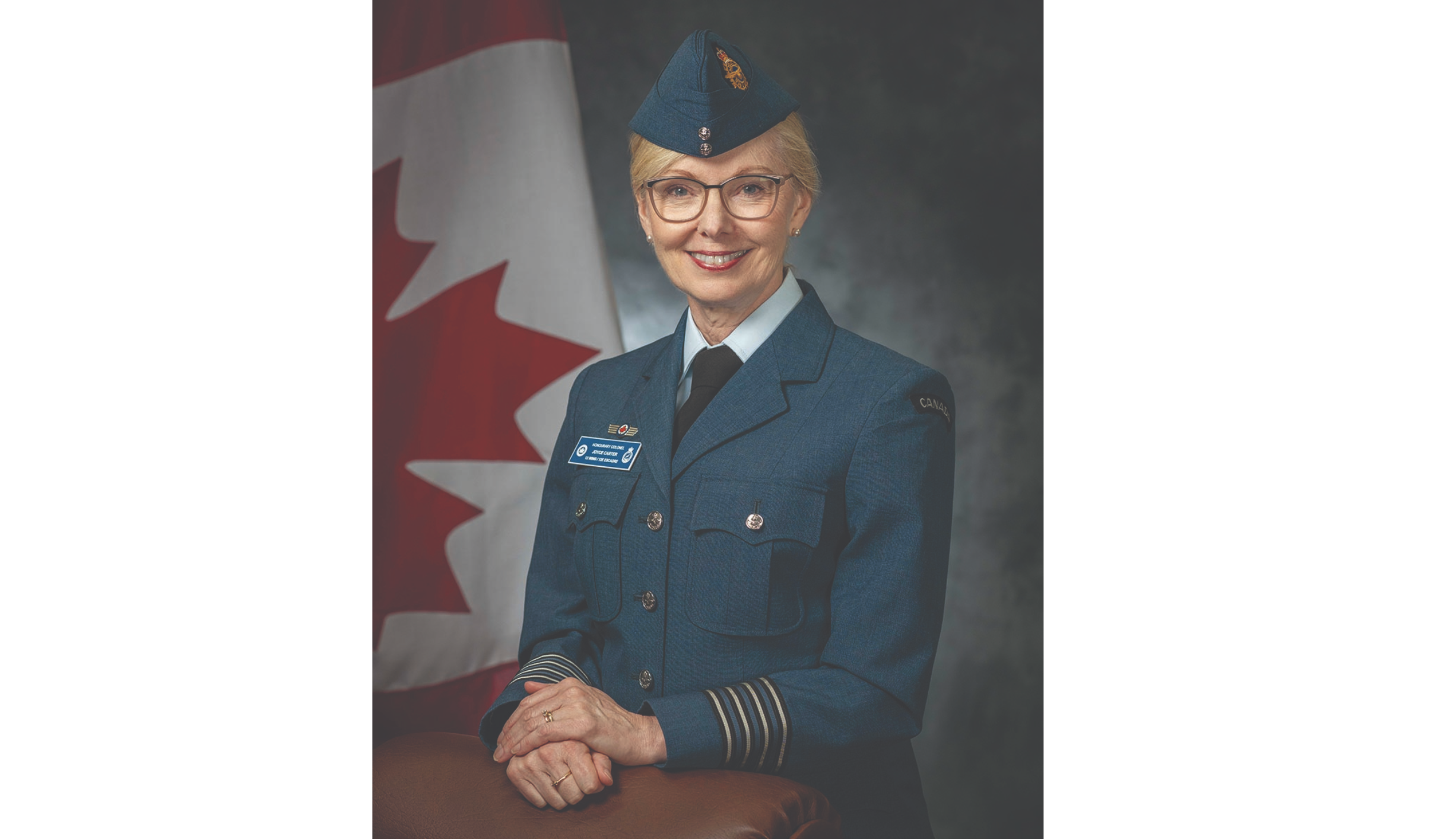
Honorary Colonel Joyce Carter, DCom (hc), FCPA, CPA, ICD.D 12 Wing Shearwater

Honorary Colonel Joyce Carter has spent her career at the intersection of aviation, public safety, and national service. As President and CEO of the Halifax International Airport Authority (HIAA), she became the first woman to lead Atlantic Canada’s largest airport, guiding a critical transportation and security hub that supports both civilian and military operations.

Her selection as a Top Women in Defence reflects not only executive leadership in aviation but her growing role connecting the Royal Canadian Air Force (RCAF) to the broader Canadian community. A lifelong Nova Scotian, Carter grew up in a family shaped by military service, and that connection continued through her spouse’s 25-year RCMP career, including peacekeeping service in Haiti. Aviation safety and defence readiness therefore became more than professional responsibilities; they were part of her personal identity. One defining moment occurred on September 11, 2001. Working in Halifax Stanfield’s Emergency Operations Centre, Carter helped coordinate the reception of 40 diverted wide-body aircraft and approximately 7,000 stranded passengers.

The experience reinforced the importance of preparedness, interagency coordination, and calm leadership under pressure, principles that would guide her later executive career. As CEO, Carter modernized the airport’s approach to security, infrastructure resilience, and emergency planning while strengthening partnerships with federal agencies and the Canadian Armed Forces. During the COVID-19 pandemic, she also served as Chair of the Canadian Airports Council (2020–2022), leading collaboration across the national airport system during one of the most disruptive crises in aviation history. In February 2024, she was appointed Honorary Colonel of 12 Wing Shearwater, a RCAF helicopter wing based in Nova Scotia.

In this role, she acts as an advisor, ambassador, and mentor to the Wing, strengthening ties between military personnel and the civilian community. Carter regularly participates in unit activities, supports morale and outreach initiatives, and uses her extensive leadership network to advocate for the people and families of the Wing.

The appointment formalized a relationship she had long cultivated between the aviation sector and the RCAF. A career highlight came in March 2025 when she delivered the keynote address at Maritime Forces Atlantic’s Women in Uniform Symposium, speaking on leadership in non-traditional professions and the responsibility senior leaders have to widen opportunity for others. Carter believes representation matters most when it becomes routine rather than exceptional. Throughout her career she has focused on building pathways, whether advancing women in aviation leadership or strengthening civilian-military partnerships, so that progress endures beyond individual careers. Looking ahead, she continues guiding Halifax Stanfield’s long-term expansion while supporting 12 Wing Shearwater’s personnel and community engagement efforts. Carter was nominated by Major (Retired) Eva Martinez, Esprit de Corps Women in Defence Award recipient (2016).

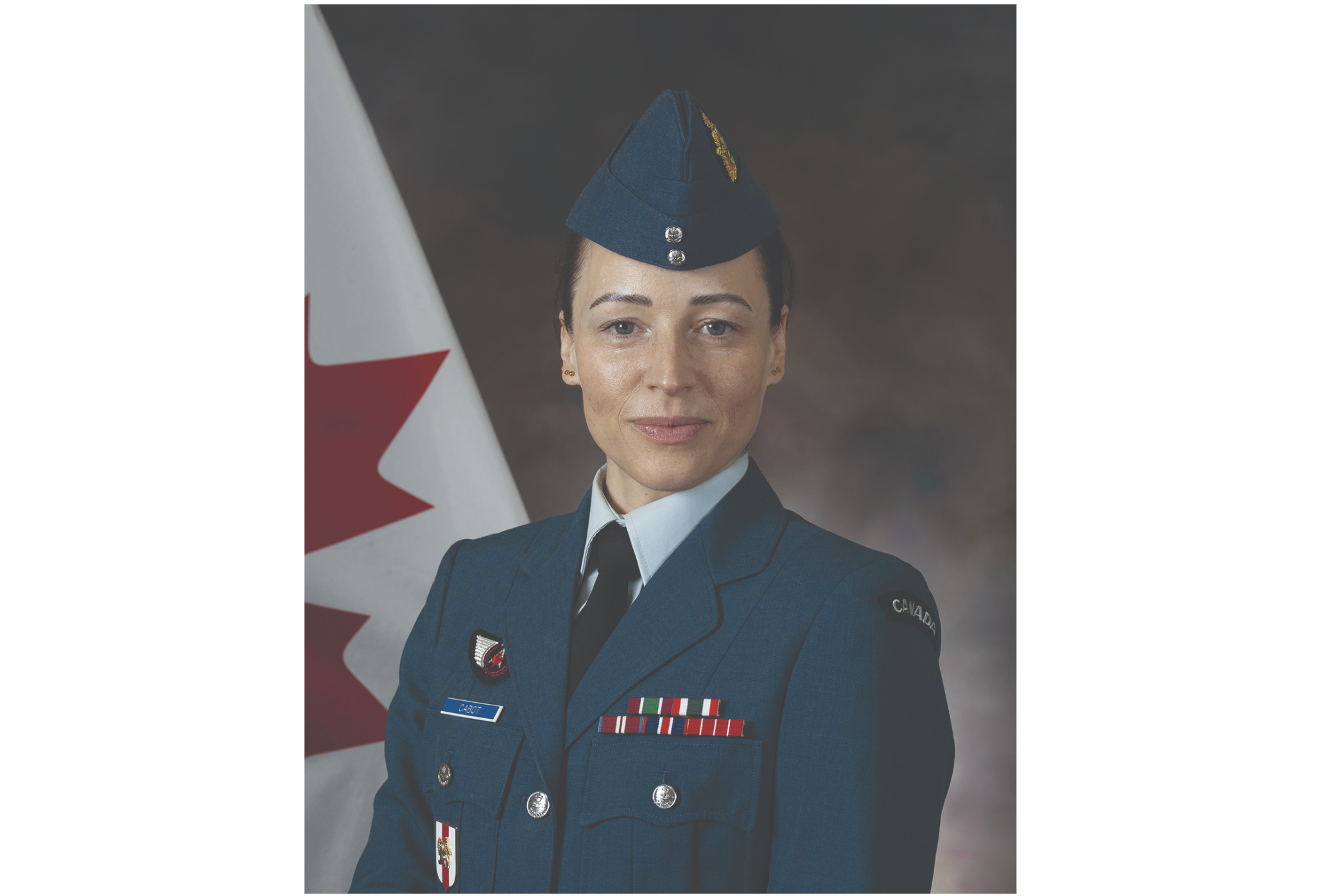
Major Catherine Cabot, CD, DBA, MPA, PMP Aerospace Engineering Officer, Royal Canadian Air Force

Major Catherine Cabot is currently a student on the Joint Command and Staff Programme at the Canadian Forces College in Toronto, where she is completing a Master of Defence Studies. Raised in an Air Force family, with her father, brother, uncle, and aunt all serving in the Royal Canadian Air Force, Cabot saw military service not only as tradition but as a profession that demanded continuous learning and accountability. Cabot joined the Canadian Armed Forces (CAF) shortly after university without a fixed long-term plan, choosing instead to build experience deliberately. Early in her career, she sought varied postings and leadership responsibilities, developing a reputation for reliability and adaptability.

Over time this approach evolved into a pattern: accept unfamiliar challenges first, then build expertise through practice rather than specialization alone. As Deputy Commanding Officer of 3 Air Maintenance Squadron at CFB Bagotville, Cabot oversaw more than 150 personnel responsible for maintaining CF-18 airworthiness during periods of personnel shortages and fleet aging pressures, directly supporting Canada’s NORAD and NATO commitments. The role required balancing technical risk, operational readiness, and personnel management, reinforcing her focus on practical leadership over positional authority. Among her most visible assignments was her two-year appointment as Senior Aide-de-camp to the Governor General of Canada. In that capacity she supported national ceremonies and engagements focused on mental health and reconciliation with Indigenous Peoples.

She also served as Equerry to His Majesty King Charles III during his visit to Canada for the Speech from the Throne, an experience that highlighted the intersection of military professionalism and national institutions. Her most personally significant experience, however, occurred during Operation REASSURANCE in Romania in 2022. While deployed, Cabot partnered with a local organization working to prevent child trafficking, mentoring young girls and providing a visible example of women in military leadership roles.

The experience reinforced for her that operational deployments influence communities beyond their immediate military objectives. Cabot acknowledges that women in operational environments often feel pressure to demonstrate competence quickly in order to establish credibility. Rather than confronting the dynamic directly, she focuses on consistency and mentorship, helping normalize women’s presence in technical and leadership roles through performance and support to junior members. Her advice to young women entering the profession reflects that perspective: bring your full identity to the role and contribute ideas rather than adapting silently.

Confidence, she emphasizes, grows from preparation and participation rather than seniority. Looking ahead to 2026, Cabot serves as the military co-founder on the board of the newly formalized not-for-profit Canadian Women in Aviation (CWIA) organization and is helping prepare its Montreal conference, scheduled for May 11–14, 2026, continuing her commitment to encouraging women to pursue careers in aviation across both military and civilian sectors. Cabot was nominated by Mr. Neil Rodriguez.

The Honorable Bev Busson, C.M., COM, O.B.C., LLB Senator and RCMP Commissioner (Retired)

Few Canadians have crossed as many institutional thresholds in public service as The Honourable Bev Busson. Rising from front-line policing to the Canadian Senate, she built a career defined by leadership, credibility, and steady cultural change within national institutions. Her selection as a Top Women in Defence reflects two historic milestones: becoming the first woman RCMP Commissioner and the first woman veteran of the RCMP to become a Senator. 

Busson joined the RCMP in 1974 as part of the first troop of women recruits. At the time, integration remained uncertain and infrastructure had not yet adapted. Uniforms did not fit, facilities were limited, and expectations were cautious. Rather than confronting resistance directly, she focused on professional competence, building trust case by case within investigative teams.

Her early investigative work in drug enforcement and major crime established a reputation for reliability under pressure. Encouraged by mentors, she pursued legal education that strengthened her operational and leadership capacity. Over the following decades she served across Canada, eventually becoming the Commanding Officer of both Saskatchewan and British Columbia divisions. In 2006, she became the 21st Commissioner of the RCMP, the first woman to lead the national police service.

As Commissioner, Busson emphasized people-centred leadership during a period of institutional strain and modernization.
She consistently reinforced that leadership exists to support those on the front line, not the reverse. Her widely repeated principle: “no one cares how much you know until they know how much you care,” shaped an approach grounded in respect, accountability, and operational practicality.

Among her most meaningful experiences was representing Canada at the re-dedication of the Vimy Ridge Monument, standing alongside serving members, veterans, and citizens, underscoring for her the continuity of service across generations and institutions.
Appointed to the Senate in 2018, Busson continued advocating for those in uniform and for institutional effectiveness in public safety organizations. She testified at the Standing Committee on Veterans Affairs study on women veterans that led to the report Invisible No More. The Experiences of Canadian Women Veterans and its 42 recommendations.

Across both federal policing and legislative roles, Busson’s impact lies less in singular decisions than in normalization, demonstrating over time that leadership credibility rests on judgment and integrity rather than gender.

As she approaches the conclusion of her Senate term in the summer of 2026, she looks forward to supporting the RCMP Veterans Association and the RCMP Veteran Women’s Council (RCMPVWC), continuing her commitment to those who served.

Busson was nominated by Lieutenant-Colonel (Retired) Karen McCrimmon, Esprit de Corps Women in Defence Award recipient (2017).